
What Are the Best Options for Lifting Bundles?
Is it time for your organization to invest in an engineered bundle lifting solution? We cover the benefits of making that purchase, along with covering the most popular options out on the market.
Transcript
Intro
– If you work in the construction industry, if you’re an iron worker, if you manufacture metal bar or pipes, load or offload ships, trains or containers, if you work with lumber, then you are probably familiar with rigging and lifting bundles. Most are probably using slings, be it chain, synthetic or wire rope. But what are some of the other options out there? How can your bundle lifting process be made more efficient to increase productivity and ultimately save money?
Understanding Bundle Lifting Options for Safety and Efficiency
– There’s a lot of different type of bundles out there and out of a lot of different types of materials. It could be a wood bundle, it could be a steel bundle, it could be a bundle of round bar, it could be a bundle of rails, it could be a bundle of plastic piping, it could be a bundle of pipe, it could be rebar, it could be round bar, it could be any type of a rolling mill. There’s a lot of different types of bundles and industries out there that handle bundles.
Traditionally, we see bundles being lifted with cranes and rigging. And when I say rigging, it’s typically a wire rope sling or a chain sling that is being choked around the bundle to pick it up and move it and place it to where it needs to be.
How to Use Slings, Chains, and Ropes for Bundle Lifting
Synthetic, wire rope, chain, each one of those will have its advantage and each one of those is going to have its disadvantage when picking up bundles. For instance, a synthetic sling that’s going to be very lightweight, easy to kind of fish through a bundle. Could be great for any type of a bundle that has rounded edges, but as soon as you start using a synthetic sling around a bundle that might have corners or sharp edges, you really start running the risk of cutting that sling.
A wire rope sling on the other hand, not going to be as lightweight and easy to handle as a synthetic sling, but again, you can run that through really anything with rounded edges. But again, if you start running it over sharp edges, you could start cutting strands of that wire rope and running into issues there.
You can use chain slings, you know, you can choke chain slings, very common in the industry. A downside to using the chain slings is they’re very heavy. They’re not as rigid as say a wire rope sling or even a thicker synthetic sling’s going to be. So trying to kind of fish that through and underneath a load is going to be very challenging.
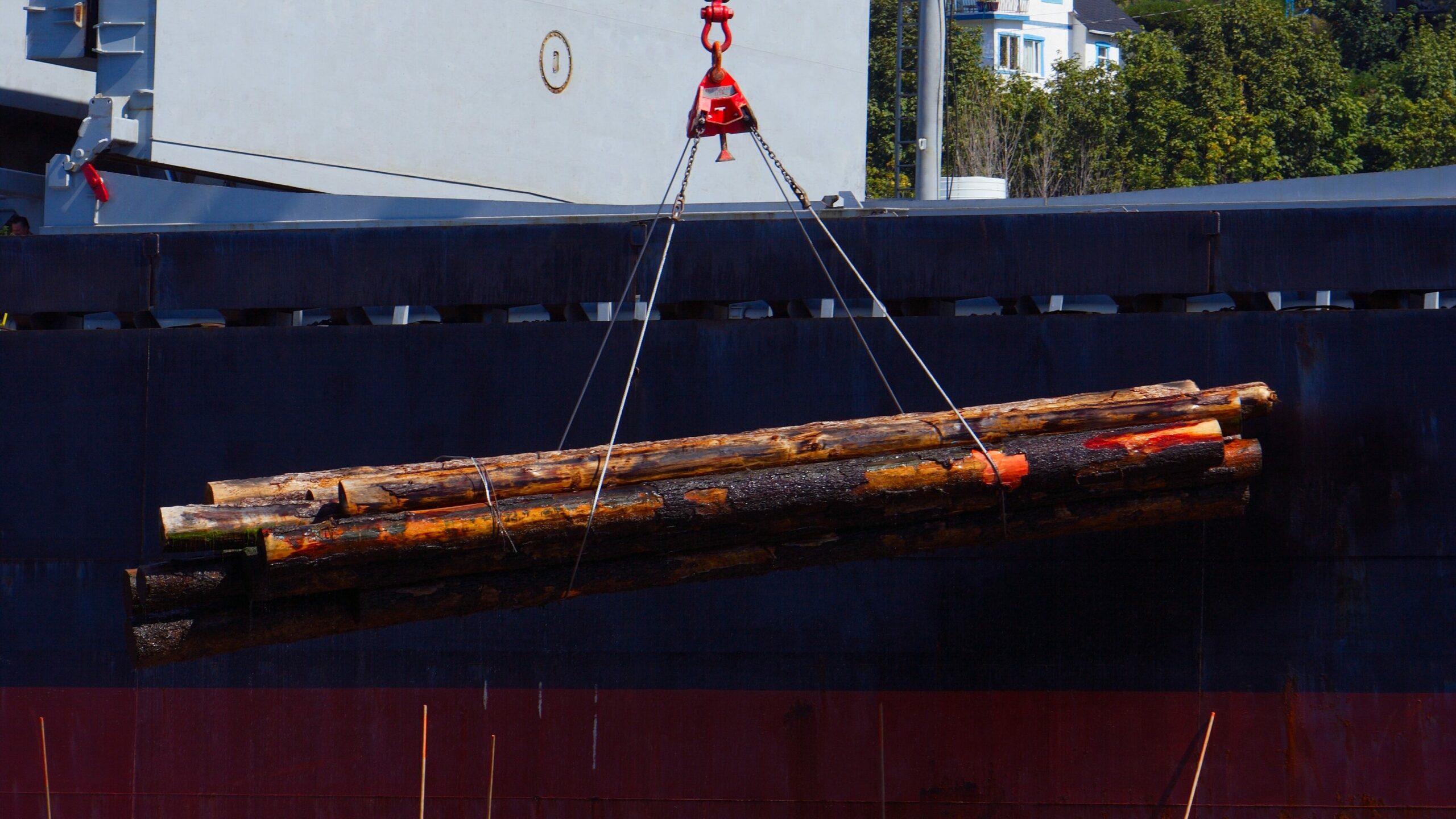
Lifting bundles with slings, it’s a very standard practice out there. However, it can be a little bit of a dangerous practice simply because if the bundle is too long for the span of the sling, that the sling can reach, you really start to get some sag in your bundle. If it’s sagging in a happy face, you could really run the risk of dropping the bundle, having the bundle kind of fall out of a choke.
If it’s, you know, in a frowny face, again, you could run the risk of damaging your material.
You know, the scariest thing I’ve seen is somebody using hooks to pick up a bundle on the banding of the bundle and banding has no rating for lifting whatsoever. You’re not supposed to use, you know, steel banding or plastic banding as a lift point because that is not rated for any type of a holding capacity whatsoever.
Advanced Bundle Lifting Solutions: Beams, Tongs, and Automation
There’s a lot of different ways you can lift bundles. There’s bundle lifting beams, which again, will be used in conjunction with a different type of a sling, but it’s going to give you spans across larger bundles to be able to basket underneath of.
There’s bundle lifting tongs, which is a device, like a clam type device that’ll come in and kind of grab that bundle automatically.
And then there’s some even inventive type lifting devices out there that have feet that you’ll go down around the bundle and the feet will close underneath of the bundle to allow you to pick up that bundle safely without even having to have a person involved. Some of these devices can be engineered, so if you need to cut the bundles, you can pick it up and then cut the bundle while it’s inside of the device, so it’s a little more controlled of a bundle cut and then go set that cut bundle into the machine or wherever it needs to go as well. For bundles using that type of a lifter, they will need to be elevated off of the ground, whereas a lifting tong can pick a round bar bundle or a square bundle directly sitting off of the ground. But you would run into issues if you have multiple bundles kind of next to each other for a tong to be able to come in and grab a specific bundle.
Magnets are a common device out there that’s used to pick up bundles, but you have to be very careful when using magnets and picking bundles because you are still relying on banding of a bundle to hold that bundle together when lifting.
Lifting bundles with a forklift, we can engineer like a lifting tong that has fork pockets on it to use, but you always have to consult your fork truck manufacturer to make sure you’re not lifting too much of a load on it and you’re not getting too long out there. A lot of times trying to drive around with a 10, 12, 15 foot bundle hanging off the front of a tow motor could be very challenging and pose some definite safety concerns as opposed to, you know, being able to use an overhead crane where you’ll have more control.
How to Choose the Best Bundle Lifting Equipment for Your Facility
Deciding what the best bundle lifting device for your application is takes into consideration a few things. How often are you lifting the bundles? What environment are you pulling the bundles from or out of? How much clearance do you have around the bundles? How rigid it is? What’s the length of the bundle going to be and what’s the diameter of the bundle going to be?
Probably the biggest mistake I see around people when they’re choosing a bundle lifting device is not taking into consideration how the bundle acts, how rigid that bundle is, or what that bundle does once you start getting it under a load.
If you’re doing something on a construction site where you might be moving a bundle here or there from time to time, using slings to pick it might be the simplest solution. Or using some type of a lifting beam or basket beam to have multiple slings basketing the bundle to help hold it more rigid could be another great option.
Going with an engineered lifting device for bundle lifting is a great idea. A lot of times we’re able to not only improve the safety side of bundle lifting, but to help with efficiencies. For an example, if you typically have to send somebody in to run a sling underneath of a bundle or fish a sling under a bundle, not only are you putting them, you know, potentially in an unsafe environment, but that’s taking time. Somebody has to go in there, fish the sling in to not only put the sling on, but then once you place it, that same person would need to go in to be able to remove the slings.
The types of operations we see that would best benefit from an engineer device when we’re talking about bundle lifting is going to be anything where they’re trying to remove employees or stop employees from having to physically touch things. Anybody with a red line initiative around touching. Places that you need to pick a bundle out of that might have light curtains that are going to stop full machines if somebody goes in there that you could put a device into there to grab it.
Case Study: How Advanced Lifting Devices Improve Efficiency
There was an application that we were able to really improve the bundle lifting a customer was doing. They had a light curtain set up, they needed to get into that light curtain to be able to hook up the bundles and the procedure they had every time they had to break a light curtain was about a two minute procedure. And once they got into that light curtain, then they had to start hooking up their slings to the bundles. And all in all to just move one bundle of steel, it was probably taking them a good 10 minutes by the time they moved it.
Then they would just move it down the line, which was about 40 feet down the line and they would have to go through the same process to get rid of the bundle They’d have to break the light curtain, which would stop the machine from running, go in, unhook all the rigging, cut the bundle. By the time it took them to pick up a bundle and set the bundle down, it was probably a good 20 minute process and procedure.
We were able to come up with a device that had motorized arms that would open. It would allow them to just fly over top of the light curtain, never having to break it, drop over to the bundle that they wanted, actuate the feet, so the feet came together to support the bundle underneath of it. Lift it out of the light curtain, get it into a safe area where they could just walk down the lifter, safely cut the straps on the bundles, and then take that device, lift it over the next light curtain, set it down, open the feet, and remove the device off of it and carry on their way.
We went from like a twenty minute procedure for loading a bundle down to five to ten minute procedure, so really we cut the time in half and totally took the the human out of it.
Custom Bundle Lifting Solutions from Mazzella: What You Need to Know
Mazzella is here to help you with any type of a bundle lifting application, whether it’s small, big, simple, as easy as slings all the way up to an engineered lifting device. We’re here to make sure your lifting bundles safely and efficiently.
Get Expert Help for Safe and Efficient Bundle Lifting
– Whatever option you land on to best safely move bundles on your site or in your facility, Mazzella has what you need. Feel free to contact us with any questions and to discuss the solution that would best suit your operation. Links below.
If you found this video useful, informative, entertaining, or you just feel like being friendly, then hit that like button so we can get this information out to everyone who needs it. Subscribe and hit the bell so you never miss a video. If you have a question, drop it in the comments so we can get you an answer. Remember, safe rigging is smart rigging. My name is Ben, stay safe out there.
Are you looking to improve bundle lifting at your job site, but don’t know what option is right for you?
Whether you work in construction, a lumber yard, or a warehouse, bundles are everywhere, and you need solutions to help you safely and efficiently lift them.
“Do I need a more customized, automated solution? What type of lifting sling should I use? Can I use a forklift to lift bundles instead of an overhead crane?”
Our Below-The-Hook lifting experts get asked these questions constantly, and we want to help you stay informed during your research process. This article will cover all the options for lifting bundles. We will answer several key questions, including:
What Industries Lift Bundles?
As we discussed in our basket lifting beam article, bundles are a part of everyday operations for a variety of industries.
Construction workers constantly move plastic or metal piping on a site. Lumber yards need to move bundles of lumber onto a delivery truck. Steel mill workers need to safely move steel beams and rods onto a loading dock. Ports and shipyards have to move metal beams and heavy cargo (rods and rebars) on and off ships.
There’s no shortage of examples, and regardless of the industry, workers run into the same issues: They aren’t lifting bundles safely or fast enough.
What Lifting Sling Should You Use to Lift Bundles?
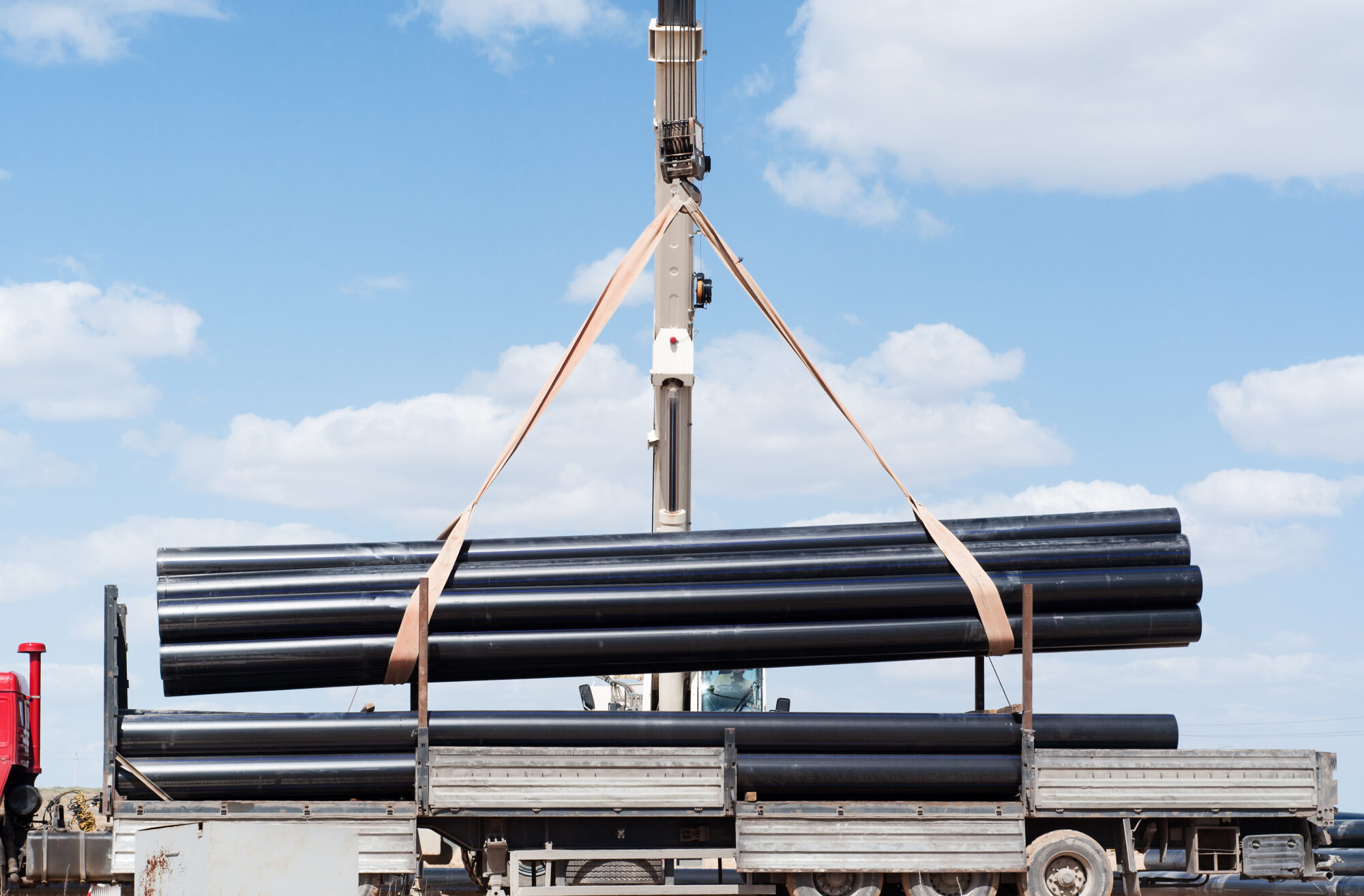
You can use many lifting slings to pick up bundles, with each having their benefits and drawbacks:
Synthetic Lifting Sling
The benefit of using a synthetic lifting sling is that it’s very lightweight and easy to fish through a bundle and get it in a choke configuration.
They are also great for any bundle with rounded options. But if you use synthetic slings, you start running the risk of cutting that sling on sharp corners or edges.
Wire Rope Lifting Slings
On the other hand, wire rope slings are a bit heavier than a synthetic sling, but they will offer you enhanced endurance. Plus, they’re much lighter and easier to move around compared to a chain.
And even though they’re more durable than a synthetic sling, you can still cut strands of the wire if you pick up a bundle with sharp edges.
Chain Lifting Slings
While you can use chain slings to lift bundles, they are very heavy and not easy to move around in your facility. Plus, it will be difficult to maneuver a chain sling underneath a bundle.
Keep in mind the environment you’re working in as well. While synthetic slings are versatile and affordable, they don’t do well in extreme heat environments, like a steel mill.
It’s also important to pair your lifting sling with a great below-the-hook lifting device. In some instances, you can use a below-the hook-device as an alternative.
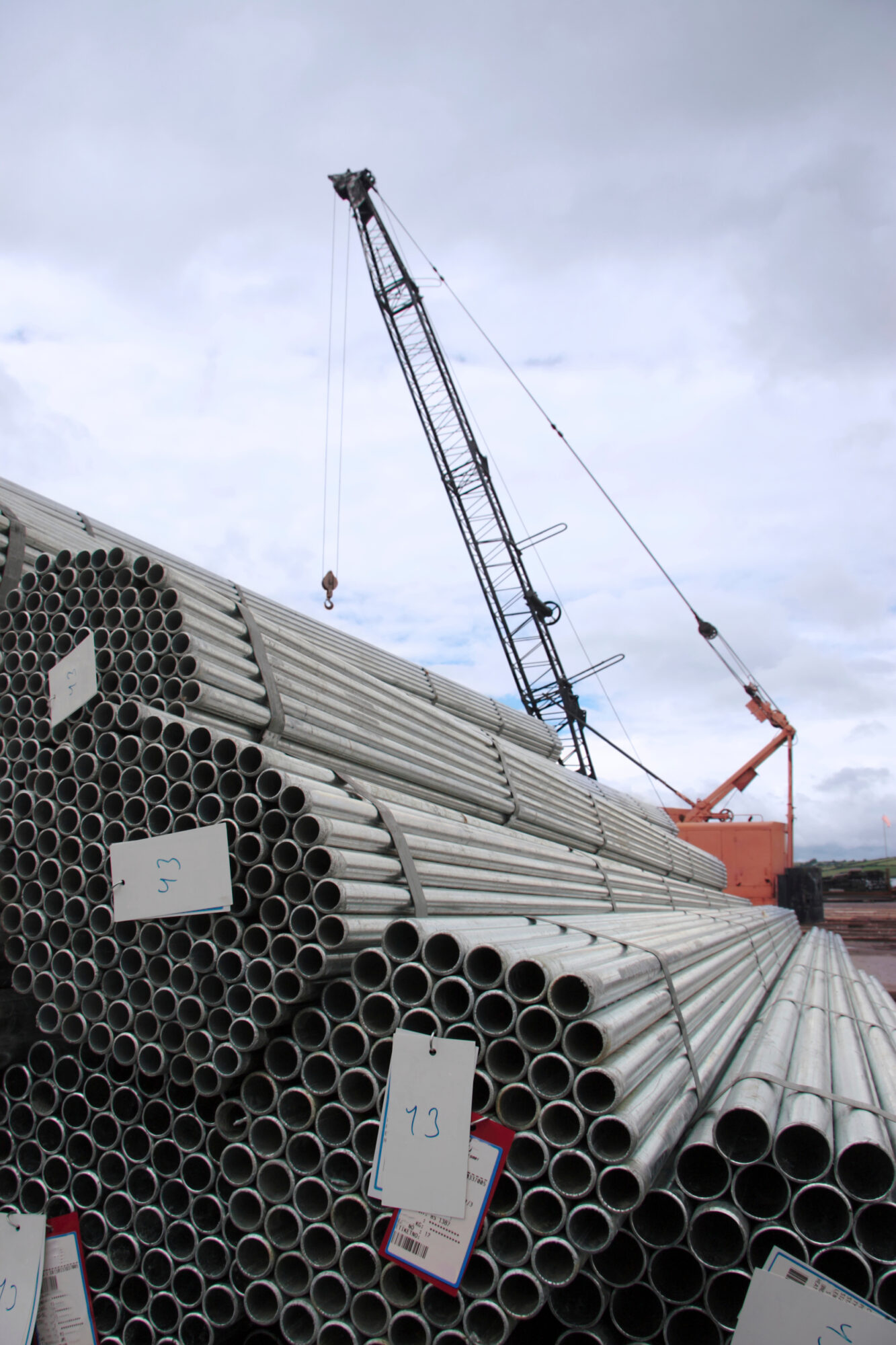
What Below-The-Hook Lifting Devices Lift Bundles?
There is no shortage of below-the-hook devices to help you lift bundles.
There are bundle lifting beams, which have hooks or lifting lug points underneath it to run a sling in a basket configuration underneath a bundle or a load. With a basket lifting beam, you can hook the eyes of a lifting sling to create a basket configuration around the load.
They are often paired with synthetic or twin path slings, but they can be paired with any sling that you can put into a basket configuration. Basket beams also help create more stable loads, increasing employee safety and reducing damage to your load.
Lifting tongs are designed to lift heavy, bulky objects and are commonly found in steel mills, logging and timber sites, chemical plants, and manufacturing facilities. Lifting tongs come in a variety of designs to fit specific industry applications, too. For example, there are certain models designed to pick up bundles of marble or stone slabs.
Can You Use Magnets to Lift Bundles?
Recently, magnets have become a popular option for lifting professionals. Not only do they enhance safety, but they also have great durability. Magnetic lifting devices are commonplace in steel processing plants and warehouses—picking up steel coils. But are they good for lifting bundles?
While the magnet might grab the top of the bundle, it’s not going to secure the entire bundle together. If you’re just using magnets with no help from lifting slings in a basket or choke configuration, it’s probably not the best option.
Can You Custom Engineer a Bundle Lifting Device?
Sometimes, lifting slings or other standard lifting devices are not going to be the most efficient or safest option. Thankfully, there are custom lifting devices available.
One example is having motorized arms that come underneath a bundle. Another example is designing lifting tongs to carry square-shaped bundles.
Not all applications require a custom bundle lifting solution, but in those applications that require or could benefit from one, Mazzella is able to look at your application and figure out what we feel would be the best option to make your operations more efficient and safer.
Can You Lift Bundles with Forklifts?
While you can lift bundles with a forklift, extra caution needs to be taken.
Custom add-ons to your forklift, like a forklift boom, go on the mast and essentially turn your forklift into a mobile crane. They are incredibly popular in warehouses and smaller, confined manufacturing facilities where lifting bundles isn’t a part of daily operations. They are also very popular when loading conex boxes.
While great in certain applications, lifting bundles with a forklift isn’t ideal. They lack mobility, have a lower lifting capacity, and you increase the chance of the forklift turning over if too much weight is applied.
Always reach out to your forklift manufacturer to ensure your forklift is large enough to handle the added weight of a forklift boom and lifting heavy bundles.
With an overhead crane, you will have more control over the bundles.
What Common Mistakes are Made When Lifting Bundles?
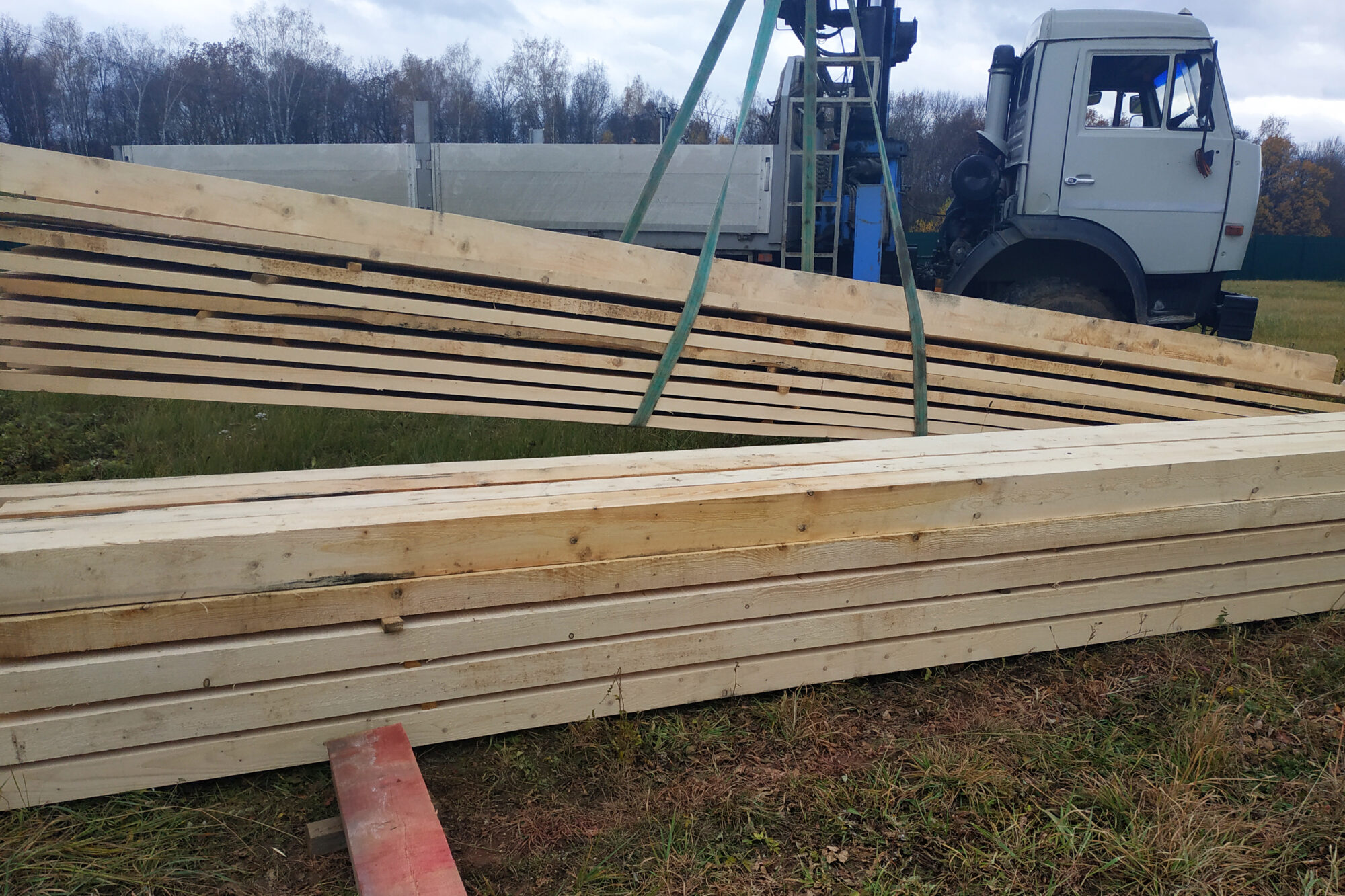
The biggest mistake people make when lifting bundles is not considering the product they are lifting and how it will react once underload.
Many people have the mindset of “I got a bundle to pick. Let’s just choke it and start lifting it across the facility.” They don’t consider how the bundle will react once it goes up in the air.
Here are some questions to consider before lifting a bundle:
- Have I accounted for the weight of the bundle?
- Are there sharp edges or corners?
- Do I have a clear landing space?
- Is the load properly secured?
If the bundle is too long for the sling’s reach, you’ll experience some sag in your bundle. Depending on the way that choke is sagging (either in happy face or frowny face configuration), you run the risk of dropping the bundle, bending the material, or having your slings running in together and damaging your load.
Another common mistake we see is people using hooks to pick up a bundle on the banding of the bundle. Banding—whether it’s steel or plastic—isn’t rated for any type of holding capacity.
What Bundle Lifting Option is Best for You?
Deciding what the best bundle lifting device for your application takes into consideration a few things:
- How often are you lifting the bundles?
- What environment are you pulling the bundles from or out of?
- How much clearance do you have around the bundles?
- What’s the length of the bundle?
- What’s the diameter of the bundle going to be?
Additionally, will you need extra customizations to fit your work environment?
On a construction site, where you might be moving a bundle only one or two times a day, the simplest solution—like using slings to choke the bundle—may be the best option.
If you’re in a high production, intense environment, and you don’t want workers manually putting heavy loads in a basket or choke configuration (no touch environments in steel mills as a great example), you may want to explore more automated offerings.
Why Should You Invest in an Engineered Bundle Lifting Solution?
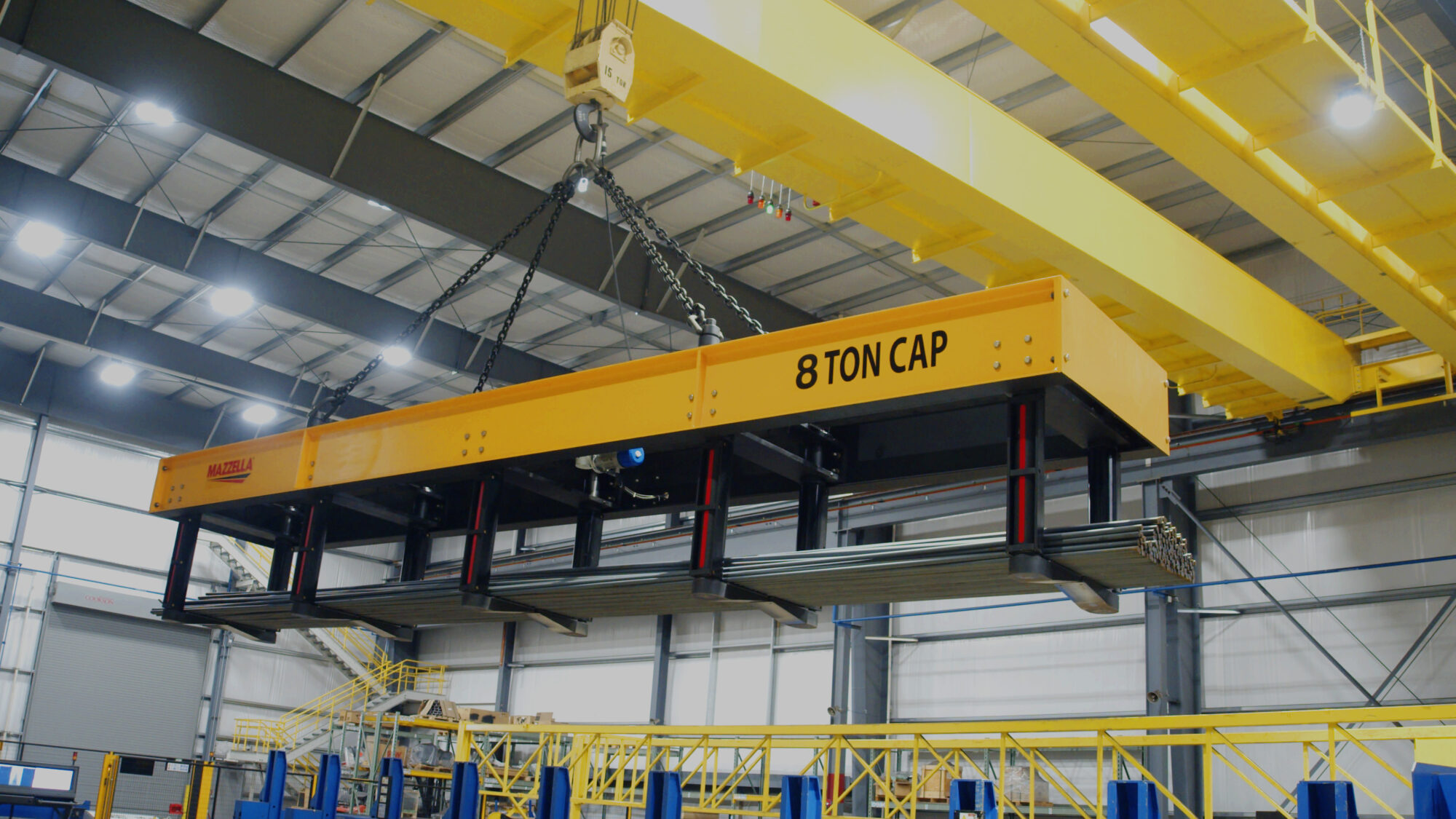
Going with an engineered lifting device for bundle lifting is a great idea. A lot of times, they’re able to not only improve the safety side of bundle lifting, but they’re also able to improve your organization’s efficiency rates.
For example, if you typically have to send somebody in to run a sling underneath a bundle, not only are you putting them in a potentially unsafe environment, but that takes up a lot of time.
Whereas if you had a custom engineered device that would automatically grab onto the bundle, you’re taking that person completely out of the equation—speeding up the time it takes for them to hook up bundles, as well as putting them out of harm’s way.
Want to Learn More About Lifting Bundles?
Investing in an engineered bundle lifting solution—whether it’s a basket beam, lifting tongs, or a custom engineered automated device—is a great way to improve employee safety and organizational productivity. But it’s also not easy to decide which option is right for you. We hope this article informed you about the different options out on the market.
Mazzella is here to help you with any type of bundle lifting application, from common lifting slings to an engineered lifting device. We’re here to make sure you’re lifting bundles safely and efficiently.
If you’re interested in a custom-engineered solution, download our Below-The-Hook-Lifting Devices Checklist and Design Sheet to learn more.
Copyright 2024. Mazzella.