What Are the Lifting and Rigging Needs for AI Data Center Construction?
The question you should be asking isn’t whether the data center construction boom demands a whole new category of rigging. It’s how contractors can connect familiar rigging equipment and practices to the demands of such a large, fast-paced project.
Key Takeaways
- AI data center construction relies on familiar lifting and rigging equipment—not a whole new category of gear—but the pace and scale make early planning essential.
- Heavy lifts include generators, transformers, chillers, structural steel, and prefabricated modules. Each load and lift configuration determines the right slings, shackles, hoists, and below-the-hook lifting devices.
- Developing a lift plan before ordering rigging equipment helps contractors identify specialized hardware, account for long lead times, and avoid last-minute work stoppages. The contractor’s qualified personnel remain responsible for that plan.
- Rigging inspections and documentation need to address applicable OSHA requirements, ASME standards, and general contractor expectations. High-use equipment may need more frequent inspections than an annual schedule provides.
- A rigging supplier’s local inventory, replacement equipment availability, and responsiveness can help keep data center construction schedules on track when gear is damaged, missing, or needed urgently.
- Domestic product preferences and site-specific procedures should be confirmed early. The right lifting and rigging partner can help source equipment, coordinate inspection services, and support contractors across multiple job sites.
Estimated reading time: 11 minutes
Introduction
The dawn of AI data center construction has been a hot-button issue over the past few years, forcing contractors to rethink how they approach bidding, build timelines, and even general operations. The industrial implications of these massive warehouse-style buildings, even from the limited knowledge we have to this point, are huge. So how has the lifting and rigging industry adapted to such a new, uncharted client type?
Surprisingly enough, not as much as you might think.
Many data center construction lifts rely on familiar equipment used across heavy construction, using it to position modular sections and move large equipment. As striking as the scale of the project might be, the basic rigging needs are quite recognizable.
With that said, your hardware needs to be specific to the load and lift type, and the right gear needs to be available at the moment the job calls for it. Data center builds can also bring their own challenges, such as specialized lifting setups, domestic product preferences, and last-minute needs that put pressure on crews, timelines, and overall operation.
The question you should be asking isn’t whether the data center construction boom demands a whole new category of rigging. It’s how contractors can connect familiar rigging equipment and practices to the demands of such a large, fast-paced project.
Table of Contents
- What Does AI Data Center Construction Actually Involve?
- What Gets Lifted During a Data Center Project?
- What Rigging Products do Data Center Builds Use?
- What Types of Cranes are Used in Data Center Builds?
- What Circumstances Commonly Disrupt Lift Plans in Data Center Builds?
- What do Data Center Inspection Requirements Look Like?
- What Questions Should You Ask Before You Lift?
- What Should You Look for in a Rigging Supplier?
- Wrapping It Up
What Does AI Data Center Construction Actually Involve?
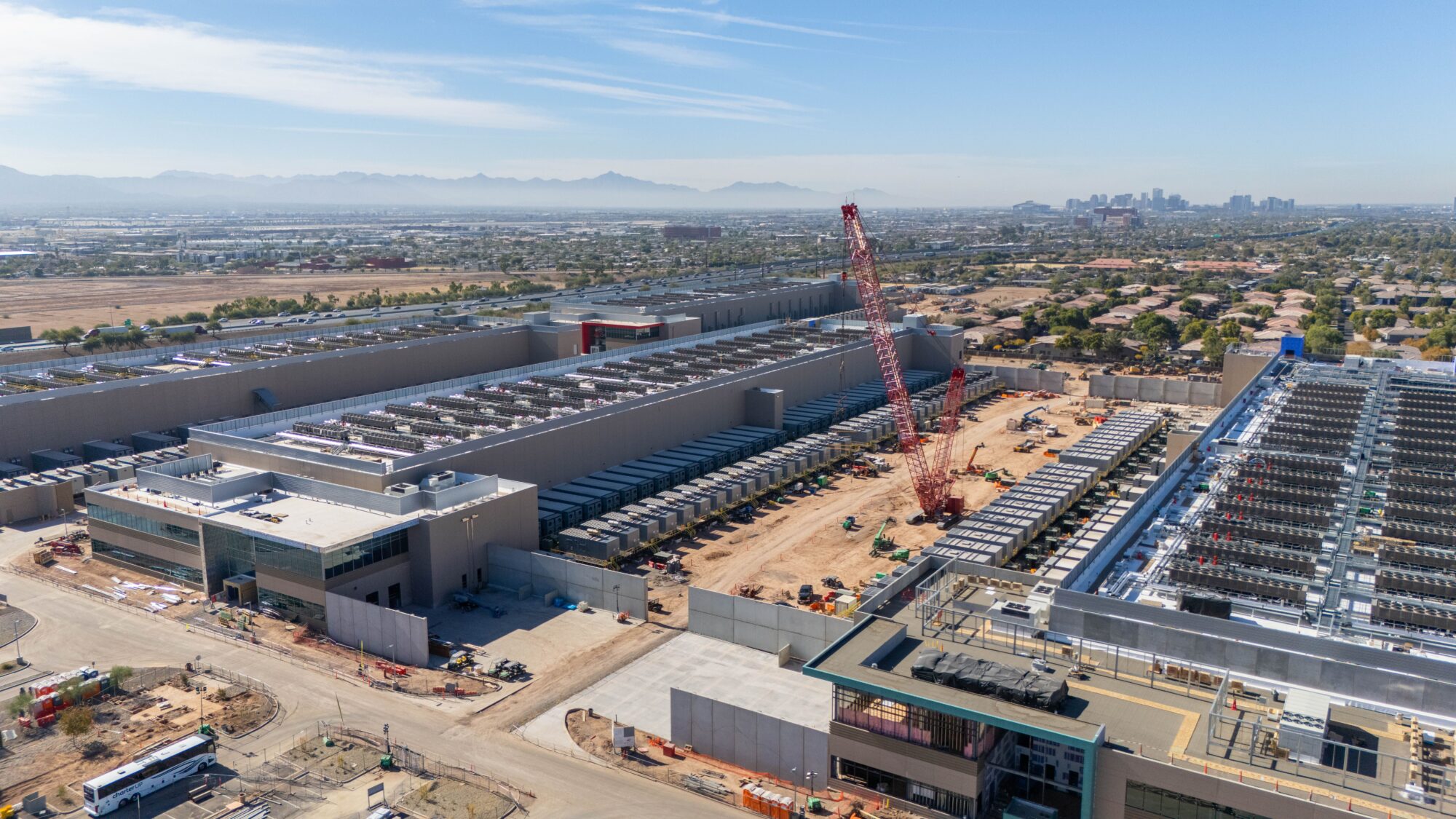
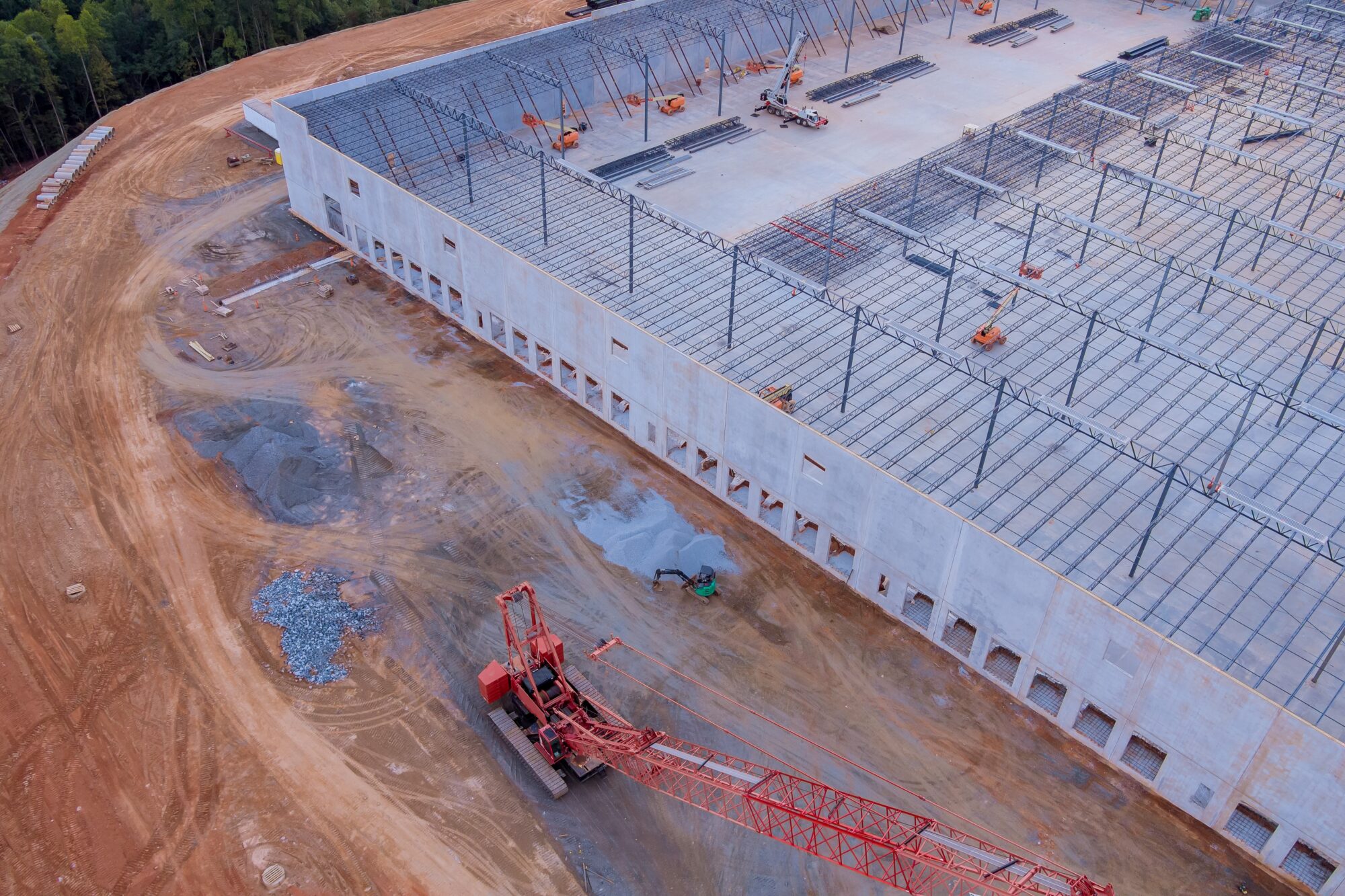
The basic construction components of these large-footprint facilities are fairly simple. You’ve got thick, solid concrete slab flooring for extreme weight-bearing, pre-cast concrete tilt-up walls for speed and cost efficiency, and heavy structural steel roofing with high-performance roof coverings for two-way defense.
Within the data centers are largely modular components, with parts fabricated off-site and set in place module-by-module. Those modules can vary in functionality:
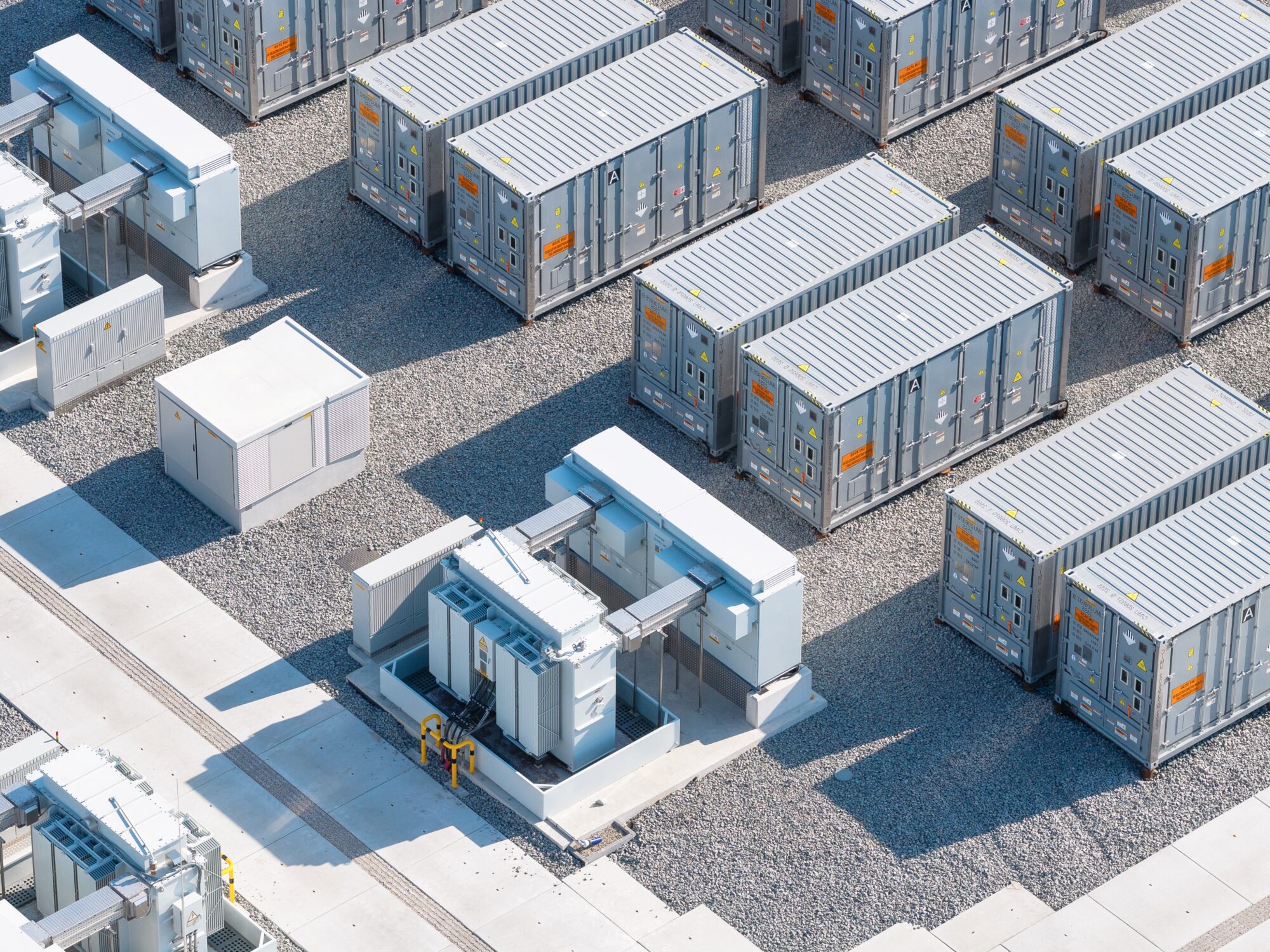
- Power and electrical modules: Take in utility power, regulate voltage, and deliver continuous, high-efficiency electricity and backup power to satisfy the extreme power demands of the data center.
- Cooling and thermal modules: Manage the intense heat generated by high-density processors using fluid dynamics, heat exchangers, and precise coolant distribution networks.
- Compute and white space modules: Provide the structural framing and physical containment required to house, secure, and power GPU and TPU servers.
- Networking and interconnect modules: Route large volumes of data at high speeds to link thousands of processors together as a single system.
- Management and software modules: Monitor physical infrastructure metrics and manage software workloads to ensure efficiency and systemic health.
Beyond the data center, other industries work adjacently both during the build process and after completion, such as power plants and water treatment facilities.
When you’re planning a lift for one of these vast facilities, you’ll want to assemble a sound lift plan. That means evaluating the load, the equipment you need, and the environment you’re in before every single lift, and when you’re handling things like 100,000-pound generators, it’s that much more important to be prepared.
What Gets Lifted During a Data Center Project?
Like any type of large industrial construction job, data centers have major work areas that, save for a few outliers, are generally consistent across the board:
- The building and its structure: tilt-wall construction, structural steel, precast concrete, and roofing materials
- Mechanical and cooling equipment: chillers, fan units, and large cooling devices
- Electrical and power equipment: generators and transformers, equipment connected to on-site power generation where applicable
- Other modular components: units fabricated or assembled off-site and then transported to the facility to be implemented
- Adjacent projects with their own lifting and rigging needs: power plants, water treatment, and other supporting infrastructure
What Rigging Products do Data Center Builds Use?
Data center lifting needs are generally the same as most other industrial construction jobs. In fact, many often say they’re simpler due to their lack of specialized equipment that’s brought in and the warehouse-style architecture. Most lifts only require some of the more common rigging products like slings and multi-leg assemblies, shackles, hooks, and hoists.
With that being said, some builds will occasionally demand project-dependent products like spreader beams, skates, dollies, or other below-the-hook devices.
Though the basic lifting and rigging equipment mix may be familiar, contractors shouldn’t assume that every build will be the same—each individual load and lift will inform your hardware decisions.
What Types of Cranes are Used in Data Center Builds?
Most of the lifting is done with mobile cranes provided by crane rental companies. As we’ve covered, data center construction follows a set-the-module, set-the-next-module rhythm. That work is largely handled by high-capacity crawler cranes for heavy generators and chillers, rough terrain cranes and tower cranes during the building construction phase, and portable gantry cranes for the occasional indoor lift.
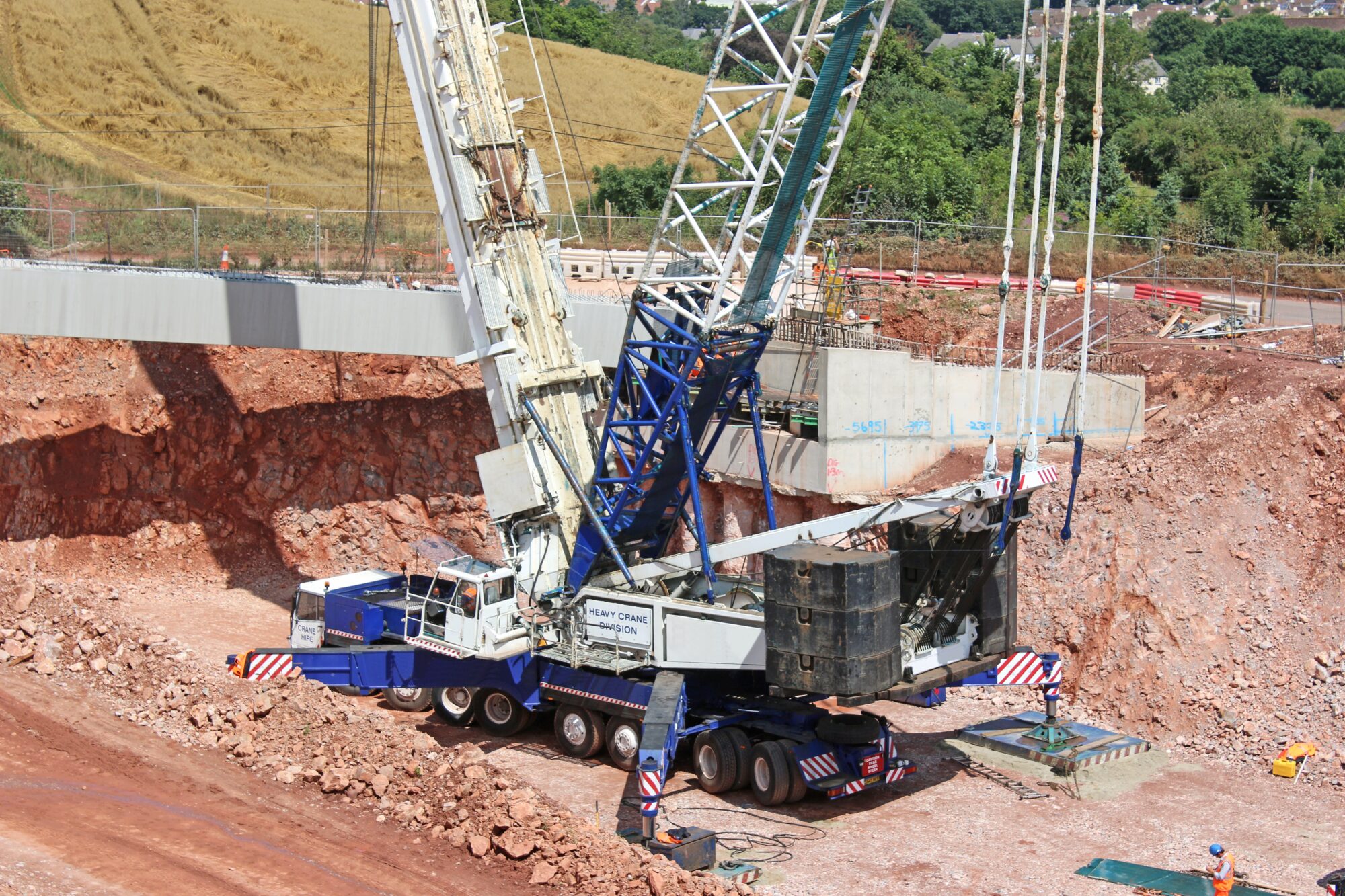
Once the data center is complete, lifting needs are nearly non-existent, which eliminates the demand for permanent and semi-permanent overhead cranes. These cranes are typically associated with long-term industrial operations such as steel mills, power plants, and manufacturing floors.
What Circumstances Commonly Disrupt Lift Plans in Data Center Builds?
Like many other trades within the scope of industrial construction, these lift plans are subject to a handful of variables, including hardware availability, operator/technician schedules, and clear specifications at each step. Disruptions can surface at any point in the build:
Late or changing requirements
Contractors will often develop full lift plans in advance, but urgent requests will arise once work is underway. In the event that a contractor doesn’t create a lift plan ahead of time, delays are even more common.
Availability and delivery timing
Missing equipment holds up work, and these jobs are all about getting the job done fast. Local availability and responsive communication are extremely valuable in this market.
Domestic product preference
Many customers in the space prefer to use American-made products. Though it’s not a definitive requirement, access to domestically fabricated rigging hardware resonates well with clients in this space.
Site-specific procedures
Some facilities might be government-funded or otherwise restricted to the public, bringing with them any number of additional rules.
Unclear roles and limits
Suppliers like Mazzella can help identify needs and provide equipment, but the contractor’s qualified personnel or the general contractor remain responsible for generating the actual lift plan. Reaching out to a supplier without a plan in place can create avoidable work stoppages and downtime.
What do Data Center Inspection Requirements Look Like?
Before pulling the trigger on your lift plan, you need to understand the inspection requirements of the necessary rigging hardware. Ensuring the integrity and efficiency of your gear is critical to limiting costly downtime, eliminating safety hazards, and complying with OSHA and ASME standards.
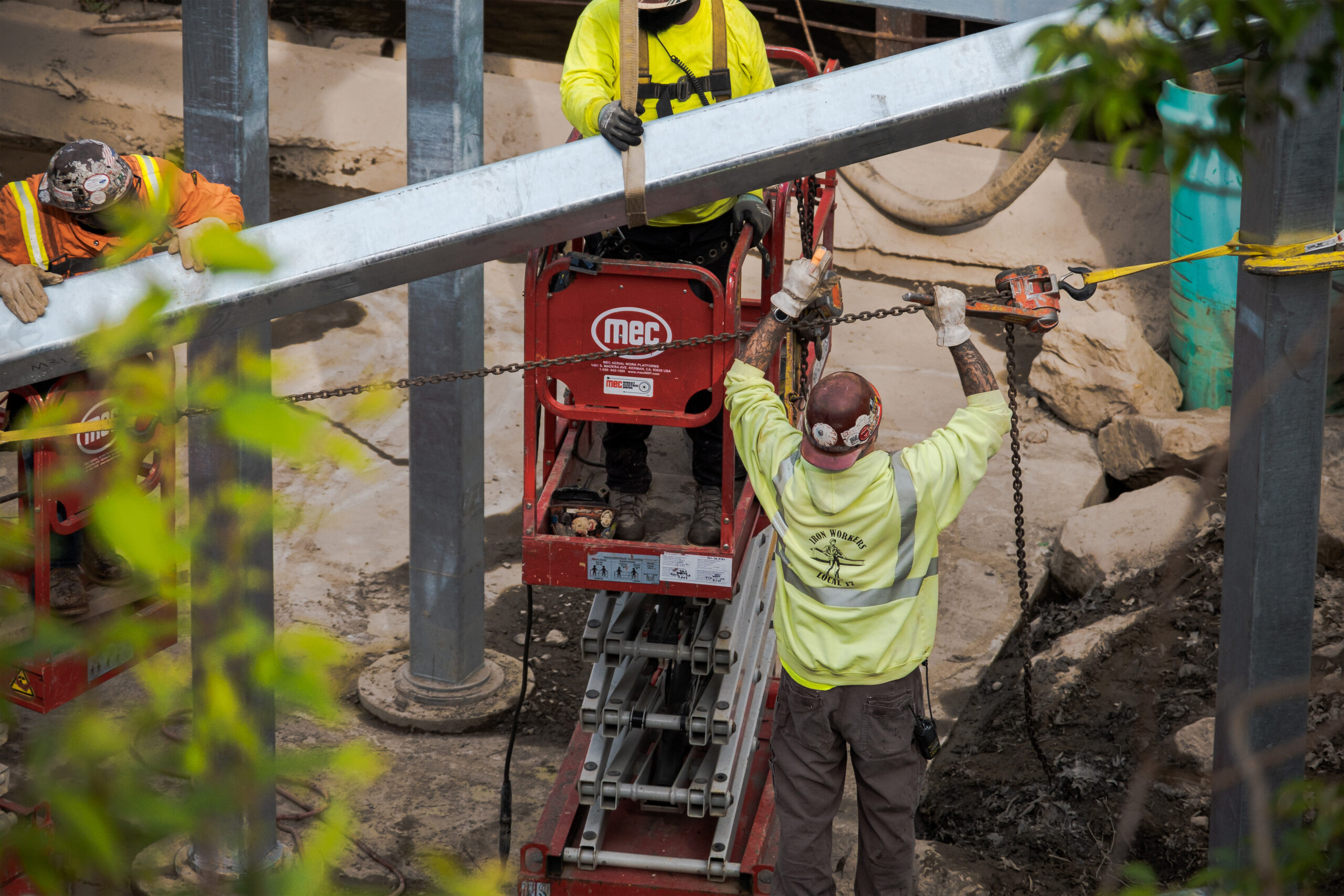
These become a two-pronged effort, where you’ll need to understand the expectations of both the general contractor along with those outlined by OSHA and ASME standards. Mazzella offers experienced and reliable rigging inspection services, including multi-location inspection programs for contractors working in more than one location, where all jobs are managed under one account.
No matter the size or scope of your project, safety and compliance have to take priority at every step of the build process. This is no different with data center projects—if anything, compliance is that much more important due to their fast-paced nature.
What Questions Should You Ask Before You Lift?
Is there a lift plan in place?
Though requirements vary by general contractors, a lift plan is advantageous to all lifts in a data center build. With multi-ton lifts taking place daily, your gear is highly dependent on your plan—a late plan means late equipment orders, which increases downtime risk.
What are the inspection and documentation expectations?
Many data center builds require accurate and up-to-date inspection records. Be sure to ask what the general contractor expects, who keeps the records, and how often gear needs to be checked. Keep in mind that heavy, high-use rigging can wear out faster than an annual inspection cycle assumes.
Which items have long lead times?
Most standard rigging equipment is easy to find. Specialty, large-sized, or otherwise custom hardware may require some extra time to fabricate or deliver. Identify those items from the lift plan early and order them accordingly.
What do you do if gear fails or goes missing mid-project?
Rigging hardware gets damaged, retired, or misplaced, and schedules shift regularly. A late sling order can hold up production for your crew. Be sure to partner with a supplier who maintains a large inventory or can locate and deliver replacements quickly.
Where is the nearest branch or stocking location?
Supplier proximity can determine whether a missing item costs you an hour or a day. Check how close local stock is, what’s carried there, and how you can source products when the local branch doesn’t have the solution you need.
What Should You Look for in a Rigging Supplier?
As you consider rigging suppliers for a data center build, you’ll need to consider a few factors that may impact efficiency:
- Locality: Same-day availability can be the difference between prolonged downtime and seamless maintenance. Mazzella has over 40 locations across the US, with stock, inspections, and service available at a moment’s notice and backup options as needed.
- Wide product mix: Depending on the lift environment, you never know what kinds of rigging hardware you might need. Mazzella Lifting Centers carry all standard rigging solutions, and many are equipped with custom rigging fabrication capabilities.
- Domestic products: Though many international brands are highly trusted in the lifting and rigging industry, domestic products are strongly sought after in most areas of construction, with many data center projects deeming them a requirement. Mazzella carries a strong domestic lineup, including trusted names like Crosby, Harrington, Slingmax, Caldwell, and more.
- Responsiveness: You’ll need fast quote turnaround and access to experts who answer the phone. Mazzella’s account managers are knowledgeable and responsive, ready to assist in any way they can.
Wrapping It Up
Data center builds are only getting more and more common and knowing how to handle your rigging needs ahead of time is a huge advantage. The basics of construction apply—the gear is familiar, the lifts are heavy, and planning is essential. What makes these projects different is the pace, scale, and demand.
Success comes down to early decisions on lift plans, inspection and documentation, and supplier access and reliability.
Mazzella is equipped to supply reliable equipment, thorough inspections, and speedy local support behind your lifts. If you’re ready to get your project moving, contact your nearest Mazzella Lifting Center or browse our lifting and rigging solutions to get ahead of your rigging needs for data center construction.