
How to Choose the Right Crane Block for Your Lift
This article will tell you everything you need to know to purchase the right crane block for your next project.
Every rigger trusts that their equipment can handle the load, perform as expected, and keep them safe. The crane block is one of the most critical pieces in that system, yet it’s also one of the most misunderstood.
Pick the wrong block, and you risk premature rope wear, bent sheaves, decreased lifting capacity, or even catastrophic equipment failure. With dozens of capacities, configurations, and certification requirements on the market, it’s no wonder crane operators and lift planners often ask: Which block is right for my job?
The answer depends on your lift. Factors like load weight, rope size, sheave diameter, reeving configuration, and industry standards all play a role in ensuring the block you choose delivers the right balance of safety, efficiency, and longevity.
This article will give you an in-depth guide to picking the right crane block for your next project.
Table of Contents
- What Is a Crane Block, and Why Does It Matter?
- What Factors Should You Consider When Selecting a Crane Block?
- How Do Lift Types Influence Which Crane Block You Need?
- Which Industries Use Crane Blocks the Most?
- What Certification Standards Apply to Crane Blocks?
- Why Do Rope Size, Sheave Diameter, and D/d Ratio Matter?
- How Does Reeving Configuration Affect Crane Block Performance?
- What Crane Block Design Features Improve Safety and Efficiency?
- Crane Block Buying Checklist: What Should You Confirm Before Purchase?
- Final Thoughts on Selecting a Crane Block
- Frequently Asked Questions on Crane Blocks
What Is a Crane Block, and Why Does It Matter?
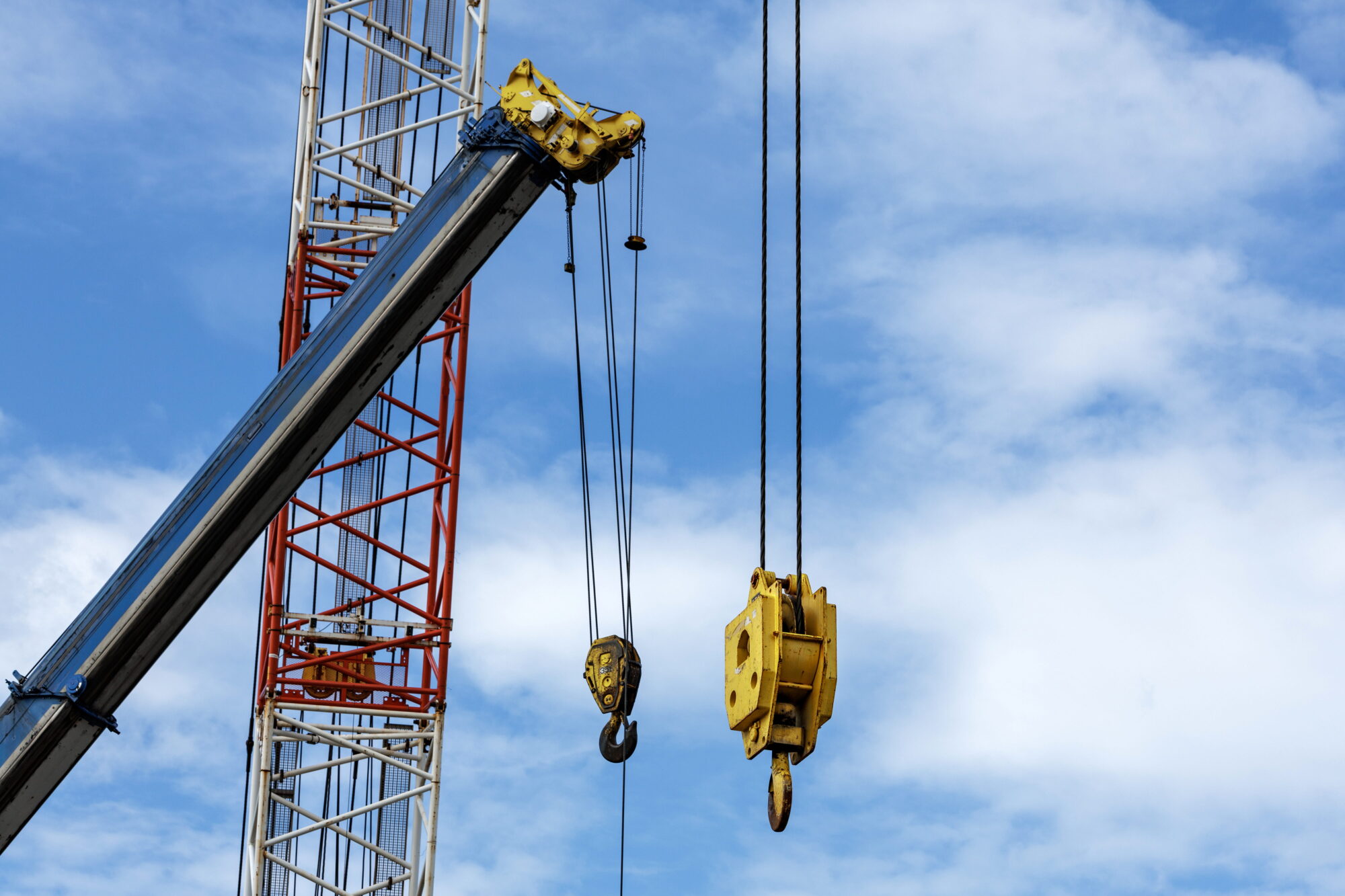
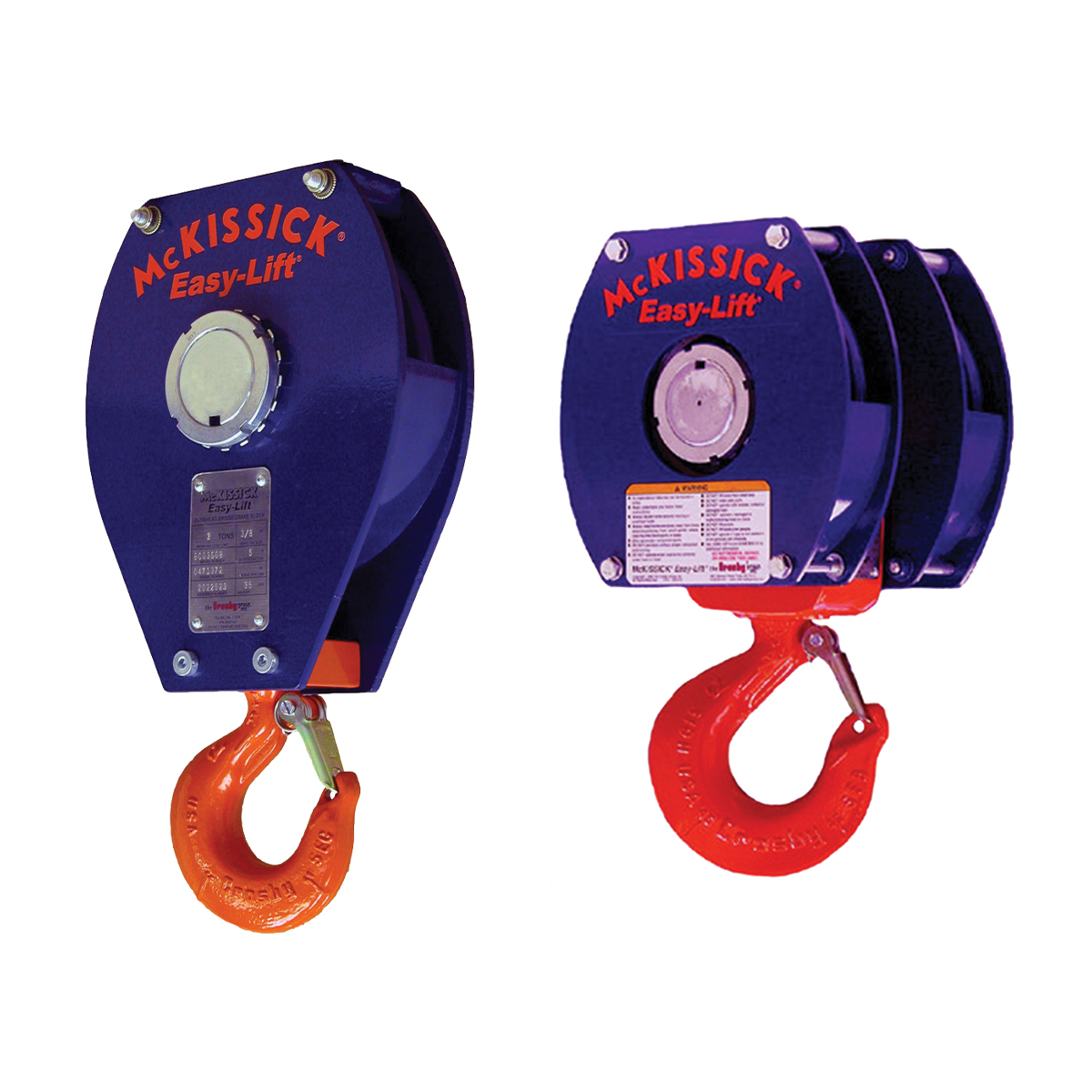
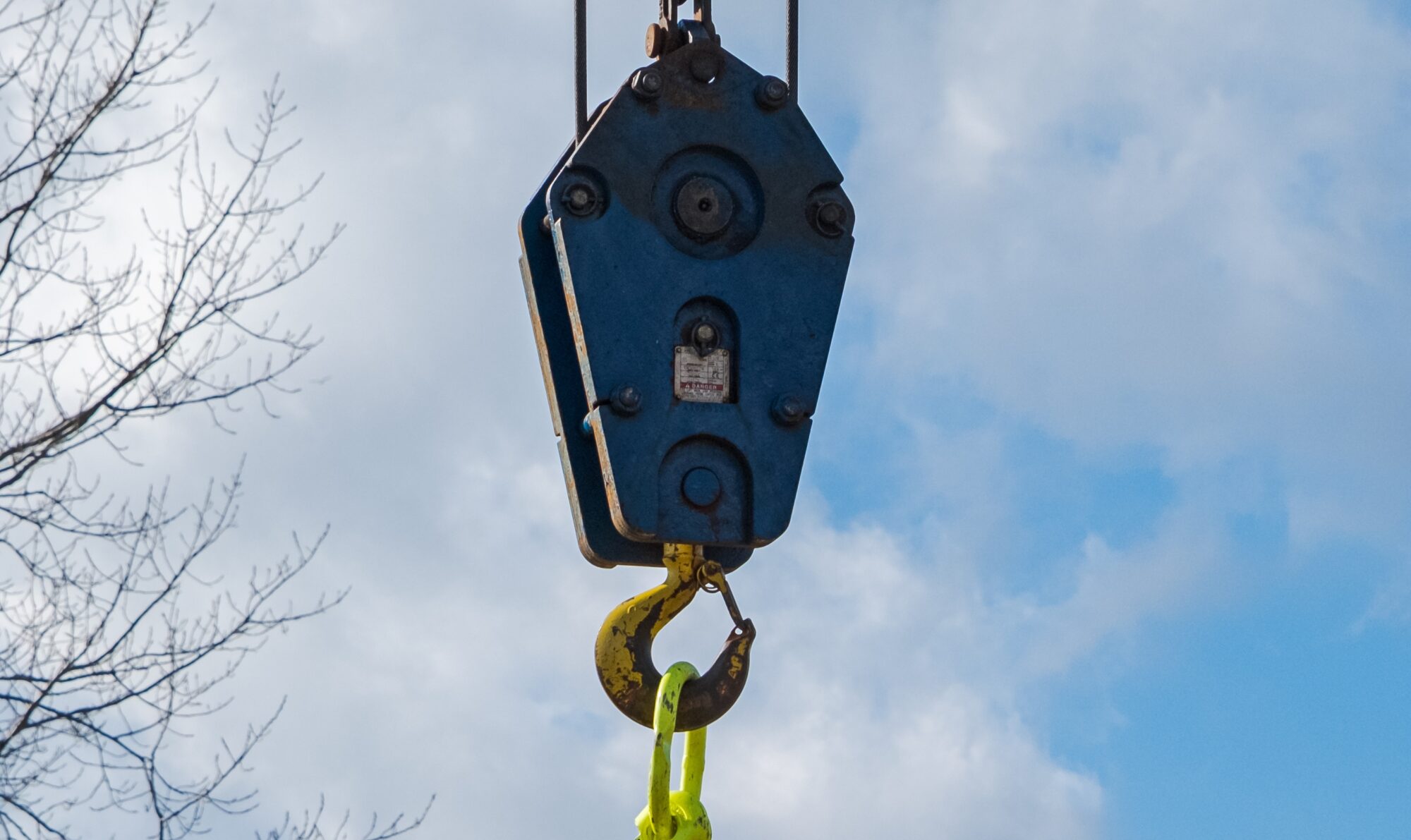
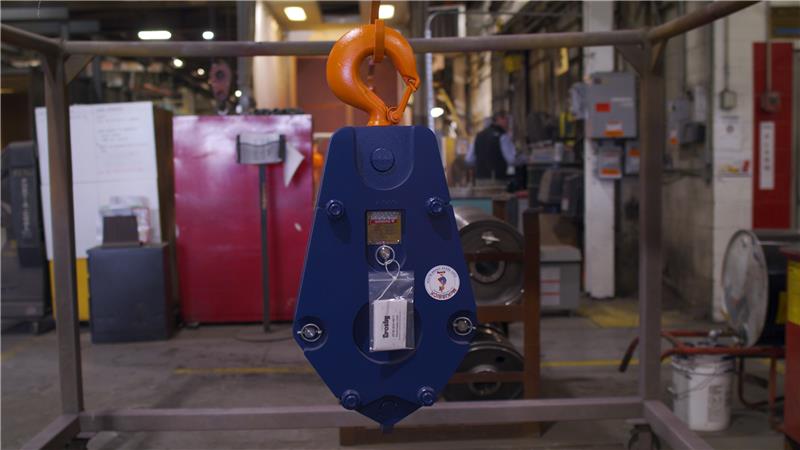
A crane block is a heavy-duty lifting component designed to work with wire rope on mobile, crawler, and truck-mounted cranes. Inside the block are one or more grooved sheaves that guide the rope and multiply lifting capacity through mechanical advantage.
Most crane blocks include a hook, though configurations vary depending on crane type and application. The block connects directly to rigging that supports the load and moves vertically during lifting, while the crane’s boom and winch provide . The lifting muscle.
Unlike smaller rigging blocks or pulleys, crane blocks are engineered for high loads and many duty cycles, making them essential for safe and reliable crane operations.
What Factors Should You Consider When Selecting a Crane Block?
The wrong block can shorten rope life, reduce lifting efficiency, or create dangerous overload conditions. That’s why it’s essential to evaluate key criteria before making a choice:
- Working Load Limit (WLL): The block must handle the maximum load you expect to lift.
- Wire Rope Size: Rope must match the sheave groove to prevent pinching or flattening.
- Sheave Diameter: Larger sheaves improve the D/d ratio (sheave / rope diameter), extending rope life (OSHA 1910.184).
- Parts of Line: More parts of line increase capacity but slow lifting speed.
- Overhaul Weight: Ensures the block lowers under its own weight when unloaded.
- Certifications: Certain industries require standards like API 2C for oil & gas.
Don’t overlook overhaul weight. If the block is too light, it won’t lower smoothly, creating safety risks.

How Do Lift Types Influence Which Crane Block You Need?
Different lifts call for different block designs:
- Heavy lifts demand larger sheaves, higher WLL, and more parts of line to spread the load.
- Repetitive lifts benefit from blocks with greaseable bearings, which extend service life.
- Precision lifts may require specialized hook designs, such as anti-rotation features, for better control.
For repetitive lifts, a block with sealed, greaseable bearings makes a huge difference. It extends service life and reduces downtime over years of use.
Which Industries Use Crane Blocks the Most?
Crane blocks are used across industries wherever heavy loads need to be lifted safely and reliably. Some examples include:
- Construction: Tower, crawler, and mobile cranes use blocks to lift steel beams, precast concrete, and heavy machinery on job sites.
- Oil & Gas: Offshore and onshore cranes often require blocks certified to API 2C, ensuring compliance with demanding safety and performance standards.
- Steel & Metals: Foundries, mills, and scrap yards rely on high-capacity blocks for continuous and severe service.
- Marine & Shipping: Ports and shipyards use corrosion-resistant blocks designed for container handling and ship maintenance.
- Utilities & Power Generation: Used in turbine, transformer, and heavy equipment maintenance lifts.
- Mining: Both surface and underground operations require blocks tough enough to handle ore and heavy equipment.
In each of these industries, the wrong block can lead to downtime, OSHA citations, or serious safety incidents.
What Certification Standards Apply to Crane Blocks?
Certain industries require crane blocks to meet strict standards:
- Oil & Gas: Offshore and onshore operations may require API 2C compliance.
- Personnel Lifting: Blocks must have positive-locking hooks and derated capacity factors.
- Marine Applications: May require corrosion-resistant finishes and load testing for certification.
The right certification ensures your block is not only safe but also compliant with industry regulations.
Why Do Rope Size, Sheave Diameter, and D/d Ratio Matter?
The rope must fit the sheave groove to distribute load evenly and prevent wear. Equally important is the D/d ratio: the sheave diameter divided by rope diameter.
A higher D/d ratio reduces bending stress on the rope and extends service life.
| Rope Size | Min. Sheave Diameter | D/d Ratio |
| 1/2 in (13 mm) | 6 in (152 mm) | 12:1 |
| 5/8 in (16 mm) | 7.5 in (190 mm) | 12:1 |
| 3/4 in (19 mm) | 9 in (229 mm) | 12:1 |
| 1 in (25 mm) | 12 in (305 mm) | 12:1 |
How Does Reeving Configuration Affect Crane Block Performance?
Reeving, which is the way the rope is threaded between the boom tip and the block, directly impacts both capacity and speed:
- More parts of line = higher capacity, slower lift speed.
- Fewer parts of line = faster speed, lower capacity.
Example: A five-sheave block may be reeved with only three parts of line for faster lifting. But this reduces capacity, making it critical to match reeving choices to the job.
Over-reeving for speed at the cost of safety is a common but dangerous mistake.
What Crane Block Design Features Improve Safety and Efficiency?
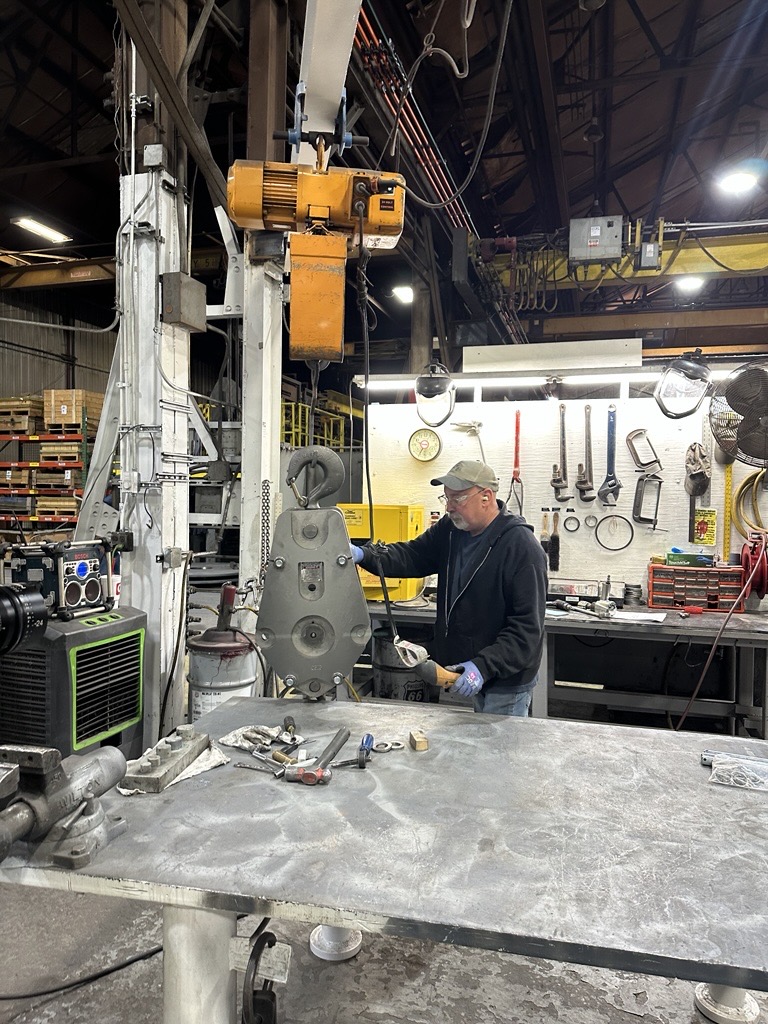
Modern crane blocks often include features that save time and improve safety:
- Easy Reeve systems allow rope installation without disassembly of the end termination.
- Advanced hook latch styles provide added security, with positive-locking hooks required for personnel lifts.
- Dead-end locations may be on the block or boom tip, affecting rope length and distribution.
These details improve efficiency, reduce setup errors, and dramatically extend equipment life.
Crane Block Buying Checklist: What Should You Confirm Before Purchase?
Before selecting a crane block, ask yourself:
- Does the block’s WLL exceed my maximum expected load?
- Is the rope size properly matched to the sheave groove?
- Am I maintaining the correct D/d ratio for rope longevity?
- Have I chosen the right reeving configuration for my job?
- Does my industry require certifications like API 2C or OSHA compliance?
Working with a qualified lifting equipment provider that collaborates with the block manufacturer ensures these questions are answered correctly and the block design excels in the application intended.
Final Thoughts on Selecting a Crane Block
Choosing the right crane block protects your people, your equipment, and your investment. For construction and steel mills, the wrong block can stall projects and cause costly downtime.
In oil and gas, the wrong certification can ground offshore lifts. Across industries, an underspecified block can shorten rope life and introduce avoidable risks.
The right block, on the other hand, delivers efficiency, compliance, and peace of mind. It keeps your cranes working, your operators safe, and your projects moving.
Ready to match the right block to your lift? Contact Mazzella’s lifting experts today.
Frequently Asked Questions on Crane Blocks
A crane block is used to lift and lower heavy loads by guiding wire rope over one or more sheaves. It multiplies lifting capacity through mechanical advantage and connects directly to the hook and rigging supporting the load. Crane blocks are essential for safe, controlled lifting on mobile, crawler, and truck-mounted cranes.
To choose the right crane block, you must evaluate the load weight, wire rope size, sheave diameter, D/d ratio, reeving configuration (parts of line), overhaul weight, and any required industry certifications. The block’s Working Load Limit (WLL) must exceed the maximum expected load for the lift.
Using the wrong crane block can cause premature wire rope wear, bent or damaged sheaves, reduced lifting capacity, poor lowering control, or catastrophic equipment failure. It can also result in OSHA violations, downtime, and increased safety risks for crane operators and riggers.
The Working Load Limit (WLL) is the maximum load a crane block is designed to lift safely under normal operating conditions. The WLL must always be greater than the maximum load being lifted and should account for reeving configuration and any applicable derating factors.
Wire rope size must match the sheave groove to distribute load evenly and prevent pinching, flattening, or accelerated wear. A mismatched rope can significantly reduce rope life and compromise lifting safety.
The D/d ratio is the sheave diameter divided by the wire rope diameter. A higher D/d ratio reduces bending stress on the rope, extending service life and improving lifting efficiency. Maintaining the correct D/d ratio is critical for long-term rope performance and safety.

Copyright 2026. Mazzella Companies.