
What Hoist Do You Need for Explosive or Hazardous Environments?
This article will explain what makes a hoist suitable for explosive or hazardous environments, including the differences between explosion-proof and spark-resistant hoists.
Estimated reading time: 9 minutes
If you work in a chemical plant, grain processing facility, paper mill, refinery, mine, or other hazardous environments, you already know that standard lifting equipment may not be safe for your application.
In these facilities, vapors, gases, dust, moisture, heat, or other environmental factors can create serious safety risks. One spark from the wrong piece of equipment could ignite, damaging equipment, injuring workers, or shutting down production.
That’s why choosing the right hoist matters, but terminology can get confusing quickly. Customers may ask for an “explosion-proof hoist,” a “spark-resistant hoist,” a “Class 1 Div 2 hoist,” or an “ATEX-rated hoist,” and those terms don’t always mean the same thing.
This article will help you understand the basics of hoists for explosive and hazardous environments, including what questions you should answer before contacting a hoist manufacturer or distributor.
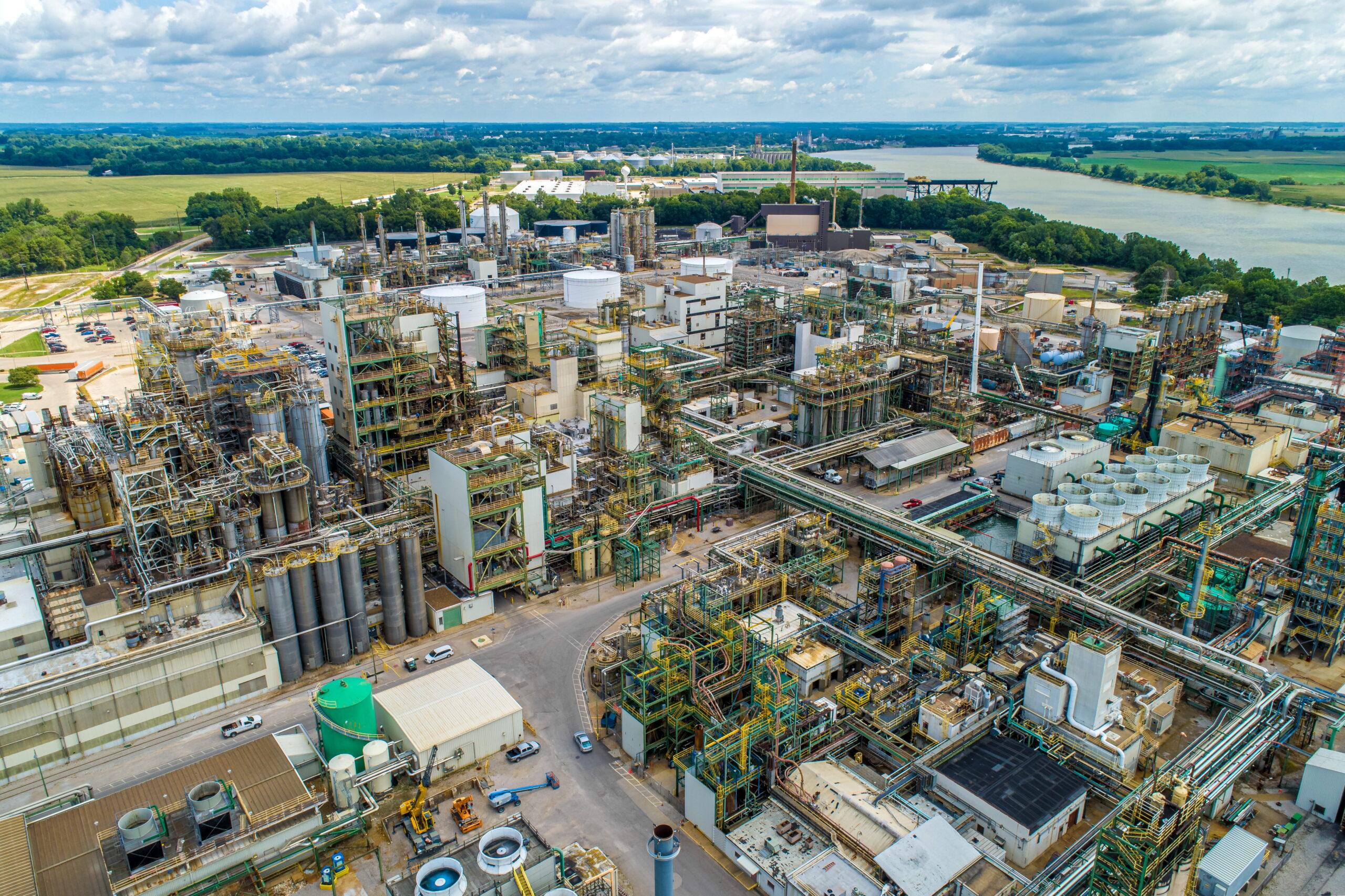
What Is a Hazardous or Explosive Environment?
A hazardous environment is any work area where flammable gases, vapors, liquids, combustible dusts, fibers, or other materials could create an ignition risk.
Some hazardous environments are obvious. Refineries, chemical plants, and gas processing facilities often have strict requirements for any lifting equipment used in production or maintenance areas.
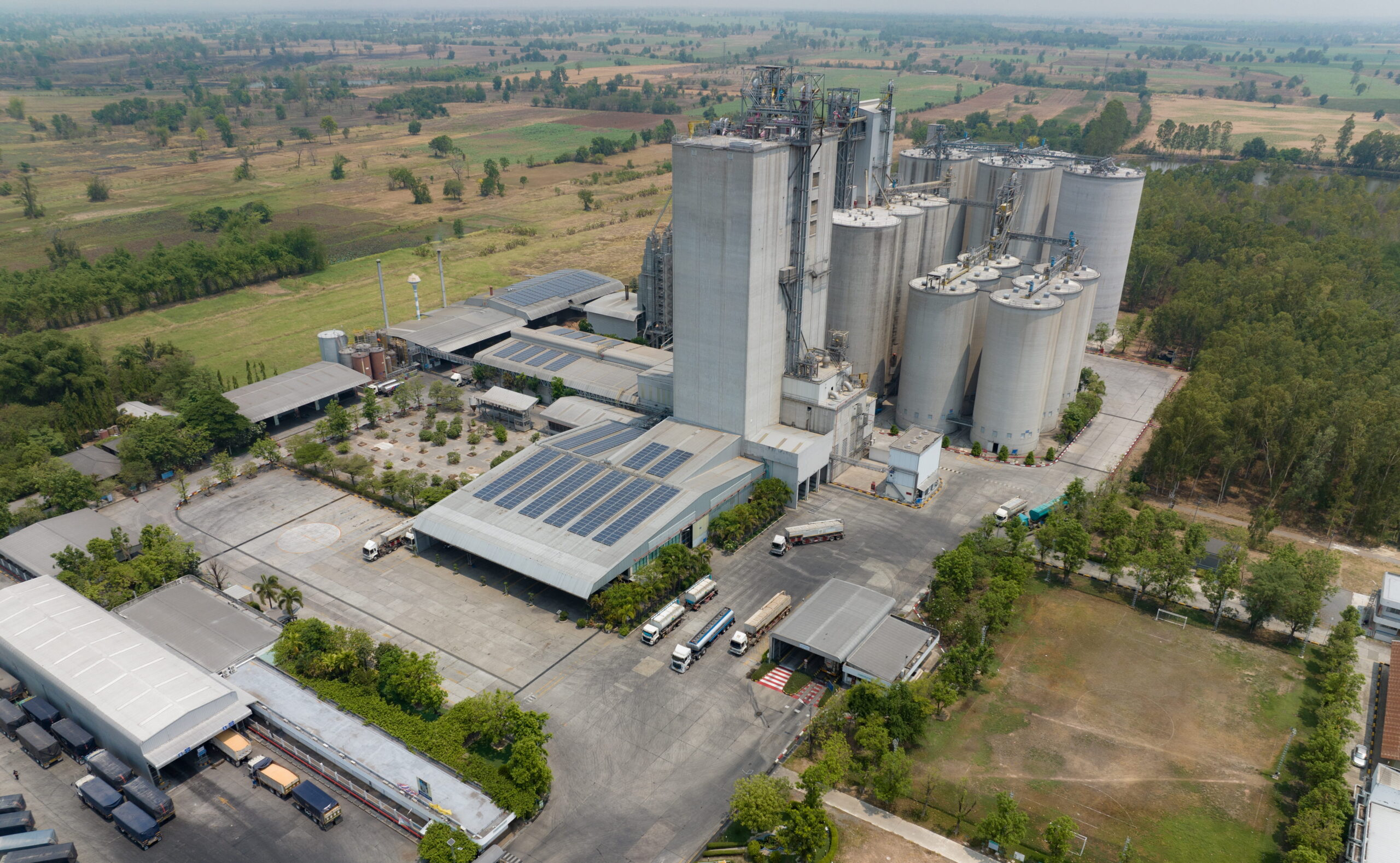
Other environments may surprise people. Combustible dust, for example, can create explosion risks in facilities that process grain, flour, coal, or other fine materials. A corn processing plant or flour mill may not look like a refinery, but the wrong concentration of airborne dust can still create a hazardous condition.
Common hazardous or explosive environments include:
- Chemical plants
- Oil and gas facilities and refineries
- Coal mines and underground mining operations
- Grain processing facilities, flour mills, and food processing plants
- Pharmaceutical facilities
- Paper mills
- Plastics manufacturing facilities
- Foundries and casting facilities
The exact hoist required depends on the materials present, the likelihood of those materials being in the atmosphere, and the classification of the work area.
What Makes a Hoist Explosion-Proof?
An explosion-proof hoist is designed not to be a source of ignition.
For electric hoists, this usually means protecting electrical components that could spark, arc, or create heat. Those components may need to be enclosed or isolated, so they can’t ignite gases, vapors, or dust in the atmosphere. For pneumatic hoists, because it runs on compressed air, it eliminates many of the ignition concerns associated with electric motors, wiring, switches, and controls.
This is the main reason why air hoists are so popular in hazardous environments. However, explosion-proof does not automatically mean the hoist is safe for every hazardous application. You also need to consider whether the hoist can create sparks externally during normal use.
What Is the Difference Between Explosion-Proof and Spark-Resistant?
This is one of the most important distinctions to understand before selecting a hoist.
An explosion-proof hoist is designed to prevent ignition from internal components, such as electrical parts that could spark or arc. A spark-resistant hoist is designed to reduce the risk of sparks created by external contact during operation.
For example, sparks could occur if:
- A bottom hook strikes a concrete floor
- A hook contacts another metal surface
- A pendant swings into nearby equipment
- Trolley wheels travel across a beam
- Metal components impact surrounding structures
Spark-resistant equipment is typically designed for a higher level of protection than equipment that’s only explosion-proof. A spark-resistant hoist may also meet explosion-proof expectations, but an explosion-proof hoist is not automatically spark-resistant.
That difference matters in environments where flammable gases, vapors, or dusts may be present during normal operating conditions.
What Standards Apply to Hoists in Hazardous Environments?
Hazardous environment standards can be confusing because terminology differs between the United States and Europe.
In the United States, hazardous locations are commonly classified using the NEC system, which includes:
- Class
- Division
- Group
In general:
- Class identifies the type of hazardous material present.
- Division identifies how likely the hazardous material is to be present under normal operating conditions.
- Group identifies the specific type of gas, vapor, or material.
You may hear terms like Class 1, Division 1 or Class 1, Division 2 when discussing hazardous environments.
In Europe, ATEX ratings are used for equipment in explosive atmospheres.
NEC classifications are electrical standards. That can create confusion when customers request a “Class 1 Div 2 manual hoist” or a “Class 1 Div 2 air hoist.”
Manual and pneumatic hoists don’t function the same way as electric hoists, so manufacturers and distributors may need to translate the customer’s environmental requirements into the correct hoist design and material options. When in doubt, the end user should provide the required classification for the work area. Don’t expect the hoist supplier to classify your environment for you.
What Industries Need Explosion-Proof or Spark-Resistant Hoists?
Explosion-proof and spark-resistant hoists are used anywhere lifting equipment must operate around flammable or combustible materials.
Some common examples include:
- Chemical processing: Facilities handling volatile chemicals, solvents, or vapors may require hoists designed for hazardous locations.
- Oil and gas: Refineries, offshore platforms, and gas processing facilities often require equipment that reduces ignition risks.
- Mining: Coal dust and other airborne materials can create dangerous conditions, especially in underground environments.
- Grain and agriculture: Grain dust, flour dust, and other organic dusts can be highly combustible in the right concentration.
- Food and beverage: Some food production areas involve dust, washdowns, or sanitation requirements that influence hoist selection.
- Pharmaceuticals: Clean rooms and chemical processing areas may require corrosion-resistant, spark-resistant, or non-electrical lifting equipment.
- Paper mills: High heat, moisture, steam, and harsh production conditions can shorten the life of standard electric equipment.
- Plastics manufacturing: Washdown areas, water exposure, and production residues may create harsh conditions for electrical components.
Why Are Pneumatic Hoists Common in Hazardous Environments?
Pneumatic hoists are common in hazardous environments because they operate using compressed air instead of electricity.
That gives them several advantages. First, they don’t rely on electric motors inside the hoist, which reduces the risk of electrical sparks. And because they have fewer electrical components, they perform well in wet, dusty, dirty, or high-temperature environments, like paper mills or foundries. They can often be upgraded with spark-resistant features.
The tradeoff, however, is that pneumatic hoists require a compressed air source.
What Features Make a Hoist Spark-Resistant?
Spark-resistant hoists use materials and design features that reduce the chance of external sparks.
Depending on the application and classification, spark-resistant features may include:
- Copper-plated hooks
- Bronze trolley wheels
- Stainless steel trolley wheels
- Brass pendants
- Plastic pendants
- Non-sparking or spark-reducing contact materials
The right material depends on the application. For example, a copper-plated hook may be appropriate in many hazardous environments. However, in more severe environments involving certain gases or materials, stainless steel may be required.
This is why environmental classification is important. A supplier can’t properly recommend hoist features without knowing what hazards are present.
What Information Do You Need Before Buying a Hoist?
Before contacting a hoist manufacturer or distributor, gather as much information as possible about your lifting application and work environment.
For any hoist, you should know:
- Capacity: How much weight do you need to lift?
- Height of lift: How far does the load need to travel?
- Pendant length: How far away does the operator need to stand?
- Mounting style: Will the hoist be hook-mounted or trolley-mounted?
- Trolley type: Manual, geared, or motorized?
- Duty cycle: How often will the hoist be used?
- Operating environment: Is the area wet, dusty, hot, corrosive, or exposed to washdowns?
For hazardous environments, you should also know:
- What is the area classification?
- Is the environment Class 1, Division 1 or Class 1, Division 2?
- What group applies to the environment?
- Are flammable gases, vapors, dusts, or fibers present?
- Are hazardous materials present under normal conditions or only abnormal conditions?
- Does the facility require ATEX-rated equipment?
- Are there additional corrosion, sanitation, or washdown requirements?
A hoist supplier can help match equipment to your stated requirements, but they should not be responsible for classifying your facility.
Common Mistakes When Selecting Hoists for Hazardous Areas
Hazardous environment lifting applications are complex, and mistakes can be expensive.
Some common mistakes include:
- Assuming explosion-proof and spark-resistant mean the same thing
- Requesting a hoist without knowing the environmental classification
- Using electric hoists in wet or washdown areas without proper protection
- Ignoring external spark risks from hooks, pendants, or trolley wheels
- Assuming all hazardous environments require the same hoist features
- Letting a supplier guess the class, division, or group
- Failing to inspect spark-resistant coatings or materials over time
You should also make sure spark-resistant features remain intact during the life of the hoist. For example, if a copper-plated hook becomes worn or damaged, it may no longer provide the same level of protection.
Final Thoughts on Hoists for Explosive Environments
Choosing a hoist for a hazardous environment starts with understanding the environment itself.
Before you compare hoist models, capacities, or prices, you need to know what hazards are present and what classification applies to the work area.
Explosion-proof and spark-resistant hoists are not the same thing. Electric, pneumatic, and manual hoists are not evaluated the same way. NEC and ATEX standards do not use identical language. And different hazardous materials may require different hoist features.
The right hoist protects your people, your equipment, and your facility from unnecessary risk.
At Mazzella, we partner with the top hoist manufacturers in the industry, and our in-house team of lifting experts can help you pick the right hoist for your environment. Contact our team today!
Copyright 2026. Mazzella.