
Common Mistakes When Ordering Wire Rope Lifting Slings
Before purchasing wire rope slings for your business, check out this article that lists common mistakes people make.
Estimated reading time: 8 minutes
Key Takeaways
- Ordering wire rope lifting slings requires precise details to prevent costly errors and safety hazards.
- Common mistakes include ignoring environmental factors, wrong rope length, and not defining working load limits.
- Buyers must communicate details like load dimensions, hitch angles, and necessary hardware for accurate sling orders.
- Using corner protectors and checking tags are essential for maintaining sling safety and compliance.
- Prioritize providing complete information to suppliers for correct and safe wire rope sling orders.
Ordering wire rope lifting slings involves technical details that are easy to overlook. For purchasing managers and rigging equipment buyers, a single specification error can result in costly returns, project delays, or serious safety hazards for workers.
Most wire rope sling ordering mistakes can be prevented with better upfront communication. The more complete the information you provide to your supplier, the more likely you are to get the right sling the first time. Environmental conditions, sling length, hitch angles, hardware compatibility, and identification tags all affect whether a sling is safe, compliant, and suitable for the job.
This article, with the help of Mazzella’s internal wire rope experts, covers common ordering mistakes and how to avoid them, so you can place better orders and reduce delays, damage, and rework.
Biggest Mistakes When Ordering Wire Rope Slings
Ignoring Environmental Factors
A sling that performs well in a climate-controlled warehouse may degrade rapidly in a steel mill, a chemical plant, or a shipyard.
In marine or coastal environments, saltwater attacks carbon steel aggressively. Galvanized wire rope provides cost-effective protection for intermittent moisture exposure. For constant immersion or highly corrosive conditions, galvanized, stainless steel wire rope is the better choice.
In caustic environments like chemical treatment plants, a chain may be more appropriate than a wire rope. Always communicate the operating environment to your supplier before ordering.
Ordering the Wrong Rope Length for Your Application
Buyers often focus on making sure a sling is “long enough” without considering how sling length affects the actual lift.
If the sling is too long, you may not be able to make the pick. If it is too short, it may not fit around the object or allow you to lift it high enough to do what the job requires.
This becomes even more important in applications involving overhead cranes or field cranes, where lift height and available distance are limited. A sling that seems close enough on paper can create problems once the load is in the air.
To avoid this mistake, share the load dimensions, pick points, and any headroom restrictions with your supplier. If there’s limited overhead space, mention that early.
Ignoring Working Load Limits
Another common mistake is failing to clearly define the load the sling is expected to handle. Buyers may know they need a sling, but they don’t always provide the actual load weight or enough detail about the lift.
You don’t want to order a sling that is undersized for the application, but you also don’t want to overbuy and end up with a heavier, more expensive sling than the job requires.
Suppliers will want to know the capacity the customer needs, because there is no reason to sell an inch-and-a-quarter sling when the customer is only lifting 1,000 lbs. At the same time, they’ll also need enough information to ensure the customer isn’t under-ordering.
Provide the actual load weight, not an estimate if you can avoid it. If the sling will be used on multiple loads, explain the range of weights and applications so your supplier can help you choose the right fit.
Ignoring Hitch Angles
Buyers also need to consider how the sling will be used, especially in two-leg or multi-leg lifting configurations.
As our experts explain, a shorter sling can increase the angle in a multi-point pick, and an increased angle decreases sling capacity. That means even if a sling looks sufficient based on weight alone, the lift angle can change the actual capacity in use.
This is a common ordering issue because many buyers think in terms of load weight first and sling angle second. A sling that is too short may force a steeper angle, which can reduce capacity and affect lift safety. If the sling will be used in a two-leg, three-leg, or other multi-point configuration, tell your supplier how the load will be picked. Include pick point spacing and lift arrangement whenever possible.
Not Using Corner Protectors or Sleeves
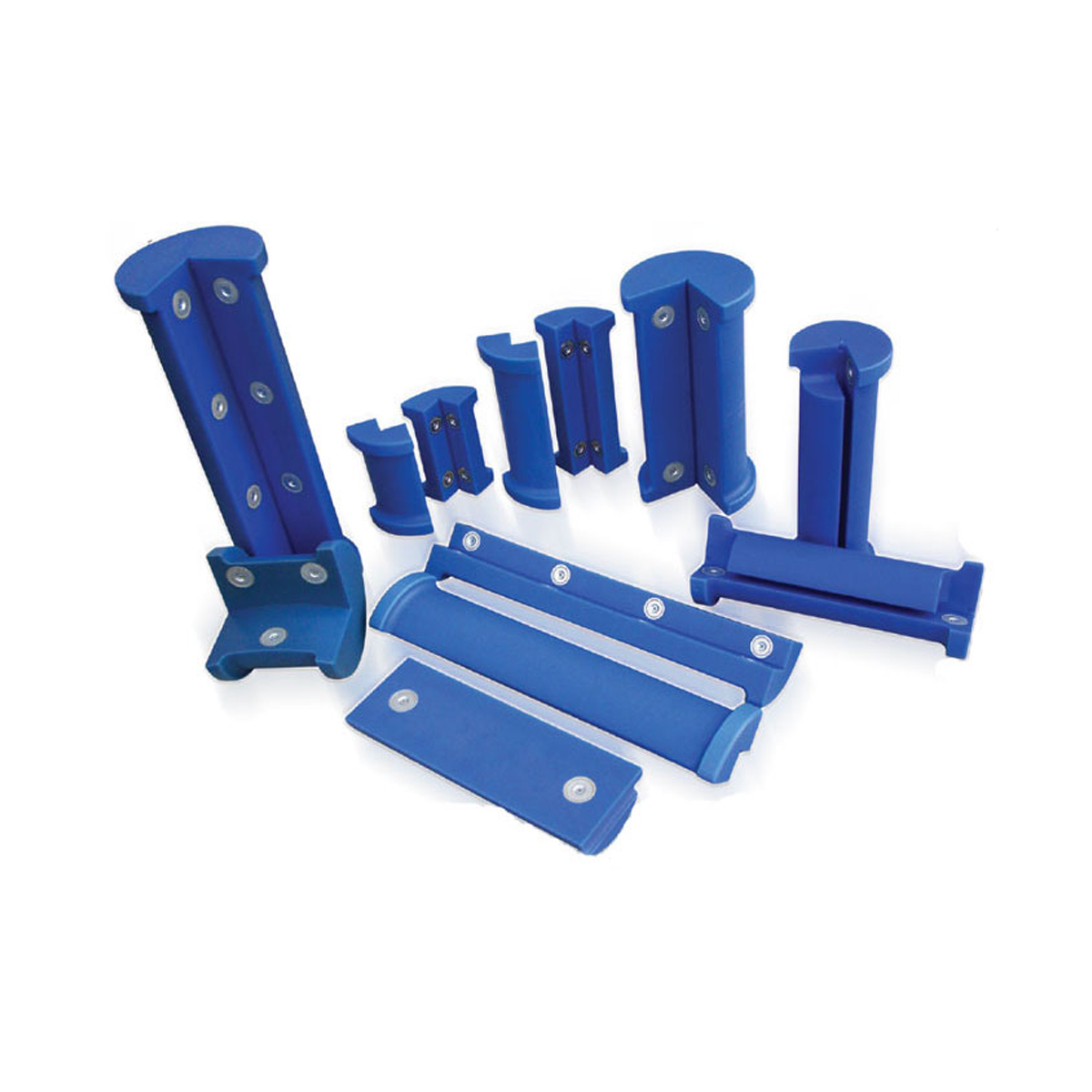
In construction and civil engineering projects, when crews are lifting bridge beams or steel structures, they are often dealing with heavy loads, sharp edges, and abrasive corners. In those applications, sling protection is necessary to help protect both the sling and the load.
Many times, our specialists will receive calls from customers saying they had to replace dozens of wire rope slings because they weren’t using protection around the steel structure they were lifting. The slings were beyond repair, and the structure was damaged. Instead of paying the $20-$40 on corner protectors or sleeves, they end up spending thousands of dollars prematurely replacing slings.
If the sling will contact edges, abrasive corners, concrete, or structural steel, ask whether corner protectors or sleeves are needed.
You should also know the difference between cut and abrasion protection. Abrasion protection is ideal for rounding rough edges. For example, when lifting a large stone or concrete slab. On the other hand, cut protection is best when lifting loads at a 90-degree angle.
Not Checking for Tags
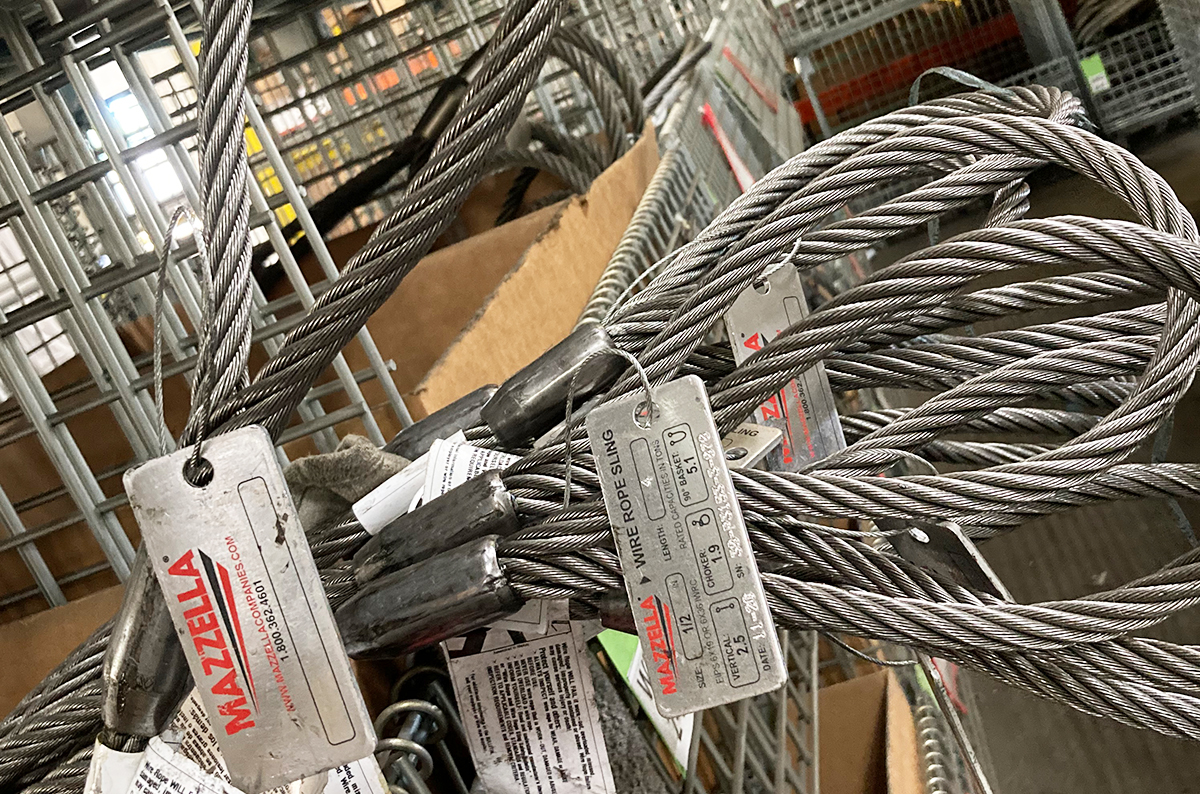
If a sling doesn’t have proper identification, it can create immediate issues for compliance, traceability, and continued use.
It’s an OSHA requirement, and if a sling on your job site doesn’t have a tag, it may need to be pulled from service for inspection and retagging.
Before ordering and before using, confirm that the sling has the proper identification tag and that the tag will remain legible in the application. If you have slings in service with missing or damaged tags, have them removed from service.
Choosing the Wrong Eye Type
One of the more practical mistakes buyers make is failing to specify the right eye type for the crane hook or connection hardware.
A customer may be using a large crane on site, such as a 150-ton crane, which may cause issues if the eye of the sling does not fit over the hook. You may need extra rigging items to complete the lift. Ordering the correct size or eye type can be very cost-effective and use less rigging for your lift.
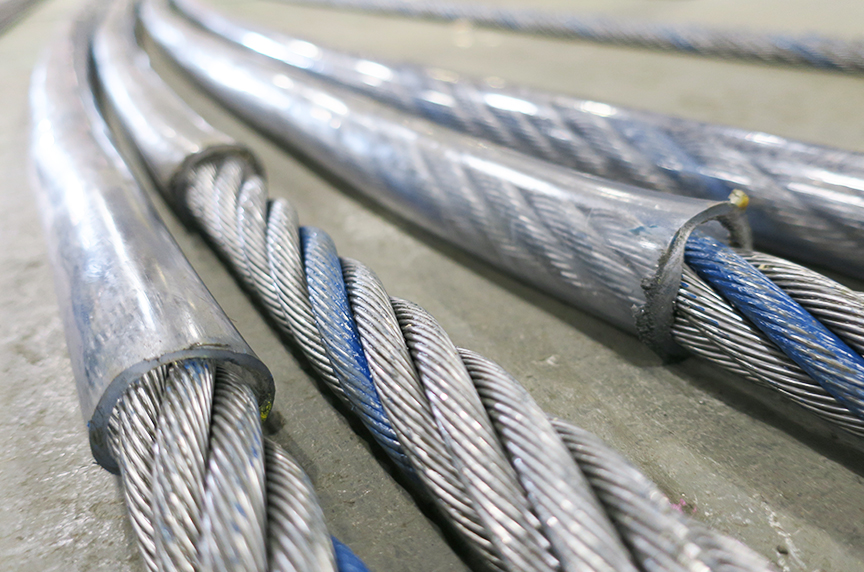
This is also where eye style matters. Standard eyes, large eyes, and thimble eyes all serve different needs. In multi-leg sling assemblies, thimble eyes can be especially useful because the thimble helps protect the eye from wear and damage when using shackles and other hardware.
Tell your supplier what hook, shackle, or hardware the sling will be used with so they can recommend the right eye type and eye size. You should also know how the d/d ratio affects your choice of wire rope diameter.
What Information Should You Have Ready Before Ordering Wire Rope Slings?
Before placing an order, be prepared to answer questions like:
- What is the load capacity?
- What are the dimensions of the load?
- What environment will the sling be used in?
- How will the load be picked?
- What sling length is needed?
- What hook or connection hardware will the sling need to fit?
- Are corner protectors, sleeves, hooks, or other accessories needed?
- How many slings are required?
- What is the timeline for the project?
The more complete your information is, the easier it is for your supplier to recommend the correct sling for the application.
Final Thoughts on Correctly Ordering Wire Rope Slings
Most wire rope sling ordering mistakes are preventable and usually happen when important details are left out in the ordering process.
If buyers think beyond just size and capacity, and instead consider environment, length, hitch angle, hardware fit, protection, and traceability, they can avoid many of the issues that lead to damaged slings, compliance concerns, and costly delays.
At Mazzella, we have over 70 years of experience manufacturing and distributing lifting slings to industries nationwide. If you want to learn more about what lifting sling is best for your application, download our Lifting Sling Types & Terms E-Book for a comprehensive overview.

Copyright 2026. Mazzella.