
Reactive vs. Preventive vs. Predictive Maintenance for Overhead Cranes: Which is Best?
A practical comparison of reactive, preventive, and predictive approaches to reduce downtime and cost.
Transcript
Comparing Reactive, Preventive, and Predictive Maintenance
– When you hear reactive maintenance plans for cranes, what does that look like in real life?
– When it breaks, we fix it.
– What’s at stake beyond just the repair costs?
– Unplanned breakdowns cause production stoppage.
– And if somebody says, “We’re fine, we fix it when it breaks,” what’s one thing that you’d want them to understand?
– Not only do unplanned breakdowns cost more to repair, but they could also cause a safety hazard.
– How do you stop unexpected crane downtime from killing your production schedule? In this video, we’re going to compare reactive, preventative, and predictive maintenance so you can choose the right path for your facility.
My name is Ben, this is the Lifting & Rigging Channel. Today, I’m joined by Kevin Brewer, our Director of Crane Service, who helps plants across the country move from fixing it when it breaks to true reliability.
What Is Reactive Maintenance for Overhead Cranes?
Reactive, preventative, and predictive. What are those maintenance plans?
– Reactive is really no strategy. It’s just simply, “We wait till it breaks and then we fix it.”
What Is Preventive Maintenance for Overhead Cranes?
So a preventive maintenance plan, you do some adjustments, you make minor repairs as you see them starting to wear. We find and repair small issues before they become big issues.
What Is Predictive Maintenance for Overhead Cranes?
And then predictive maintenance is where we really start using additional tools to measure and gauge, and follow wear patterns to help determine when maintenance tasks need to be done, and then make predictive judgements on when things are going to break so we can fix them before they break.
Why Reactive Crane Maintenance Costs More in the Long Run
– So I’m sure that reactive plans are pretty common in the industry? If it ain’t broke, don’t fix it. Right?
– Sure.
– Is there any time when a reactive plan actually works for some companies?
– Sure, if you have a machine shop that isn’t critical to your operation, that may be a workable strategy for you, but if production is really important, then a reactive strategy is typically not the best way to go.
From a maintenance strategy, the upfront cost to a reactive plan are the cheapest. There’s really no cost on the front side, but you do have a backend cost that is typically more.
– Mm-hm.
– It always breaks when it’s least, you know-
– Least opportune.
– Opportune. You’re having to call people in on an emergency basis, and so it’s a breakdown call. Breakdown calls are going to cost more because we’ve got to dispatch technicians, they’ve got to diagnose, figure out what the problem is, and they’ve got to make a return trip with the parts and make the repairs, not to mention your production is down during this time, the crane’s unavailable for use.
And if you compare those backend costs and those breakdown costs and those losses, and then look at planning that cost over the course of the year, the first couple of years, it’s about the same. Sometimes the preventive maintenance strategy might be a little more expensive in the first couple of years, especially if the cranes haven’t been repaired and haven’t been kept up. You’ve got to put some money into repairs and getting them back where they need to be, but once you kind of get everything on track and where it should be, that cost should level out, and when you can plan that cost, it’s always going to be more manageable.
What Is Included in a Preventive Overhead Crane Maintenance Plan?
– So if a company’s on a reactive plan and they want to move into a preventative plan, what’s something that changes for them?
– More Frequent Inspections. There’s requirements for Periodic and Frequent Inspections, and the timeframes that go along with those, but part of a preventive maintenance program are those more Frequent Inspections.
With those inspections, you’re able to see wear patterns and see things as they start wearing, and then you can plan that repair instead of having to do it on an emergency type of basis.
– Is there anything else that’s included in a good preventative maintenance plan?
– You’ll do lubrication and greasing, you’ll make brake adjustments. You know, sometimes you might do some of the minor repairs that you see, and we can go ahead and just take care of those things while we’ve got the crane out of service for the inspection, and it eliminates kind of nuisance breakdowns.
How Does Predictive Maintenance Work for Overhead Cranes?
– So when people hear predictive plan, they’re probably thinking sensors, AI, things like that. What does predictive actually mean for crane maintenance today?
– The way we look at a predictive maintenance strategy is really coming up with a condition-based tracking strategy. So we’ll do things from oil analysis and grease analysis to determine there’s bearing wear, there’s gear wear, and then make determinations on when we need to do a gearbox rebuild.
We’ll take wheel flange wear adjustments, so we’ll actually measure wheel flanges and provide that data so that we can track the trends of those wear, and we can see, okay, we’ve got six months that this is going to be worn beyond acceptable. We do those same kind of measurements for brake discs and brake shoes.
Heat sensors, we’ll have a thermal imaging camera to where we can find hotspots in contactors, and motors, and gear boxes, and bearings, and with those hotspots, we know that’s something that we need to look deeper into.
A common writeup on inspections is that something is worn. Well, as soon as it’s used, it’s worn.
– How worn?
– So, how worn? Is it worn but it’s still within specs and acceptable?
It’s kind of like your tires. As soon as you drive your new tires off the shop floor, they’re going to show wear as soon as you drive to the first stop sign, but how much wear? And so they’ll actually measure your tread depth, tell you, “Hey, your tires are worn to 2/32 or 3/32, or whatever, and at some point they say, “We recommend you get new tires.”
A predictive maintenance strategy follows that type of system where we actually take those measurements and then we provide forecasts of, “Hey, you’ve got this much time before we need to make this replacement.”
– So what conditions need to be true for a good predictive maintenance plan to work well?
– You have to do Frequent Inspections. Typically, those are going to be on a monthly basis. Depending on how much production, it could be as often as weekly. There could be some scenarios in which you’re looking at them every day, but the most common is a monthly inspection.
Which Facilities Need a Predictive Crane Maintenance Strategy?
– Where do you see predictive maintenance plans delivering the most value, then?
– Those are going to be in your high-production customers. They have a dollar amount that it costs them when those cranes are down. If they know what it costs when production shuts down, then a predictive strategy is the best way to go for those plants.
– So, do you have any examples of who those might be?
– Sure, so, you know, automotive plants, the tier-one automotive plants, they don’t keep inventory of all the parts. They show up in the plant, and then they immediately go onto the assembly line, and so those tier-one suppliers that are making those components, they have those same type of production requirements.
Steel mills, if a crane goes down in a steel mill and they’ve got a crucible full of molten steel, there’s hundreds of thousands of dollars per hour in loss. They’re getting into where we’re using temperature sensors, and vibration sensors, and laser measurement tools, and a lot of different things to really measure any moving component.
How to Choose the Right Overhead Crane Maintenance Strategy for Your Facility
– So if I’m a maintenance manager, and I’m trying to decide which strategy is best for my facility, what are some questions that I might ask myself to help determine that? How can I determine that?
– What does it cost me if production goes down? And if that’s a large number, then you know, a predictive maintenance strategy is always going to cost less. And there’s several ways, you can hire a third party like us to come in and put your predictive maintenance strategy together. You can have your own in-house team that works on that strategy, or you can partner with an in-house team and a third party.
Making sure that the crane’s going to maximize its lifecycle a predictive maintenance is going to give you the most benefit, but it’s the most upfront cost. If production is not a highly critical, very expensive thing for a plant, and it’s not for everybody, then a predictive maintenance plan may not be the best strategy. It may be money spent that just doesn’t make sense.
– So, can you choose the maintenance plan per crane? Or do you need to choose a maintenance plan per facility?
– No, actually, per crane is a great strategy. You may have a production crane that, if that crane goes down, your plant shuts down, and you may have a maintenance crane that’s not that critical. And so implementing the same strategy on both of those cranes may not make sense, so certainly, you could have multiple strategies within the same facility.
How to Transition from Reactive to Preventive Maintenance
– So if I’m currently on a reactive plan right now, what’s the first step that I can take without overwhelming my team as I’m trying to move forward?
– Sure, most of the time it’s going to be a progression, and so going to a preventive maintenance, one of the biggest ones is wire ropes. Obviously, wire rope on a hoist is one of the most critical components. It’s a single fail point, and there’s no backup for it.
Well, if you use that reactive strategy as a wire rope maintenance strategy, if your wire rope breaks, you’ve created an immediate safety hazard. With measurements and proper inspections of those wire ropes, you can accurately predict how long that rope’s going to last, down to the week or the day, in some cases.
How to Build a Reliable Overhead Crane Maintenance Strategy
– So, is there one sign that you might be able to pinpoint to identify if your current maintenance plan is failing?
– If you have a lot of equipment breakdowns, you probably don’t have a great strategy.
– And how can Mazzella help with their maintenance strategy?
– We can consult with a customer, talk with them about their production needs, and about their usage of the cranes, and then we can provide them with guidance in putting together all of those plans, and then we can take it full course, and we can run with the whole thing and provide them with a complete maintenance strategy with inspections, repairs, and the whole thing.
– All right. So reactive, preventative, and predictive maintenance all have their place. The big takeaway is this. The right plan depends on how critical the crane is, how hard it’s working, and how much downtime you can actually tolerate. If you’re not sure where you fall, or if you’re dealing with constant fire drills, your next step is simple. Talk with one of our Crane Service Specialists.
We’ll help you identify realistic improvements and what a path forward looks like for your facility. Contact us through the link below.
If you found this video useful, informative, entertaining, or you just feel like being friendly? Then hit that Like button so we can get this information out to everyone who needs it. Remember, safe rigging is smart rigging. My name is Ben. Stay safe out there.
Estimated reading time: 20 minutes
In some ways, overhead cranes are not very different from the car you drive to work every day.
Both require regular maintenance and inspections, they cost thousands of dollars, and when they break, your life will be significantly worse.
When you invest in a crane, your mindset should be that this is a machine that can be used in your facility for decades. A big part of achieving this goal is having the proper maintenance plan in place. But many companies have an “if it ain’t broke, don’t fix it mindset.
While this approach offers short-term convenience and low upfront spend, you increase the risk of higher upstream cost and increased safety risk for workers.
With the help of Mazzella’s internal crane experts, we’re going to compare reactive, preventive, and predictive maintenance plans for overhead cranes. We’ll also discuss how to transition away from proactive mindsets without overwhelming your team and other resources that can help you extend your crane’s lifespan.
What is Reactive Maintenance for Overhead Cranes?
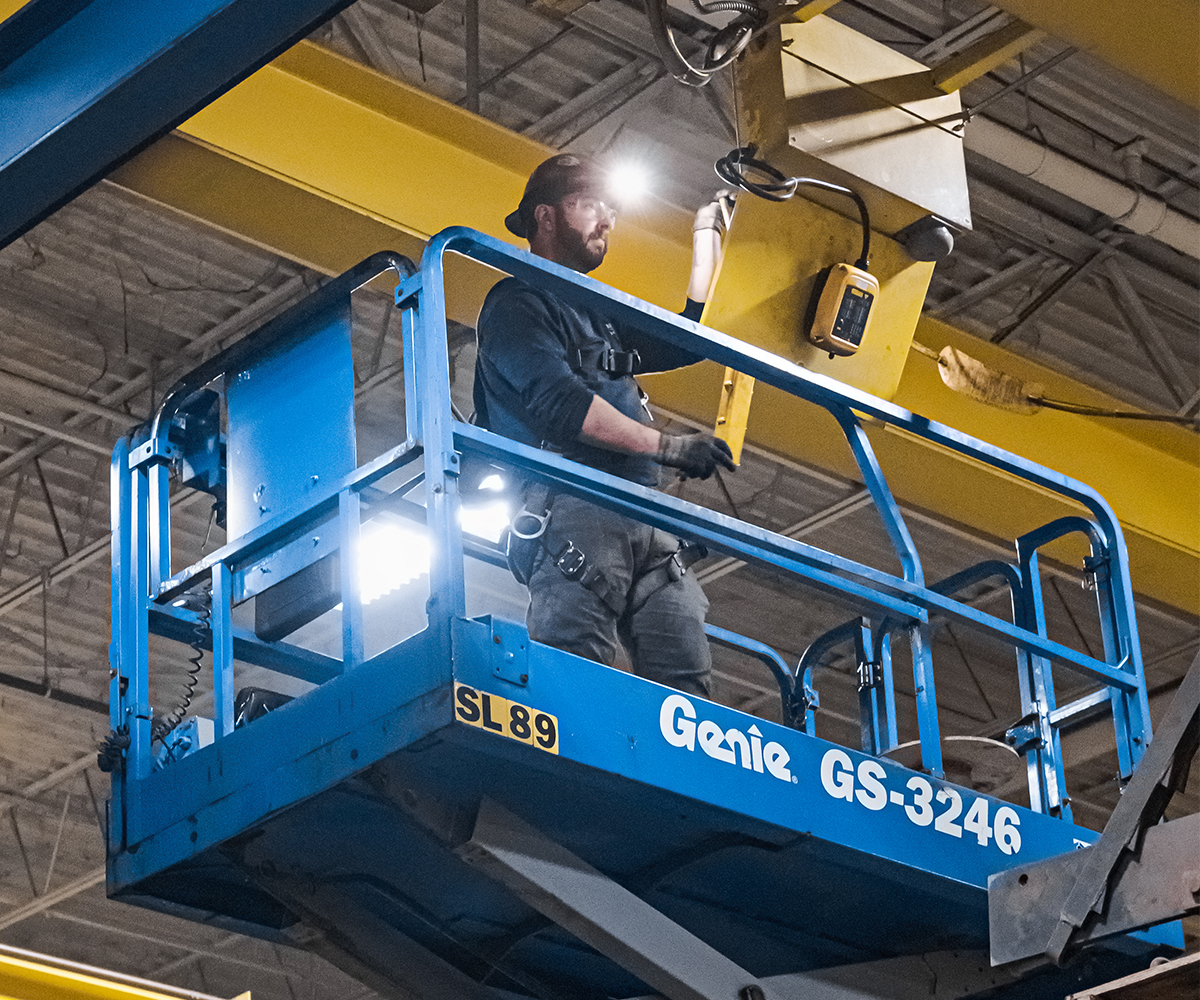
Reactive maintenance is the simplest strategy: the crane is repaired after it fails. In practice, reactive maintenance usually means there is no formal plan beyond responding to breakdowns and addressing issues when they become impossible to ignore.
Reactive maintenance is common because the upfront cost is low. If you are not doing planned inspections beyond minimum requirements and not investing in condition monitoring, it can feel like you are saving money. The problem is that the “savings” often move downstream into emergency labor, expediting parts, repeated troubleshooting, and unplanned downtime.
Reactive Maintenance in Real Life
Typical patterns include:
- The crane runs until a fault, misadjustment, or component failure stops operation.
- Maintenance places an urgent service call and waits for a technician to diagnose the issue.
- Parts are ordered after diagnosis, then a second visit is required to complete repairs.
- Production either stops, reroutes, or works around the crane outage, often at reduced throughput.
- Repairs occur under time pressure, sometimes outside normal hours.
What is at Stake Beyond Repair Costs?
Reactive maintenance can raise:
- Downtime costs: the crane is unavailable while the issue is diagnosed and fixed.
- Emergency response costs: breakdown calls tend to require urgent scheduling and may include premium labor rates.
- Operational risk: interruptions can force process changes that introduce new hazards.
- Safety exposure: some failures create immediate danger, especially when they involve single-point-of-failure components.
One of the clearest examples is wire rope on a hoist. A wire rope is a critical component with no backup in the load path. Treating it as a run-to-failure item can create a direct safety hazard if failure occurs during a lift.
Are Reactive Plans Always Unacceptable for Cranes?
Not necessarily. Reactive maintenance plans are fine when a crane is not critical to production and the consequences of downtime are low. For example, a non-critical maintenance crane in a service that supports occasional tasks may tolerate a break-fix approach if downtime does not jeopardize safety or production.
Even in these cases, reactive maintenance still needs guardrails. Minimum inspection requirements and correcting hazards don’t go away. Reactive simply describes how you handle reliability and repairs, not whether you comply with safety obligations.
What is Preventive Maintenance for Overhead Cranes?
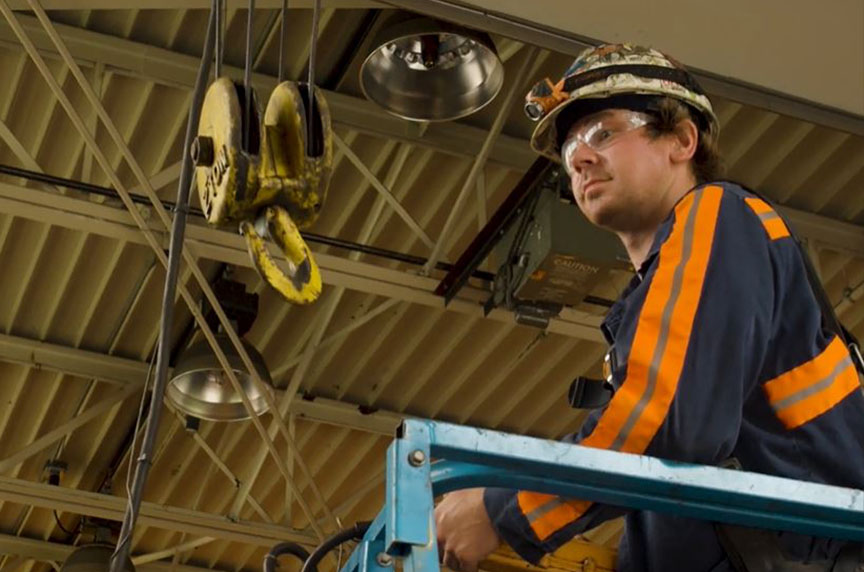
Preventive maintenance is a step up from reactive. Instead of waiting for failure, you perform planned inspections and routine service tasks on a defined schedule. The goal is to identify wear and minor issues early, then address them before they turn into breakdowns.
Preventive maintenance typically includes:
- More frequent inspections
- Lubrication and greasing
- Brake adjustments
- Minor repairs found during inspection windows
For safety professionals, the value is straightforward: preventative maintenance reduces the likelihood of unexpected failures and helps keep safety-critical components within acceptable conditions.
For maintenance managers, the operational value often shows up quickly: fewer nuisance problems, fewer urgent calls, and more work that can be scheduled rather than forced into an emergency slot.
How to Move from Reactive to Preventive
The first improvement most facilities notice is inspection cadence. A preventive program leans on frequent and periodic inspections appropriate to the crane’s usage and duty cycle. More frequent inspections help you spot wear patterns and components approaching limits so you can plan repairs.
Preventive maintenance also creates an opportunity advantage. If the crane is already out of service for an inspection, it often makes sense to correct small issues during that same planned downtime. That reduces repeat outages and prevents minor defects from compounding into a larger failure.
What are the Limitations of Preventive Maintenance?
Preventive maintenance improves reliability, but it can still leave gaps:
“Worn” is often noted without quantifying how worn. Service intervals may be calendar-based rather than condition-based. More complex issues, especially electrical hot spots and internal wear, may not be obvious without additional tools.
Preventive maintenance is proactive, but it may not be as precise as predictive maintenance.
What is Predictive Maintenance for Overhead Cranes?
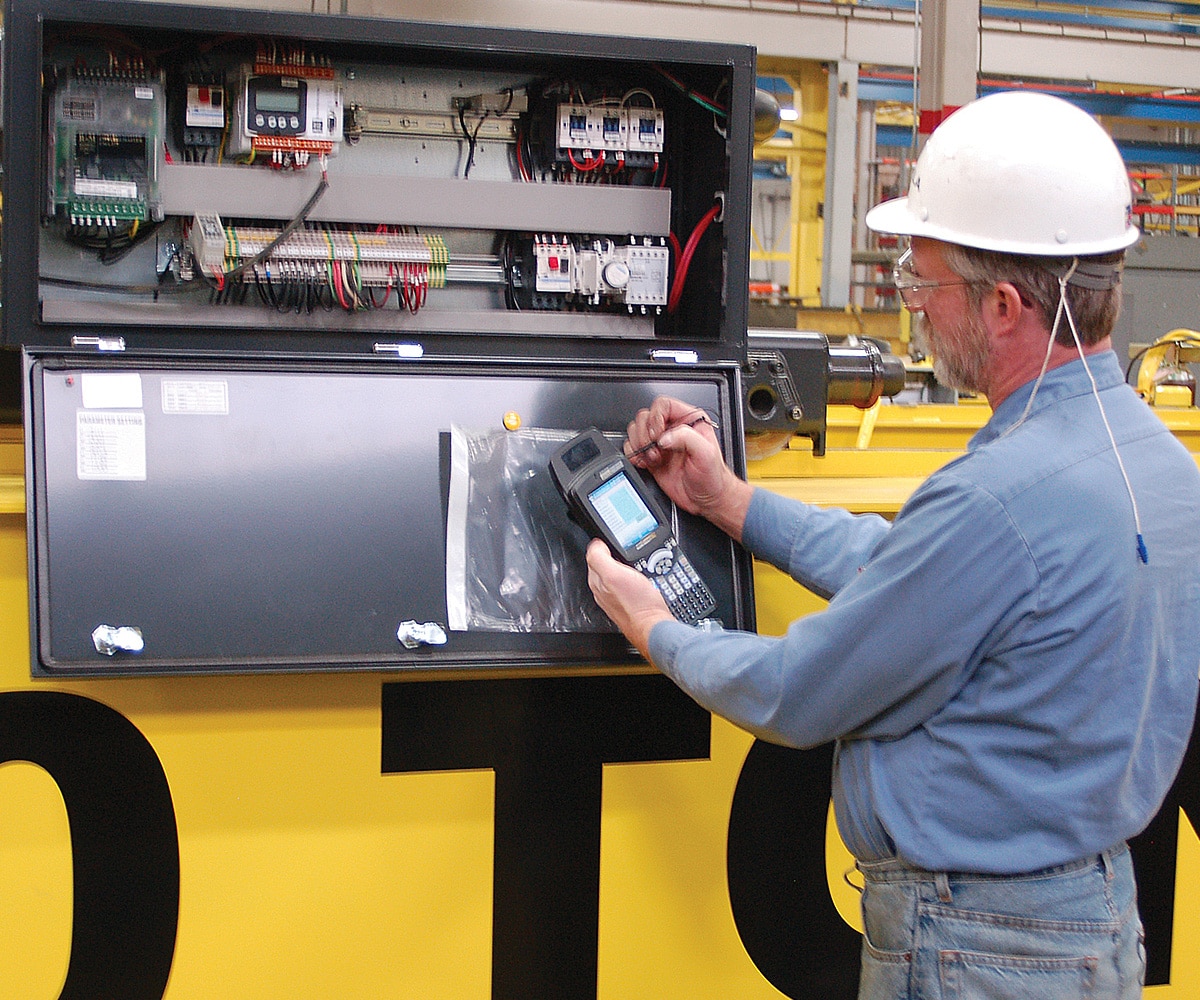
Predictive maintenance uses condition-based monitoring to measure wear, track trends, and forecast when components will need service or replacement. Predictive doesn’t have to mean sophisticated AI systems. In most cases, the practical core is measurement plus trending.
A predictive approach asks:
- How worn is it right now?
- How fast is it wearing over time?
- When will it cross an acceptable limit if conditions remain similar?
- What is the best planned time to intervene?
What Does Crane Predictive Maintenance Include?
Predictive maintenance can incorporate a mix of techniques, including:
Oil and grease analysis: taking samples and sending them to a laboratory to identify bearing wear, gear wear, or other internal degradation.
Quantified wear measurements:
- Wheel flange wear measurements with trend tracking
- Brake disc and brake shoe thickness measurements
Thermal imaging (thermography): identifying hotspots in electrical components, motors, gearboxes, and bearings, then investigating whether the cause is wear, a failing component, or a loose connection.
Sensors and specialized tools (especially in high-production environments):
- Temperature sensors
- Vibration sensors
- Laser measurement tools
A useful way to explain predictive maintenance is the tire tread analogy. Tires are “worn” the moment you drive them, but the key question is tread depth and remaining safe life. Predictive maintenance for cranes applies the same concept: measure, record, and forecast.
What Does Predictive Maintenance Look Like?
Predictive maintenance generally requires:
- Frequent inspections appropriate to usage (often monthly, and sometimes weekly or even daily in high-demand operations)
- Consistent measurement methods so trends are reliable
- Recordkeeping and reporting that supports decision-making
- The ability to schedule repairs around production needs rather than being forced into downtime by failures
If a facility cannot reliably capture measurements and act on them, predictive maintenance can degrade into expensive data collection without clear outcomes.
What Is the Right Maintenance Strategy for Your Overhead Crane?
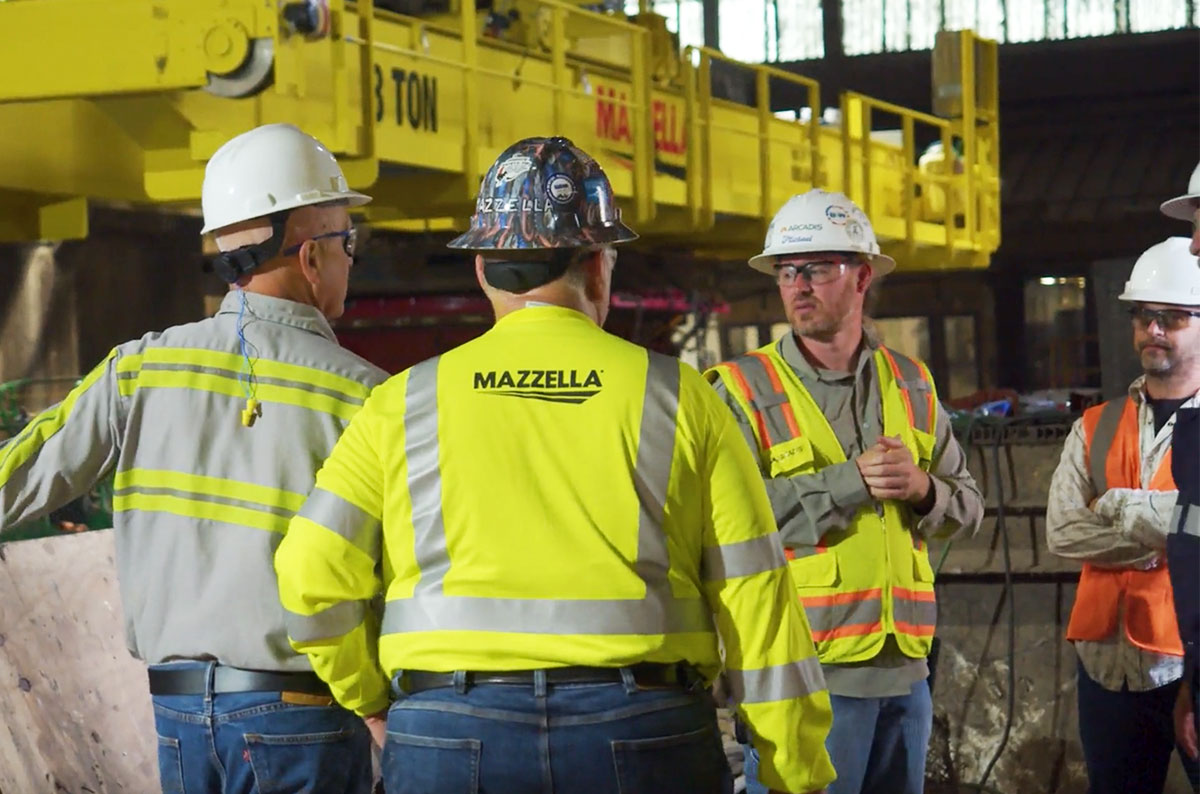
A practical decision framework starts with one question: What does crane downtime cost you per hour? Many maintenance managers already know this number or can estimate it with operations.
If downtime cost is high, predictive maintenance often becomes the most economical option over time because it reduces unplanned outages and supports scheduled interventions. If downtime cost is low and the crane is non-critical, a less intensive strategy may be appropriate.
Use these questions to guide selection:
How critical is each crane to production flow?
- Does the plant stop if this crane is down?
- Is there redundancy or an alternate path?
What is your breakdown frequency?
- Repeated breakdowns, even minor ones, often indicate the current strategy is failing.
Are breakdowns typically electrical nuisance issues or mechanical wear-out events?
- Electrical issues are commonly frequent and can often be reduced with better inspection and predictive tools like thermal imaging.
What is the consequence of failure for safety and operations?
- Pay special attention to components that can create immediate hazards if they fail.
Do you have internal capability to measure, trend, and act on condition data?
- If not, consider partnering with a third party or starting with preventative plus selective predictive elements.
How Do You Change Crane Maintenance Plans Without Overwhelming Your Team?
Jumping directly from reactive to a full predictive program can be costly and operationally difficult. Most facilities improve in stages.
A practical transition path is:
Stabilize with preventive basics
- Increase inspection cadence.
- Standardize lubrication and adjustment routines.
- Fix minor defects during scheduled inspections to reduce nuisance breakdowns.
Introduce condition-based measurements
- Replace ambiguous notes like “worn” with quantified measurements where possible.
- Begin tracking wear trends for key components such as brakes and wheels.
Add targeted predictive tools
- Use thermal imaging to identify hot spots and loose connections.
- Consider oil and grease analysis for gearboxes and other wear-prone systems.
Prioritize high-consequence components
- Treat wire rope and other critical load-path components as top-tier items for inspection quality and measurement discipline.
Build planning discipline
- Use the data to schedule repairs when it is convenient for production, not when a failure forces downtime.
Over time, the goal is to shift from “responding to failures” to “planning interventions.” Even if total maintenance spend does not drop immediately, planned spend is usually more manageable and less disruptive.
Can You Mix Overhead Crane Maintenance Strategies?
Yes, and for most companies, it’s often the most .
A production-critical crane can have a predictive maintenance plan in place, while a smaller jib crane can have preventive or even reactive maintenance if downtime is manageable, and safety risks remain controlled. This approach prevents overspending low assets while still protecting high-impact operations.
Comparison Table of Different Overhead Crane Maintenance Strategies
| Maintenance plan | What triggers maintenance | Core approach | Typical work included | Biggest strengths | Biggest drawbacks | Best fit |
|---|---|---|---|---|---|---|
| Reactive (run-to-failure) | A breakdown or obvious problem stops/limits operation | Fix it after it fails | Emergency service calls, troubleshooting, parts ordered after diagnosis, repair after downtime starts | Lowest upfront spend; simple to manage | Highest unplanned downtime risk; higher downstream costs (expediting/premium labor/repeat visits); increased safety exposure (especially with single-point-of-failure components like wire rope) | Non-critical cranes where downtime consequences are low (while still meeting required inspections and correcting hazards) |
| Preventive (scheduled) | A calendar/usage-based schedule (planned inspections/service intervals) | Find wear/issues before failure using routine, planned tasks | More frequent inspections, lubrication/greasing, brake adjustments, minor repairs during planned inspection windows | Fewer nuisance breakdowns; more work can be scheduled; improved reliability and safety vs reactive | Can be imprecise (“worn” without measuring how worn); intervals may be calendar-based; some issues (e.g., electrical hot spots/internal wear) may be missed without added tools | Strong baseline for most cranes; best first step away from reactive |
| Predictive (condition-based) | Measured condition/trends indicate approaching limits | Measure + trend + forecast: “how worn now, how fast, when to intervene?” | Quantified wear measurements (wheels/brakes), thermal imaging, oil/grease analysis, sensors (temp/vibration), consistent recordkeeping/reporting | Minimizes unplanned downtime; best scheduling around production; most value when downtime cost per hour is high | Requires discipline: consistent measurements, tracking, and ability to act, otherwise it’s expensive data collection | Production-critical cranes where downtime is costly and reliability is essential |
What Does A Successful Crane Maintenance Program Look Like?
A simple sign that your maintenance strategy is failing is a high number of breakdowns.
Conversely, successful maintenance plans will show up in multiple ways…
- Fewer emergency calls and fewer rushed repairs
- Predictable maintenance windows
- Better forecasting of parts and labor needs
- Reduced safety exposure from unexpected component failures
- Fewer electrical nuisance faults due to proactive identification of hotspots and loose connections
Which Crane Maintenance Strategy Should You Choose?
The three maintenance plans discussed are different philosophies on managing risk, cost, and reliability across a crane fleet.
Reactive maintenance can be acceptable for non-critical cranes where downtime is manageable, but they open the door for costly repairs and downtime. Preventive maintenance is a strong baseline that reduces nuisance breakdowns and helps you plan repairs. Predictive maintenance delivers the most value when cranes are critical to production and downtime carries a high hourly cost.
Every facility is different. Start by estimating the cost per hour of crane downtime and identifying which cranes are production bottlenecks. If unplanned outages create large losses or major operational disruption, predictive maintenance often costs less than the downtime it prevents.
We also know that you may need guidance in this process. Mazzella has been a leader in overhead crane maintenance for years, employing a full-time team of service technicians across the country. Our experts can work with you to honestly assess your operations and see what best fits your needs. Reach out them to learn more.