
Should You Repair or Replace Your Below-the-Hook Lifting Device?
Learn the major factors that determine whether your BTH device is repairable, what drives costs, how lifecycle affects your decision, and what to know before you send anything in.
Watch the full video on the Lifting & Rigging Channel:
Transcript
Should You Repair or Replace a Broken Lifting Device?
– When your lifting device breaks, should you repair it or replace it? In this video, we’ll help you make the right call so you don’t waste time, money, or effort.
My name is Ben and this is Lifting & Rigging Channel and today I’m joined by Dan Sherwood Below-the-Hook Specialist. He’s going to let us know when it’s time to repair your below-the-hook device or when it’s time to scrap it, start over, start fresh.
Common Reasons Lifting Devices Need Replacement
So Dan, what are the most common reasons that someone would need to have their lifting device replaced?
– A lot of times, it’s either like an overload situation where they picked up more than what the device could handle and they damaged something of it. It could be a misuse and they used a certain device in an application that it’s not designed for. I mean the other one is just straight up neglect. If they’ve had something that’s been sitting outside in the elements for years, rusting away.
What Should You Do Before Sending a Lifting Device for Repair?
– So just because it is fixable doesn’t necessarily mean it’s going to be worth fixing. So what are some of the things that people should consider before sending in their device for repair?
– Just because you’re sending a device in and it’s out of sight, out of mind for you. We have to put forth labor and time to, number one, inspect it, and number two, to store it somewhere. Before they put forth the money and the effort to send it to us, reach out to us. Pictures and as much information as you can give us to help you guys make that decision, is going to make this process so much easier.
When Is Lifting Device Repair No Longer Cost‑Effective?
And we talked about earlier the the neglect lifters, right? Those lifters that were kind of set outside starting to rust away and they start getting to that point where your punch list of things on the lifter you need to start repairing really starts to add up. So you’re almost doubling the amount of labor it takes to repair something as opposed to like if you just built it new.
Once we get to like 75% of what we feel the value of that lifter is, we’ll quote you the repair, but we’re also going to quote you new. You know, you can kind of start to make that decision. Do we want to keep moving forward with this device or do you want to just start fresh?
The smaller lifters that really don’t cost much up front, you’re going to spend as much if not more to repair it than you are just to totally start from scratch. When you get into the really big lifters, you know some of the big stuff the steel mills use, it’s going to be more cost effective to repair it than it is to really go into replace it.
You do have to take shipping into account of the repair, too, ’cause the bigger the lifter is, the more it’s going to cost.
What Can’t Be Repaired? No Tags, Overload, and Unknown Lifters
– What won’t we repair?
– So anything that is not properly tagged per the ASME B30.20 standard is completely off the table for us to repair. If there’s backup documentation you have where a tag might have got knocked off, and that’s something we can go back and try to find, you know, previous approval drawings, something that ties us back to what we call as a reputable manufacturer: Caldwell, a Harrington, a Peerless.
If you’re looking at it and you’re like, “Oh this kind of looks like a pile of junk,” could be best to not not repair it in a situation like that?
– Things we will repair, wear and tear, old age, stuff like that.
– And we’ve even repaired some misuse items. Let’s say they picked up something and it was over capacity for what the lifter was, and they broke a hook off. Doesn’t necessarily mean they damaged the rest of the lifter, but it also doesn’t mean that the rest of the lifter is fine.
You may not be able to see any physical damage to the rest of the lifter, but if, you know, let’s say the lifter was rated for five ton and they know they picked up 12 ton, we’re going to recommend you replace something like that.
Overloads, Misuse, and Hidden Damage in Lifting Devices
– What are the reasons why there’s a danger in trying to fix it?
– Yeah. Every lifting device has a lifespan based off of a design category in the service class, which designates how many uses it can have. We may not know exactly where that lifter is in its overall life cycle. Then it gets overloaded, misused to a situation where even if you can’t see it, it’s really risky. And the liability of taking that on and assuming that just ’cause it looks okay, it is okay, is too great to where we’re not going to put anybody’s lives at risk and trying to save a buck by saying, “All right, yeah, you know, we will repair that to get it back in.” We’re going to do what’s right, we’re going to make sure the device is sound, and we will stand behind it, that we’re going to be comfortable putting it back into the field.
How Do New vs. Repair Lead Times Compare for Lifting Devices?
– Is there a different lead time between buying new or repairing?
– It depends on the complexity of what it is we’re doing. Typically, we’re anywhere from, you know, six to 10 weeks for new builds. If we have to repair something that we didn’t necessarily make, it’s up to our engineers to go out and get all the measurements they need to kind of redesign the components that we have to replace. You might be able to shave off, you know, a couple weeks by doing a repair.
How Do Design Category and Service Class Affect Lifter Lifespan?
– Explain a little bit about the lifecycle of a lifting device and how does that play into should you repair it or should you replace it.
– It really all goes back to the design of the device. How many shifts are you using it on, and how many lifts per shift are you using it? So we want to make sure we’re able to design this lifter and rate this lifter so you can get about, at minimum, 10 years of life out of it under normal circumstances. And that all goes back into what its design category is and what its service classes, and all of those relate back to overall rated life cycles.
Zero to 20,000 is the lowest level as a service class zero. Above 2 million life cycles is what a service class four is used for.
What the device service class is took effect in 2008 when the BTH-1 standard came out. So there will be some legacy devices out there that don’t even have a design category or a service class tied to it, and those legacy devices are starting to kind of see the end of their lifespans. You’re probably going to want to replace those ’cause you don’t know where you are in your life cycle on that. And eventually after so many uses, something will start to fail. Usually if you’re keeping up with your OSHA inspections, you’ll start to catch, you know, the pre-failure sides.
How Do Lift Cycles per Day Determine the Required Service Class?
– In the standards. There is some guidance a little bit to help people determine what is the service life of their below-the-hook device.
– On the table B-3-1, it lists it out as lift cycles per day. For instance, if you’re using something you know 50 times a day and you want it to last you 30 years, you need to make sure that it’s getting designed at a service class three.
Really understanding how frequently you’re using something in a day will impact how it needs to be designed.
How Can Documentation Help Decide to Repair or Replace a Lifter?
– So if you have your documentation, then you can kind of work backwards so you know that it was designed for this service class, we know that it’s this old, therefore we can kind of look at it and say, “You know what, it’s getting towards the end of its life anyways.” Or, “Well, it’s got a lot of life left in it, let’s get it fixed.”
– If you’re keeping all your proper documentation with it, you know, hopefully somebody saved your approval drawing, and if not, that all that should be on your lifter, you know, the date, the month, and year it was manufactured, it’ll be on there. And then the design category in your service class.
Mazzella is glad to be here to help you in assessing whether or not you need to have something looked at to be repaired or replaced. And as always, we’re glad to, to take a look at everything, to help get your lifter back in service or to help you get a new lifter in there. You might even be able to make some tweaks and mods that you wish the other lifter could do.
– All right, well thanks Dan.
– Hey, thank you Ben. Appreciate the time.
– Appreciate it.
What’s Your Next Step for Lifting Device Repair or Replacement?
At the end of the day, lifter repairs can be cost-effective, but only under the right conditions. Now that you know what qualifies the device for repair as well as what disqualifies it, your next step is to talk with one of our specialists about your specific situation. Link below. We’ll help talk you through the most cost-effective decision so you can get back to lifting as fast as possible.
If you found this video useful, informative, entertaining, or you just feel like being friendly, then hit that like button so we can give this information out to everyone who needs it. If you have a question, drop it in the comments. And remember, safe rigging is smart rigging, my name is Ben. Stay safe out there.
When a below-the-hook (BTH) lifting device fails or stops operating the way it should, most people immediately ask the same question: “Should we repair it or replace it?”
The answer is not always obvious. And making the wrong choice can cost you money, put operators at risk, or delay your production schedule. Purchasing an engineered lifting device is a big decision, and you want to ensure you’re making the right choices to get the most out of your investment.
Based on years of repairing, rebuilding, and manufacturing BTH devices at Mazzella, there are clear indicators for when repairs make sense and when replacement is the safer and more cost-effective option.
This article will walk you through the major factors that determine whether your device is repairable, what drives costs, how lifecycle affects your decision, and what to know before you send anything in.
Table of Contents
- Should You Repair or Replace a Broken Lifting Device?
- Common Reasons Lifting Devices Need Replacement
- What Should You Do Before Sending a Lifting Device for Repair?
- When Is Lifting Device Repair No Longer Cost‑Effective?
- What Can’t Be Repaired? No Tags, Overload, and Unknown Lifters
- Overloads, Misuse, and Hidden Damage in Lifting Devices
- How Do New vs. Repair Lead Times Compare for Lifting Devices?
- How Do Design Category and Service Class Affect Lifter Lifespan?
- How Do Lift Cycles per Day Determine the Required Service Class?
- How Can Documentation Help Decide to Repair or Replace a Lifter?
- What’s Your Next Step for Lifting Device Repair or Replacement?
- What Causes Below-the-Hook Devices to Fail?
- What Makes Below-the-Hook Devices Non-Repairable?
- What Can Be Repaired on a BTH Device?
- The Hidden Costs of Repairing a BTH Lifting Device
- Does Repairing a BTH Device Costs More Than Replacing?
- How Lifecycle and Service Class Affect the Repair vs Replace Decision
- What to Do Before You Send Your BTH Device
- How Mazzella Helps You Choose Between Repair or Replace
- Frequently Asked Questions
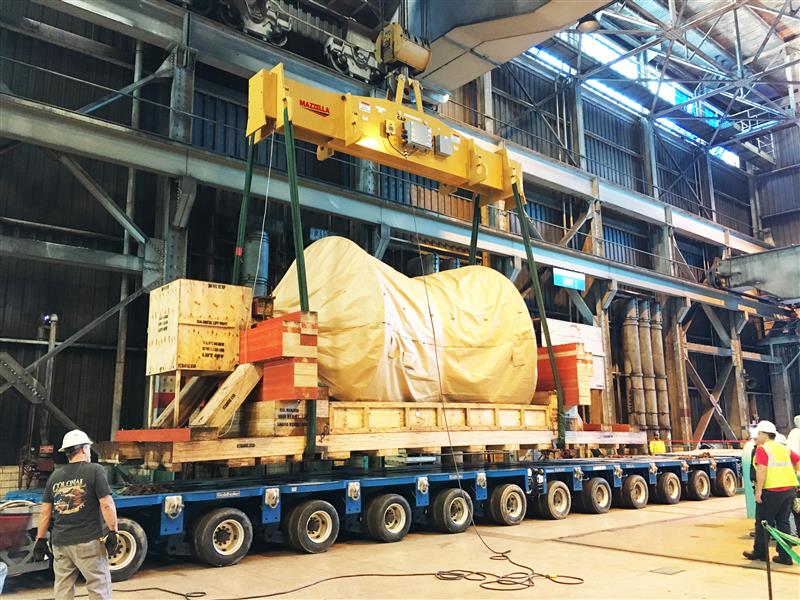
What Causes Below-the-Hook Devices to Fail?
Most repair or replacement decisions start with understanding what caused the failure. In the field, Mazzella sees the same issues repeatedly.
Overload
This happens when a device is used to lift more than its rated capacity. Overload events can damage structural members, bend hooks, stretch components, or silently introduce metal fatigue that cannot be seen by the naked eye.
Misuse
Misuse includes:
- Using the device in an application it was not designed for
- Loading the device at angles or in directions it was not engineered to handle
- Modifying or adapting the device in ways that change its load path
Neglect
Devices left outside or exposed to the elements can accumulate rust, lose lubrication, or develop pitting and corrosion that weakens its structure.
Normal Wear and Tear
Even well-maintained devices eventually wear down through repeated use. Common wear areas include pin holes, bail connections, hooks, and hinge points.
Knowing what caused the damage helps determine if the device can be safely repaired.
What Makes Below-the-Hook Devices Non-Repairable?
Not every damaged BTH lifter can be repaired. Some conditions automatically move you toward replacement.

Missing or Incorrect ASME B30.20 Tag
If the lifter is missing its required identification tag and the original documentation cannot be verified, Mazzella cannot legally or safely repair it. This includes devices without:
- Manufacturer name
- Serial number
- Capacity
- Design category
- Service class
Without a valid tag or documentation, the origin and design of the lifter cannot be confirmed.
No Documentation
If the tag is missing but the customer still has:
- Approval drawings
- Manuals
- Purchase records
- Engineering documentation
Mazzella can often trace it back to a reputable manufacturer. Without these, the device cannot be returned to service.
Our team often comes across homemade BTH devices that have neither documentation nor tags. We will not repair these types of devices.
Catastrophic Overload
If the device has been:
- Significantly bent
- Crushed
- Torn apart
- Visibly deformed
- Subjected to known overload far above capacity
It is no longer safe to trust the metal. Even if some parts look undamaged, the entire device may have been overstressed.
Severe Deformation or Compromised Structure
If the device looks like a pile of scrap metal, it should be treated like one. Repairs in these conditions often cost more than replacement and carry unacceptable risk.
End-of-Life Devices with Unknown Lift Cycles
Devices manufactured before the BTH-1 standard went into effect in 2008 often lack service class and design category ratings. These legacy devices may be approaching or well past their intended lifecycle.
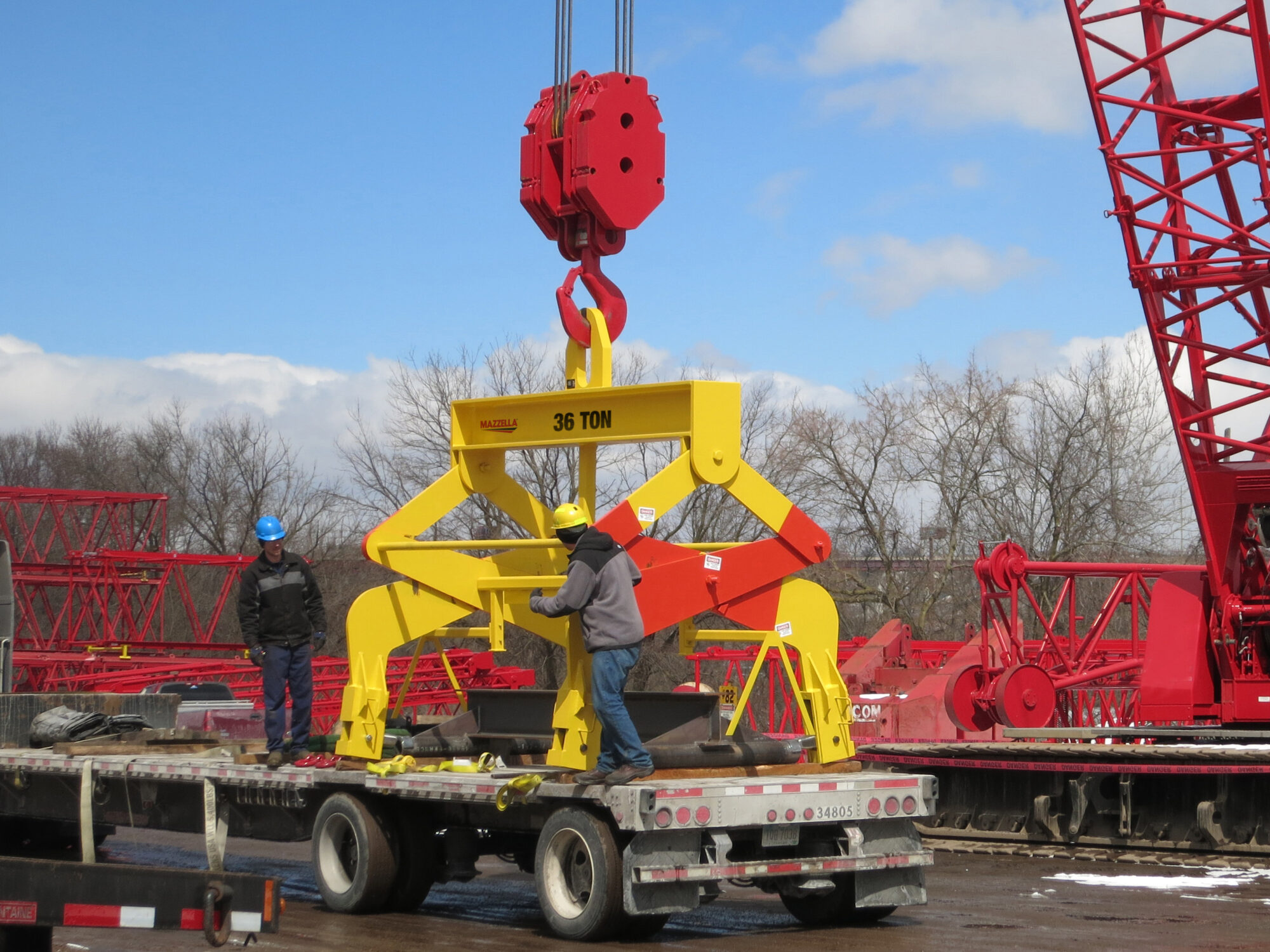
What Can Be Repaired on a BTH Device?
Many issues are still repairable if the device has proper documentation and has not been overloaded.
Common repairs include:
- Wear in pin holes
- Bale wear
- Hinge repairs
- Replacement of hooks or mechanical components
- Surface preparation and repainting
- Structural repairs on minor damage
In some misuse scenarios, a single component may fail while the rest of the lifter remains structurally sound. Mazzella will still perform a full engineering evaluation to ensure the entire device is safe before recommending repair.
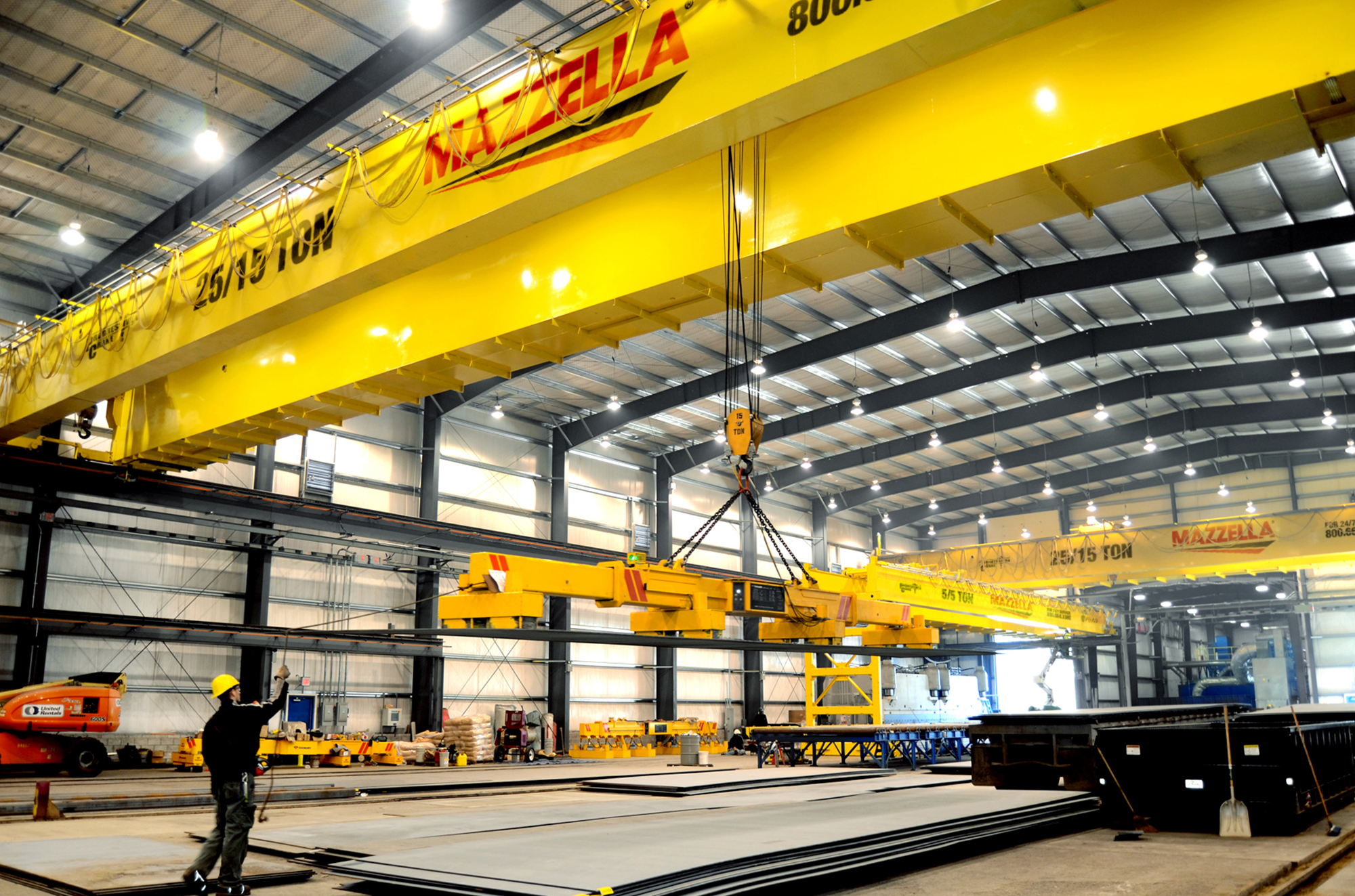
The Hidden Costs of Repairing a BTH Lifting Device
Those who send a BTH device in for repairs are often surprised by the cost. Inspections are not free, and before you send a device in, you should understand the costs associated with the process.
Labor Costs
Employees will be tasked with:
- Receiving and storing the device
- Tearing down components as needed
- Measuring and evaluating structural members
- Performing a thorough engineering review
- Providing a formal repair quote
Complex devices will also require significantly more time and labor.
Engineering Time
If the device was not manufactured by Mazzella, engineers must reverse-engineer dimensions and load paths to redesign replacement parts.
Material and Machining
Repairs may require:
- Custom machining
- Specialty steel
- Replacement hardware
- Precision fitting and welding
Shipping Costs and Storage Fees
Large lifters can cost several thousand dollars to ship both ways. This is often the hidden factor that pushes a repair over the cost of a replacement. You should also keep this in mind when purchasing new BTH devices.
When a device is sent in, it takes up valuable floor space in the shop. Long-term storage may incur a fee or require the customer to pick up the device.

Does Repairing a BTH Device Costs More Than Replacing?
There is a practical and financial point when replacement becomes the smarter option.
If the cost of a repair reaches approximately 75 percent of the cost of a new device, Mazzella will quote both options. This allows the customer to make the best decision based on:
- Remaining lifecycle
- Condition of the device
- Future service needs
A severely neglected device may have a long list of repairs. Once the number of issues and repair points grows, labor hours multiply.
Additionally, cutting apart large structural components and rebuilding them from scratch takes far more labor than assembling new components.
Heavy and Older Devices
The larger and heavier the lifter, the higher the freight bill. This can turn a simple repair into an expensive project.
Devices built before 2008 that lack service class and design category information are often near the end of their intended life. Replacing them is usually the safer long-term choice.
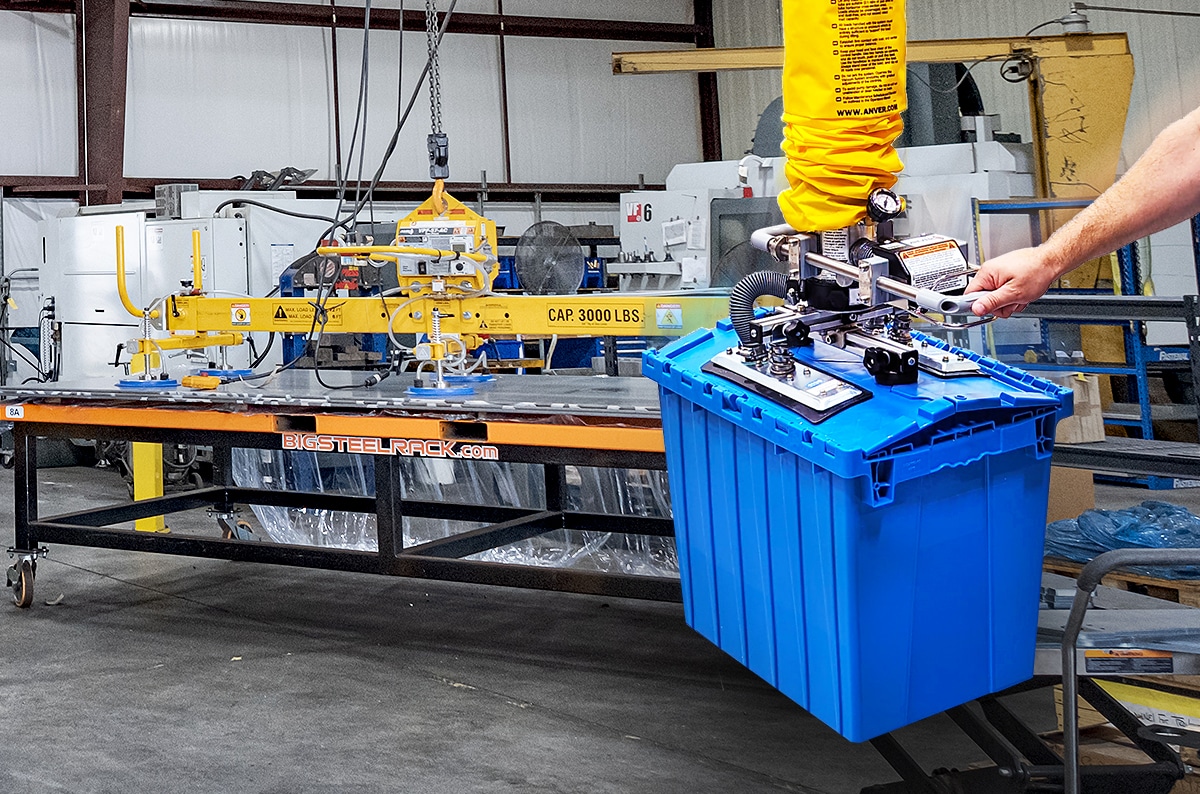
How Lifecycle and Service Class Affect the Repair vs Replace Decision
Every lifting device has a finite service life based on their design category, service class, and estimated number of lift cycles. Even when a device looks fine externally, metal fatigue may be accumulating.
Most facilities do not track individual lifts. The standard uses approximate lifts per day to determine what service class is needed. If you know the age of the lifter, the number of shifts, and approximate lifts per shift, you can calculate the BTH device’s remaining life.
If a device is old enough to be near the top of its lift cycle range, showing signs of wear, missing documentation, or in a critical workflow with high usage, replacement is often the safer long-term investment.
What to Do Before You Send Your BTH Device
You can save time and money by doing a few things before shipping a device in.
1. Send Photos of Device
Share clear photos of the damaged areas of the device, identification tags, and side and top views. These images will allow the engineers to determine if repair is even possible and prepare ahead of time.
2. Provide Context, and Have Clear Answers
Share what happened with your contact.
How did the damage occur? Do you think the device was overloaded? How old is the device, and when was it inspected last? How often do you use it?
3. Gather Documentation
Example of documentation include:
- Approval drawings
- Manuals
- Purchase information
4. Request an On-site Assessment
A Mazzella representative can often determine viability without requiring you to ship the device.
How Mazzella Helps You Choose Between Repair or Replace
Mazzella is equipped to help you make the safest and most cost-effective decision.
We can:
- Review photos before anything is shipped
- Perform detailed engineering inspections
- Provide repair and replacement quotes side-by-side
- Offer recommendations based on safety, lifecycle, and cost
- Redesign or upgrade older devices to improve performance and usability
Reach out to one of our experts to learn more about your options.
Frequently Asked Questions

Copyright 2025. Mazzella.