
How Much Does a Lifeline Inspection Cost?
Learn how much a lifeline inspection costs, what affects pricing, and when you need a Professional Engineer review.
Schedule your lifeline inspection today!
Watch the full video on the Lifting & Rigging Channel.
Transcript
Intro: What You’ll Learn About Lifeline Inspection Costs
– How much does a fall protection lifeline inspection really cost? How can you estimate what you’ll pay to have the lifelines inspected at your facility? Today, we’ll break down exactly what you can expect to pay, what’s included, what can increase or decrease the price, and how to estimate your budget based on your fall protection systems.
My name is Ben and this is The Lifting & Rigging channel. And today, Mazzella Fall Protection Division Manager, Hillari Frost, joins us to help break down inspection pricing for engineered fall protection systems and lifelines.
Why Costs Vary for Lifeline Inspections
– It’s a varied expense. So it’s hard to give you a full driven number that says this is exactly how much it’s going to cost. So there’s multiple different factors that go into it. The number of systems you have, the length of those systems, the type of the system, the aerial lift needed or not needed or supplied by the customer or supplied by Mazzella, whether you have soft goods that also need to be inspected, has the system been inspected prior? Do you have the engineering documentation that shows that the structure can support the load of the system and a downward force if someone were to fall?
So super varied can go anywhere from a very small amount to a very large amount.
Standard Inspection Pricing: Typical Range and Drivers
If you’re looking at a standard inspection and you’re saying it’s just one system with a couple of soft goods, you’re probably looking somewhere in the range of $400 to $500.
P.E. Inspection Pricing: When an Engineer Is Required
If you start moving into a P.E. where an actual engineer has to come out and they inspect the structure and they do the documentation and do the actual visual inspection themselves, then you’re looking anywhere from the range of $2000 up to $10,000 based on all those factors that we said previously.
What Factors Increase Lifeline Inspection Price?
On a standard inspection, what would drive that cost up would be the number of systems that you have that need to be inspected, the length of those systems, whether we’re going to be supplying the man lift, if necessary, or whether the customer is going to be supplying the man lift.
And then when you go to the P.E. side, it really depends on if you have structural drawings of that building and they’re current. A million things that could be going on behind the scenes. So what those engineers come out and do is they really look at the structure and inspect, you know, supporting beams that are holding it up, look for cracks in your foundation, because all of those things can cause your system to have a loss of integrity.
How Can You Reduce Lifeline Inspection Cost?
So number one is, if we’re looking from a standard inspection side, is that if the customer’s supplying the aerial lift, that’s going to be a huge cost savings to them. If we have free and clear access, which means we are not delayed waiting for things to be moved out of the way for us to do these inspections, that drives the cost down as well ’cause those costs are typically based on an hourly rate.
So when you go to the P.E. side, it’s almost the exact same. The only difference where you would have a cost drive down that is not based on what we talked about in standard is if you have structural drawings. And if that system was installed within the past couple years and there’s been no huge natural disasters.
Can Bundling Inspections (Rigging/Crane/Rack) Lower Your Cost?
– Anything, like, could you bundle your rigging inspections, crane inspections, does that help drive the price down at all?
– Yes, absolutely. On a standard side. So on a P.E. side, that wouldn’t really drive any of that down. So, from a standard size, if you want to bundle your crane and hoist with your rigging, with your rack and fall protection, your cost is driven down because you’re having it all bundled together, and it’s all being done at the same time.
Inspection Approach: Mazzella’s Hands‑On Method
A lot of companies take the term visual inspection to be just that, “visual” inspection, whereas Mazzella will take the time to run an entire line, both visually, but by hand as well.
So there’s sometimes, especially on wire rope, where if you’re doing a visual inspection and you’re really not really taking the time to touch that line and feel that line, there’s a possibility for you to miss bird caging on the other side of it. It’s possible for you to be missing nicks in that line. So we take the time not only to visually look at the line, but we also feel the components.
Standard Lifeline vs. P.E. Certification Inspections
The major difference is if it’s going to be a standard inspection, it will be one of Mazzella’s technicians. If it’s going to be a P.E. inspection, that’s typically outsourced with one of our partners.
If you’re looking at which one you might need or which one is best for you, Mazzella typically will guide you in the direction of which one you need especially, ’cause one of the first questions that we’re going to ask when you come to us asking for us to quote you an inspection is, when was the last time the system was inspected? Has the system ever been inspected? When was it installed? And do you have structural drawings that show that your structure can support the load of a downward fall on that system?
We’re going to guide you one way or the other. And again, I mean our suggestion really is about every three years to have a P.E. do that inspection.
What’s Included in a Lifeline Inspection?
You get our certified inspection team comes out and does those inspections for you, which is inclusive of the systems, any soft goods associated with those systems. And then after that, you’re going to get a report. Our reporting is done digitally and those reports can be given to you in two hours.
How To Prepare for a Lifeline Inspection
Free and clear access. That will drive not only drive your costs down, but it makes those inspections go smoother. Also, if you can bring all of your soft goods to one central location, or at least, all the ones not in use, that assists with getting those inspections done quicker.
Why Choose Mazzella for Lifeline Inspections?
We have our specialists who have well over 75 years of experience among us, and we do inspections when we deem it necessary. And we bring in our service team. Now we have service technicians across every location who are competent and can do these inspections. And we also can bundle those inspections. So you’re not just getting fall protection, you’re going to get your fall protection, you’re rigging, you’re racking. We’re more of a one-stop shop.
What Are the Risks of Skipping Lifeline Inspections?
OSHA, it would be your biggest one, right? If you don’t have those systems inspected annually or more based on manufacturer spec, you run the risk of OSHA fines. You run the risk of somebody getting hurt.
I mean, so, a lot of these systems that we have, have tension indicators on them and they have tensioners. Those tensioners, over time, can loosen and loosen and lines become slack. And what you originally calculated as your fall clearance is now no longer your fall clearance. So if you didn’t put a safety zone in place that was large enough, you’re potentially putting your workers at risk.
You add on top of that lost time, over time, because now you have to pay other workers to make up for that worker, medical bills, I mean, the list goes on. From a direct cost that you can visually see would be really your OSHA fines, right? And whatever that medical cost is. When you start looking at indirect glitches, loss of production, and those factors, I mean, you’re looking at needing to regain $3 million plus in revenue on top of what your revenue goal already was.
How to Schedule a Lifeline Inspection and Next Steps
– Now hopefully you have an idea about how much a fall protection lifeline inspection costs, and you can estimate approximately how much you can expect to pay for your company. If you’re ready to schedule your inspection or if you want more details, click the link in the description below.
Mazzella can help with all your inspections, whether that’s pallet racking, rigging, overhead cranes, or engineered lifeline systems.
If you found this video useful, informative, entertaining, or you just feel like being friendly, then hit that like button so we can get this information out to everyone who needs it. If you’ve got a question, drop it in the comments, so we can get you an answer. And remember, safe rigging is smart rigging. My name is Ben, stay safe out there.
If your facility uses fall protection systems, inspections are not optional. OSHA and ANSI both require annual inspections for fall protection systems—and more frequent checks after any incident.
Lifeline systems are often out of sight and overlooked until an inspection reveals how much maintenance they truly need.
But the question most safety professionals and maintenance managers have is simple: What does a lifeline inspection actually cost?
The answer depends on several variables: how your system was designed, what documentation exists, where it’s installed, and whether a Professional Engineer (P.E.) needs to be involved.
Understanding these factors helps you plan budgets more accurately, avoid unexpected charges, and ensure full compliance with OSHA standards.
Here’s what our article will cover:
- Typical pricing for lifeline inspections
- The difference between a service inspection and a P.E. inspection
- What affects pricing and how to manage costs
- What’s included in a standard inspection
- How to prepare your facility to save time and money
- What happens after an inspection
- How often inspections are required by OSHA
- The true cost of skipping inspections
What’s the Typical Cost Range for a Lifeline Inspection?
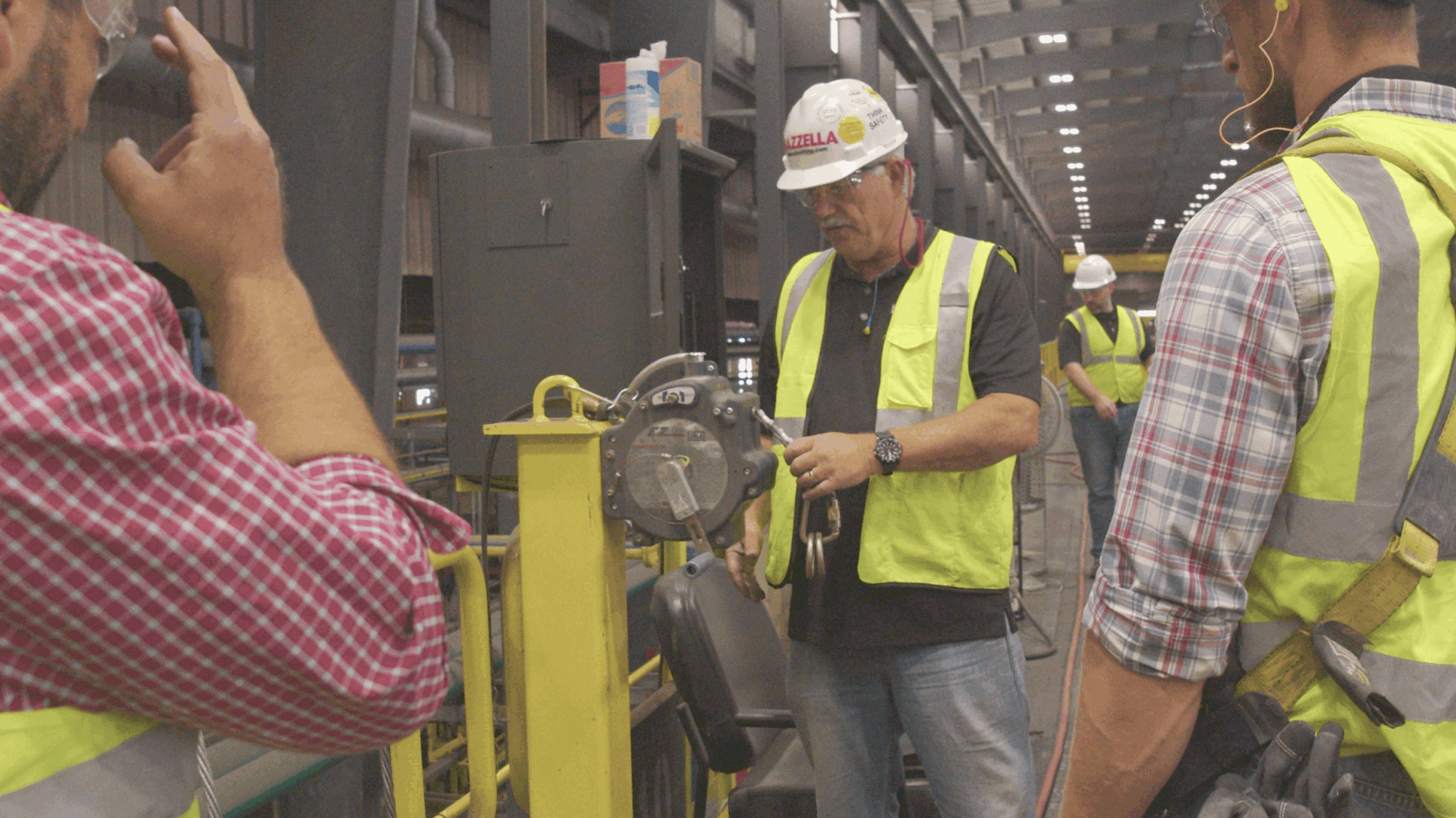
Across industries, most lifeline inspections range between $500 and $10,000. The lower end of that spectrum applies to short or straightforward systems that can be visually inspected by trained service technicians. The higher end applies to large, complex systems that require analysis or recertification by a licensed Professional Engineer.
The inspector examines the hardware, connection points, and line tension, confirms the energy absorbers are functioning, and ensures there are no signs of wear or corrosion. These inspections are most common for systems that were professionally installed and already have engineering certification on file.
Costs Involving a P.E. Lifeline Inspection
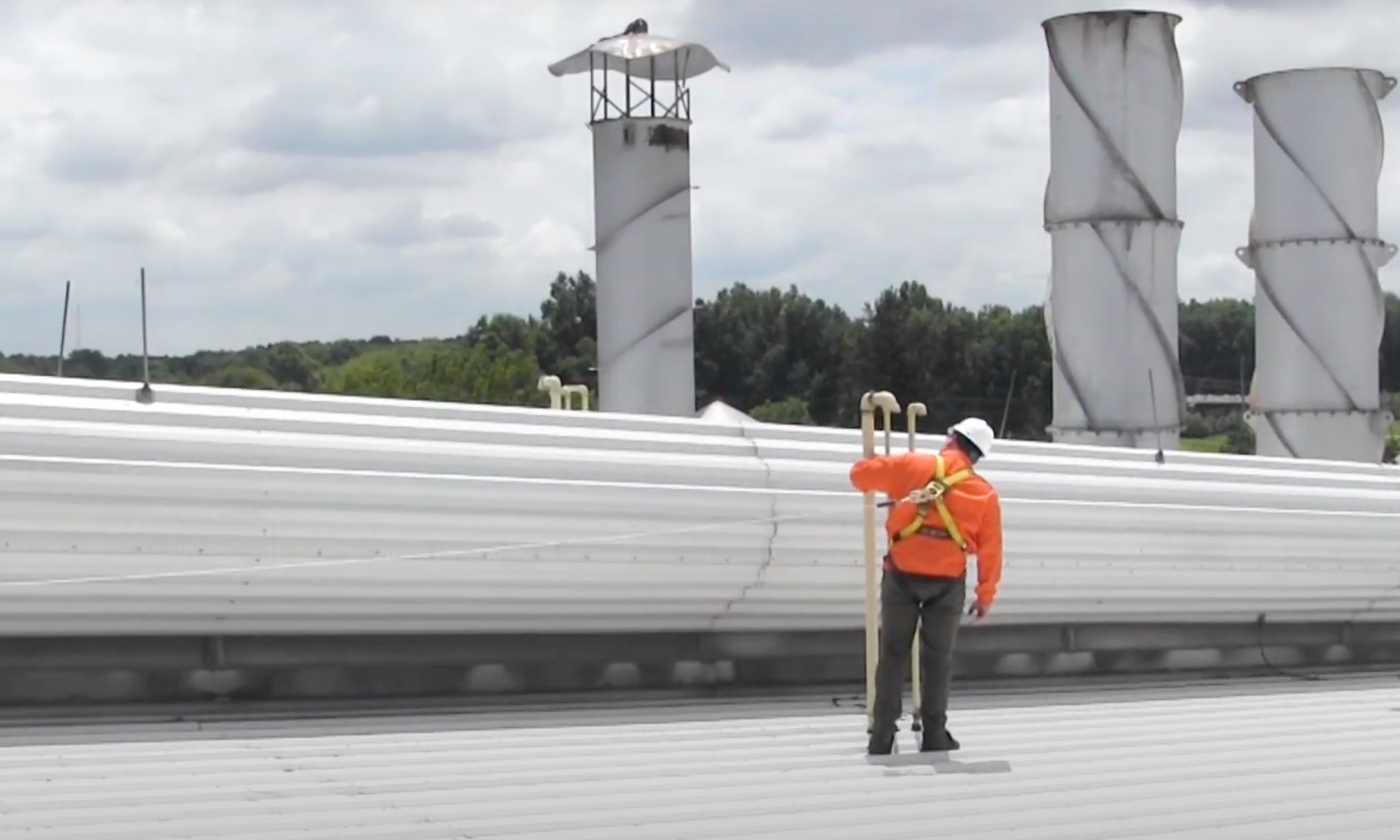
A P.E. inspection, by contrast, ranges from $2,500 to $10,000, depending on complexity and scope.
A P.E. review is required when there are no original drawings, load calculations, or certifications proving the structure can handle the required 5,000-pound fall-arrest load. This level of inspection includes both an on-site review of the system and an engineering analysis verifying that the lifeline and its supporting structure are safe for use.
In practice, most facilities fall somewhere in between. A single-line system might be inspected for $800, while a large multi-bay plant with 10 or more systems could exceed $5,000. Facilities that require a new engineering report, post-incident inspection, or drone-assisted documentation may reach the top of the range.
What Determines the Price of Lifeline Inspections?
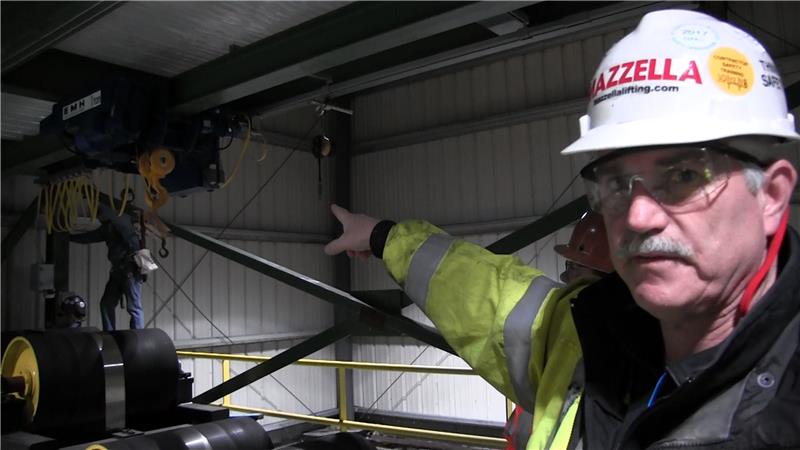
Several factors influence where an inspection lands within that range. While labor time is a key driver, there are deeper reasons behind the cost.
1. Documentation and Engineering Records
If you can provide structural drawings or certification records from the original installation, inspection becomes straightforward. Without that documentation, the inspection team must treat the system as uncertified.
This often triggers a P.E. review to verify that the structure can withstand fall loads without failure. Systems built years ago or by in-house maintenance teams often lack this paperwork, which is why so many fall protection programs begin with a baseline engineering assessment.
2. Number and Type of Systems
Each independent lifeline, anchor, or rail system must be inspected, tagged, and recorded. A facility with one short horizontal line on a roof will pay less than a rail yard with multiple tracks and suspended systems spanning hundreds of feet. The more systems there are, the more hours are required on site.
3. Accessibility and Environment
Some systems are easy to reach; others are not. Lines located over production equipment, tanks, or moving machinery may require lifts, scaffolding, or confined-space procedures to access. If the environment is corrosive or outdoors, additional safety considerations may also add to the scope.
4. Soft Goods and Connected Equipment
When a lifeline inspection is scheduled, inspectors often evaluate the associated harnesses, lanyards, and self-retracting lifelines as part of the same service. Consolidating these inspections is efficient, but if soft goods are scattered across multiple buildings, gathering them can increase time on site.
5. Travel and Site Requirements
For remote facilities, travel costs, site orientations, and mandatory safety classes can affect total pricing. Many large industrial clients require on-site training or orientation for all vendors. If that training takes several hours, it may be factored into the hourly service rate.
What’s Included in a Lifeline Inspection?
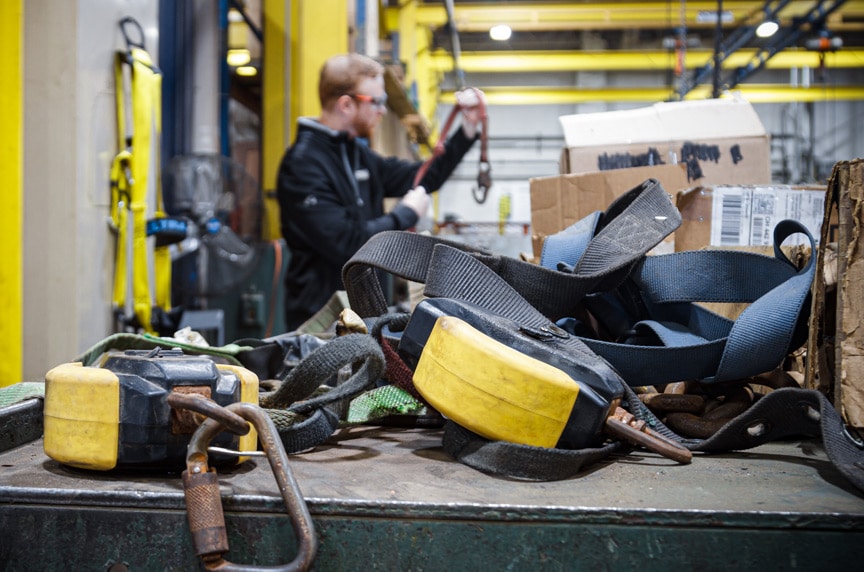
Every inspection—whether performed by a technician or a Professional Engineer—includes a combination of visual review, functional testing, and documentation. The goal is to verify that each component is in good condition and that the system will arrest a fall safely if activated.
During a standard service inspection, technicians examine the lifeline’s cable or webbing for signs of wear, corrosion, cuts, or fraying. They check that anchors, energy absorbers, and tensioners are secure and undamaged. Self-retracting lifelines are tested to confirm smooth extension and retraction and immediate locking under sudden load. Connectors, snap hooks, and carabiners are reviewed for deformation or sharp edges.
Any component that fails visual or functional testing is tagged out of service immediately. The inspector records serial numbers, manufacturer names, and conditions for each item and prepares a digital or paper report summarizing all findings.
A P.E. inspection goes one step further. After the physical review, the engineer evaluates the structure’s ability to support the required fall-arrest load.
If necessary, the engineer may use existing blueprints, field measurements, or drone imagery to verify load paths and connection points. The result is a signed certification letter stating whether the system meets OSHA 29 CFR 1910 Subpart D and Subpart I, along with any corrective actions needed for compliance.
What Can Increase or Decrease the Price of a Lifeline Inspection?
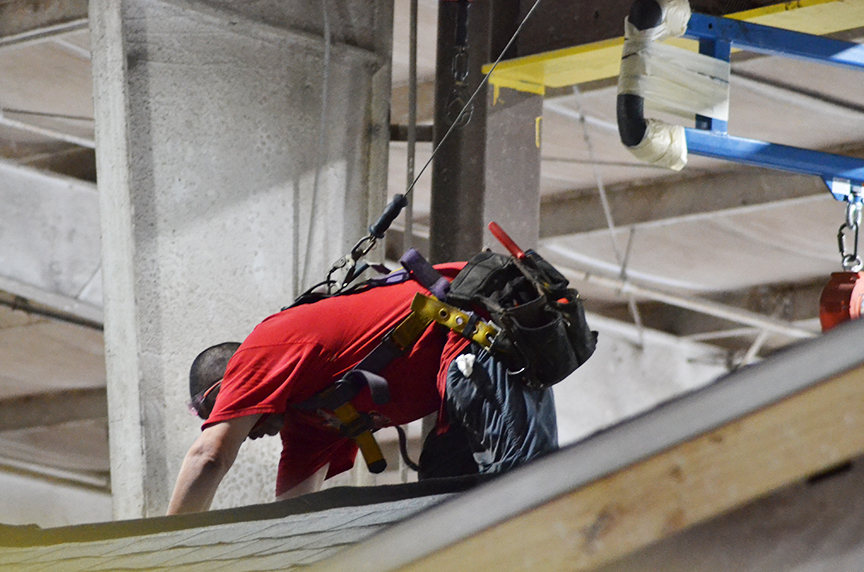
Preparation has a direct impact on cost. Facilities that know exactly where each lifeline and piece of gear is located will spend less on labor than those where inspectors must hunt down equipment. When all harnesses and SRLs are collected in one central area, technicians can complete inspections efficiently and move through the site without delays.
Access is another cost driver. If production areas are still active when inspectors arrive, they may have to wait for clearance, shut down machinery, or bring in lifts. Idle time increases total cost, even if the inspection itself is straightforward. Providing clear access to the equipment and ensuring the necessary aerial lifts or ladders are available will prevent unnecessary delays.
Location and Scheduling
Location plays a big factor in pricing as well. Remote or out-of-state sites typically include travel and mobilization costs. For customers in high-density regions where service technicians are nearby, rates are often lower because travel time is minimal.
Companies that schedule inspections at the same time as crane or rigging services can further reduce expenses by sharing the same crew and eliminating a separate trip.
What’s Not Usually Included in a Fall Protection Inspection?
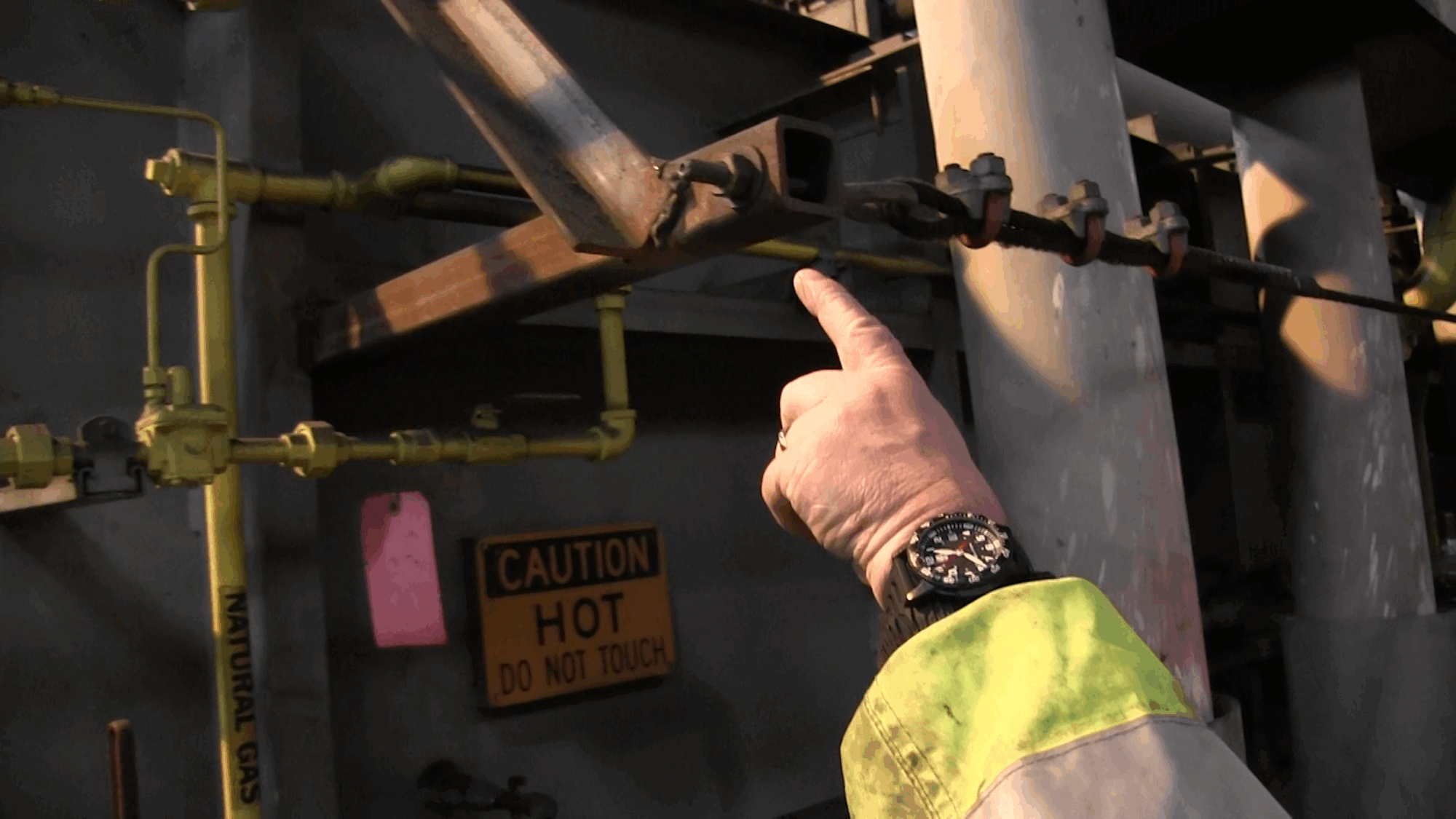
Most quotes for lifeline inspections are comprehensive, but certain conditions fall outside standard pricing. Delays of more than 30 minutes due to access restrictions or production conflicts can incur extra time charges. Emergency or after-hours inspections—when a system must be cleared immediately for work to continue—may involve higher service rates.
If inspectors discover additional systems on site that were not part of the original quote, those will be added to the invoice based on the same hourly rate. Likewise, large facilities that require multiple days or additional equipment rentals (such as manlifts or scaffolding) may see those items listed separately.
How to Prepare for a Lifeline Inspection
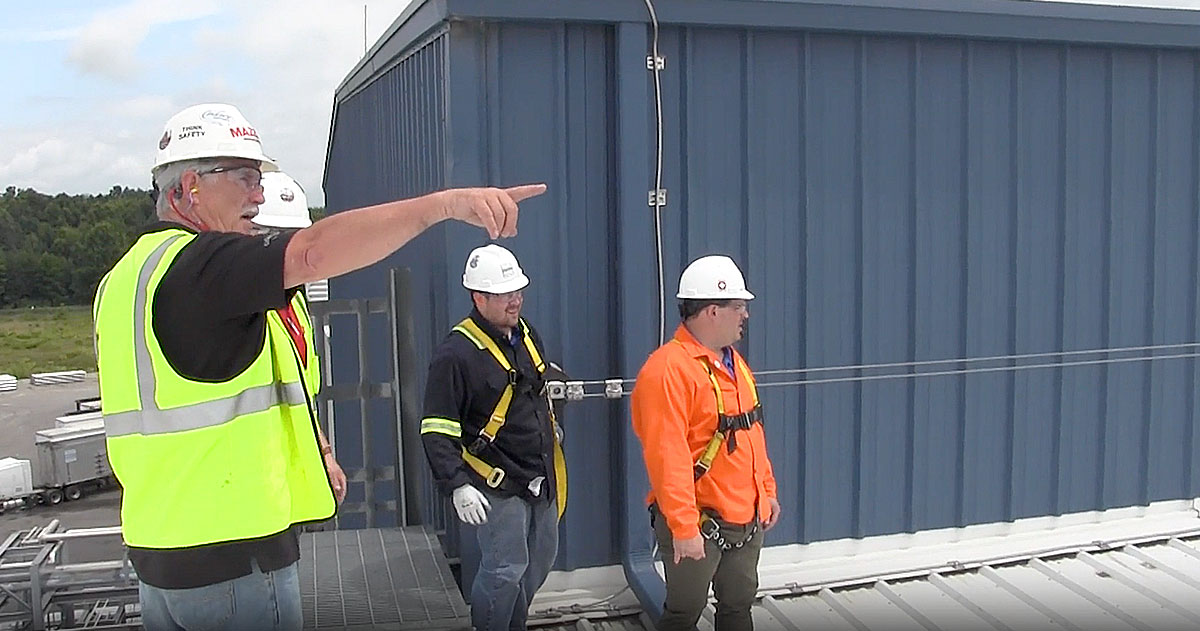
To control costs and minimize disruption, preparation is key. A well-organized facility can cut inspection time nearly in half. Before scheduling:
- Make a complete list of all fall protection systems, including the manufacturer, location, and date of last inspection.
- Ensure all documentation, drawings, or certification records are accessible.
- Confirm that lifts or ladders needed for elevated systems are available and operational.
- Designate a representative to accompany inspectors and provide access to restricted areas.
- If possible, consolidate soft goods such as harnesses, lanyards, and SRLs in one location.
The better organized a site is, the smoother the inspection process will be—and the lower the final cost.
What Happens After a Lifeline Inspection?
Once the inspection is complete, you’ll receive a detailed report outlining which systems are compliant and which require corrective action. Components that are damaged or uncertified will be tagged out of service. The report typically includes photos, test results, and notes about any deficiencies found.
For systems that fail inspection, a follow-up quotation for repairs or re-certification is usually provided. Some companies choose to repair immediately, while others schedule it during their next maintenance cycle. Either way, the inspection report becomes your official record of compliance, demonstrating that the company has taken reasonable steps to maintain a safe work environment.
Payment is typically issued after the final report is delivered. Most vendors invoice only after the customer has received the documentation verifying the inspection was completed.
How Often are Lifeline Inspections Required?
Under OSHA’s Walking-Working Surfaces standard (29 CFR 1910 Subpart D) and the ANSI Z359 family of standards, fall protection systems must be inspected by a competent person at least once every twelve months and immediately following any incident that subjects the system to fall forces.
If a fall occurs, that system must be removed from service and re-inspected before it can be used again. In these cases, a Professional Engineer is often required to re-certify the system, since the structural integrity of the anchorage or supporting frame may have been compromised.
Even if no incidents occur, keeping to an annual schedule is essential. Over time, metal components can corrode, cables can lose tension, and anchors can loosen due to vibration or weather. Regular inspection ensures small issues are corrected before they lead to failure.
The Cost of Doing Nothing
Neglecting required inspections carries far greater financial risk than performing them. OSHA penalties for fall protection violations often exceed $15,000 per citation, and repeat offenses can multiply those costs quickly. But fines are only part of the story.
A single workplace fall can result in lost-time injuries, medical expenses, and legal costs that exceed several million dollars. Industry data suggests that a serious fall-related injury can cost more than $3 million when factoring in lost productivity, worker replacement, training, and indirect administrative expenses.
Beyond compliance, inspections protect your employees and your reputation. Customers and contractors increasingly expect documented safety programs as a condition of doing business. A current inspection record demonstrates that your company takes those expectations seriously.
Making Lifeline Inspections Part of Your Safety Budget
The cost of a lifeline inspection is small compared to the risk of an unverified system. A few thousand dollars a year can prevent millions in potential losses, injuries, and fines.
For companies with multiple facilities, creating a centralized inspection schedule ensures consistency and simplifies documentation. Many organizations now use digital asset management tools that track inspection history and automatically remind teams when re-certification is due.
Ultimately, a proactive inspection program sends a clear message that worker safety is a priority for your organization.
Final Thoughts on Lifeline Inspections
The cost of a lifeline inspection depends on scope, system design, and certification needs, but most fall between $500 and $10,000. Whether handled by a service technician or a Professional Engineer, inspections provide tangible value by maintaining compliance, preventing accidents, and ensuring your fall protection systems are ready when they’re needed most.
For large facilities or those with complex systems, planning ahead and maintaining accurate documentation will minimize costs and maximize safety. Investing in regular inspections protects not only your equipment but also your people.
At Mazzella, our in-house team of fall protection professionals are here to help. Contact our team to schedule and inspection.
Keep safety top of mind with Mazzella’s Fall Safety 101 Infographic Poster. It breaks down OSHA height requirements, key components of a fall protection system, and the hierarchy of controls to help your team stay compliant year-round.

Copyright 2025. Mazzella.