
The Process of Ordering a Crane: Engineering, Fabrication, and Installation
Ordering a crane is no small task, and that's still true even after you sign the contract. In the finale to our series on ordering overhead cranes, we will cover what you can expect in the designing, installing, and manufacturing stages of ordering an overhead crane.
Transcript
Intro
– So you’re thinking about purchasing an overhead crane, it’s a big expensive decision. So of course you want to know every step of the process so you can accurately plan and feel prepared when the time comes to make the purchase. In our last video, we walked you through everything you need to know about getting an overhead crane quoted. If you missed that video, you can check it out here. Today, we’ll walk you through the steps once you’ve signed the contract and the project begins.
What Are the Milestones of an Overhead Crane Project After the Contract Is Signed?
– My name’s Cory Bradley. I’m Regional Manager of Project Management and Engineering here in the Great Lakes region. So the significant milestones on a project are going to be the approval drawings, the engineering, and fabrication, and installation.
Approval Stage
How Does the Approval Process Work When Buying an Overhead Crane?
So the way the approval process works with Mazzella is we meet with the customer and if it’s an existing building, we will go out and take measurements of the existing building and make sure that the crane’s going to fit in the customer’s building, not only in the allotted space, but also we will show hook coverage to make sure that you know, the equipment that the customer’s buying is going to meet their production, maintenance, safety needs, whatever it might be. When we’re making our site visit to gather our measurements, it’s important for us to have access to the whole area that the crane system will be installed. And that might mean that the customer might have to put a break in production for a couple hours and turn off the power to the crane for us to be able to take our measurements and get everything we need.
So if it’s a new building, our approval process is a little bit different. We’ll deal with the building designer or engineering company to get the new building drawings and from there we could lay our crane system into that.
Can Revisions Be Made to My Crane Approval Drawings?
Making revisions to approval drawing is not an issue. We want to make sure that we’re doing our part in pushing the projects along, so we try to turn around revisions as quickly as possible.
What Should I Know About the Overhead Crane Approval Process?
So the way that Mazzella helps the customer through the approval process is we provide the drawing of the crane in their building, but we can explain a lot of the dimensions that are shown in that drawing and point out the critical dimensions based on what the customer’s needs are. The other crane companies, they’ll provide a approval drawing to the customer and from that point it’s the customer’s responsibility to make sure that all those dimensions are correct and the crane’s going to fit. We take a more hands-on approach where we don’t just send a drawing to a customer and ask them to sign off on it. We’ll make sure that the crane will fit, but we need the customer to verify the hook approach, voltage, things like that, that the customer knows better than we do as far as the purpose of that crane and what it’s intended to do.
The parties that’ll be involved in the approval process on the customer side, it ranges depending on the need of the crane. Generally it is usually maintenance or production or safety personnel. Sometimes it’s all three. So the main point of contact for the customer after they place the PO or a contract is going to be our project manager. We’re seeing the projects through the turnover to the customer but that doesn’t mean the account managers and the specialists aren’t still involved. We want to make sure that everybody that was involved on the sale of the crane is still involved during the project. During this time, you know, there’s probably an average two to three times a week, whether it’s an email or a phone call, being in touch with someone from Mazzella on making sure that the crane system is being designed as needed by the customer.
Engineering Stage
What Should I Know About the Engineering Process of an Overhead Crane?
So during the engineering phase of the project, the project manager and the customer stay in contact, but it’s basically just updates on schedule, if anything changes. Based on when they sign the approval drawings, a couple weeks later, we’ll get them a ship date or an install date. If anything changes during the engineering phase, that’s when we’ll reach out and let the customer know.
There more than likely isn’t going to be any revisions to the drawings but if they are, they’re usually pretty minor and we will provide an as-built drawing of the system. The engineering phase varies because the items can be off the shelf items to build the crane or they could be very long lead items. So if we’re talking a crane system with an off the shelf hoist, you know, we could be looking at five to six week turnaround, that’s usually the quickest. The contact you could expect with a project manager from Mazzella would be if any dates with the installation or fabrication changed. We’re still keeping the sales team, the account managers in the loop and how things are progressing.
Fabrication Stage
So after the engineering phase, that’s when we move into the fabrication phase. During the fabrication phase, we are taking the components and materials that were ordered for the crane and we’re assembling the crane, testing the crane in our shop and building a runway if that’s part of the scope.
How Long Does It Take To Fabricate My Overhead Crane?
The fabrication phase time depends on size of the system obviously, and based on the lead time of the components. For our standard cranes, I would say it’s a two week turnaround time once we receive all the components but if it’s a more complicated crane, it could be three to four.
What Do I Need To Know About the Overhead Crane Fabrication Process?
There typically isn’t any additional cost that a customer might see. When there are additional costs applied to a project, it’s usually during the approval process and that’s because of a change in scope.
So during the fabrication, a customer can send emails, phone calls. I get texts from customers just to see where we’re at on production and our ship dates. But you know, if a customer wants weekly updates, we could do that. We’re available for whatever the customer needs as far as updates.
What Happens Once My Crane Is Ready To Be Shipped?
While we’re fabricating the crane, there’s correspondence between the project manager and the customer confirming that the customer’s going to have power ready for the crane system when it gets shipped and is installed as well as clearing out area where the crane system’s going to be installed to allow our installation crew to work as well as bringing the crane and runway into the building and designated staging areas.
Installation Stage
How Does the Installation Process Work for an Overhead Crane?
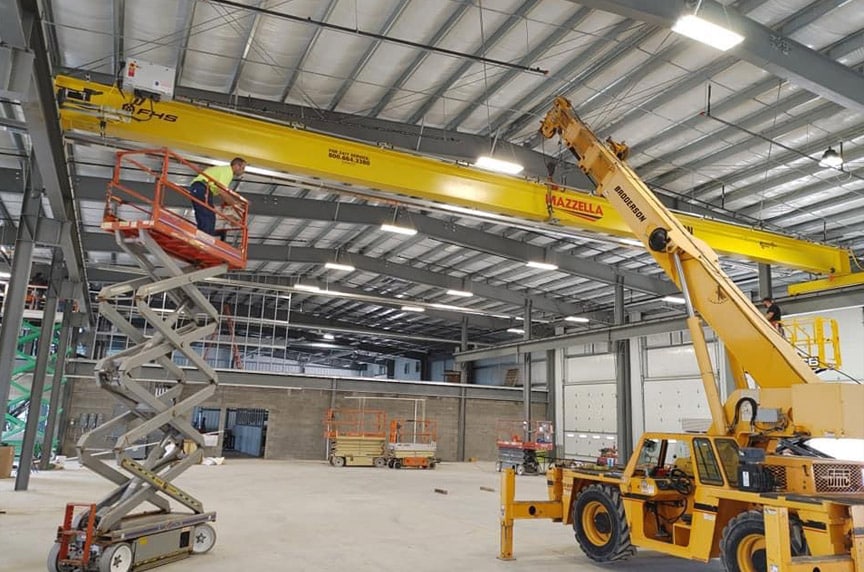
So after the fabrication stage, we move on to the installation phase of the project. Prior to the install happening, there’s going to be a site visit or a conversation with the project manager regarding what we’ll need for the installation to go smoothly. And it’s typically designated areas for access to the building and staging areas. For the installation of our projects, the customer doesn’t have a whole lot of responsibility when it comes to the logistics of the crane systems. We typically arrange freight. We like to schedule the arrival of the cranes for when our installation crews get to the job site. So they are the ones handling the equipment. They’re used to rigging and lifting these pieces so we can prevent some damage to equipment. Prior to the installation, we ask the customers to make sure that the area is cleared out as much as possible to allow our installers as much free access as possible.
If a customer would like us to ship a crane for them to stage on site for any reason, we do that. But typically we try to schedule our fabrications for the cranes to finish fabrication and be installed immediately. Less chances of things getting damaged and parts go missing.
During the installation phase of the project, it is possible to have some additional costs with the install. We try to avoid that as much as possible with pre-meetings for the project to plan for the install. But if our installation crews have to stop for… production needs an area or another trade is working in the area and that doesn’t allow us to work safely and we need to halt our installation, that can result in either additional mobilizations or just additional time that we didn’t have allotted for the project.
So Mazzella uses a couple different methods of installing our cranes. We have service techs on hand that are capable of installing our crane systems, but we also use subcontractor companies that specialize in installing crane systems.
Do I Need To Load Test My New Overhead Crane Before Use?
So the load tests of the new crane systems is ultimately a requirement by the end user. Mazzella typically includes that as part of their scope in the original proposal. So just in case a customer might not realize that that’s a requirement of theirs, we offer that as a standard on our proposals. So the load test is either performed by our installing party or we will have Mazzella crane technicians perform the load test.
During the installation phase of the process, your main point of contact is still the Mazzella project manager. Once the startup and load test is completed and we provide the load test certificate to the customer, at that point the project manager’s job is done on the project. Your account manager is going to be in touch with our customers, making sure that the crane’s performing as expected. Crane specialists, the project managers, we’re still available to the customers if they have any questions.
A lot of our customers are return customers and I think it’s a testament to how our projects are run and handled and trying to make sure it’s a positive experience for the customers.
Follow-Ups and Use
– I’m back. I’m Chris Whitney, crane specialist for the Great Lakes region at Mazzella. I’m here to talk to you about the post installation process and what you can expect from our sales team after a crane system has been put in place.
What Happens if There Are Problems With the Overhead Crane?
Overhead cranes are typically provided with a standard one year warranty. If you have issues with the system in that first year, you’ll reach out to your crane specialist or your account manager and we will send a service tech out to troubleshoot the problems that you’re having.
Is Training Required for Overhead Crane Operators?
So you have aligned yourself with us. Mazzella is a partner, we are not here for just a single crane installation. To most, a crane is a crane. However, each one operates differently and has different features that a new operator may want to know about. So we will walk you through the new crane, talk about safe rigging practices, safe operating practices, so that all of your operators are well informed about the new system that they’re operating. Training for overhead crane operation is a requirement. You need to be competent enough to operate the system. However, a certification is not required. If you need training for your crane operators, we can provide that.
How Can Mazzella Support Me After My Overhead Crane Purchase?
Mazzella has a strong focus on training, not just crane operation, but also safe rigging practices. Whether you have a new crane or an old crane, Mazzella has factory trained technicians that are qualified to work on your system. Any crane that you have requires at least an annual inspection. If it is a high use crane, you may want to look at semi-annual or even monthly inspections. Mazzella is unique in the fact that we can not only provide you with a new crane, but we can also provide you with training, we can provide you with service, we can provide you with repairs, rigging, below-the-hook attachments. We handle all of that under one roof.
How Can You Learn More About Purchasing an Overhead Crane?
– Hopefully, you better understand the process you may go through when purchasing an overhead crane. If you are considering making that investment, we have a ton of information to help you become a more informed buyer. From our Overhead Crane Buyers Course to our Overhead Cranes eBook to numerous articles and videos, check out the links below to research anything you may need to know before purchasing an overhead crane. And if you think we missed anything, drop your questions in the comments.
If you found this video useful, informative, entertaining, or you just feel like being friendly, then hit that like button so we can get this information out to everyone who needs it. Subscribe and hit the bell so you never miss a video. Remember, safe rigging is smart rigging. My name is Ben. Stay safe out there.
So, you’ve signed the contract to purchase an overhead crane for your facility. Congratulations! But, surprisingly, you’re only halfway there.
As we discussed in our previous article, the process of ordering a crane can be overwhelming, confusing, and frustrating. And this is no different in the engineering, designing, and installation stages of the project. There are many moving parts to account for, and collaboration between your team and the Project Manager will help keep the project on track.
At Mazzella, we have several decades of experience in designing, installing, and manufacturing overhead cranes for facilities in various industries. We also understand purchasing an overhead crane is a big financial decision, and we want you to be as informed as possible during this process.
In the finale to our series on ordering overhead cranes, we will be answering important questions during the latter half of the process, including:
- What Happens During the Approval Process of Ordering a Crane?
- What Goes Into the Engineering Phase of Ordering a Crane?
- What Happens During the Fabrication of a Crane?
- How Do Crane Companies Install Cranes?
- What Happens After You Install Your Crane?
- What Should You Know Before Purchasing a Crane?
What Happens During the Approval Process of Ordering a Crane?
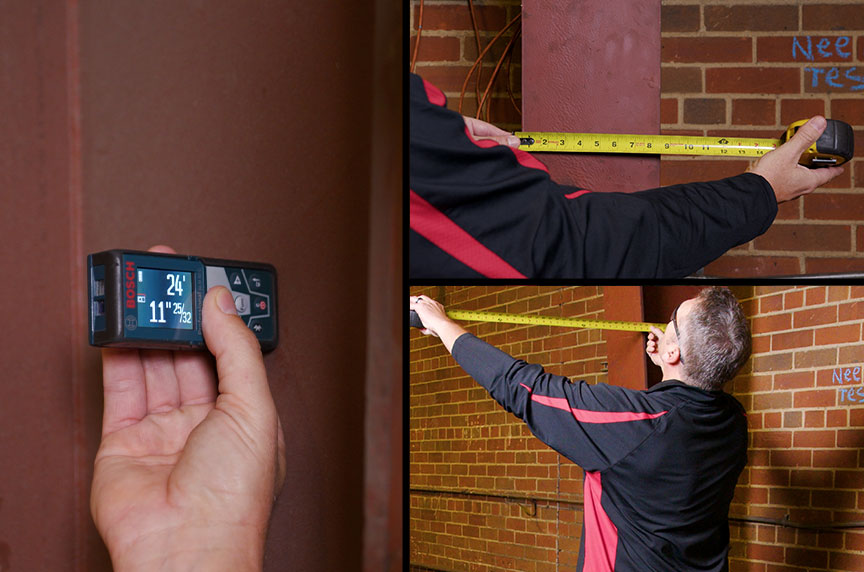
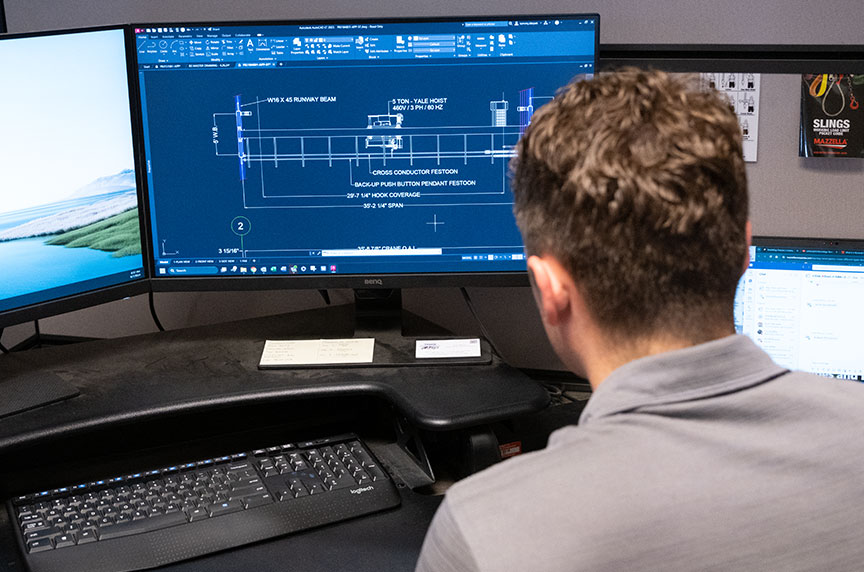
The approval process starts with meeting the Project Managers and they will gather dimensional and structural information at your facility. If it’s an existing building structure, the Project Managers will take measurements make sure the crane will fit. They will look for possible obstructions in your facility, like overhead lights, fans, water pipes, gas lines, and more.
Not only will they check the allotted space, but they will also confirm the equipment will meet your production, maintenance, and safety needs.
When visiting a site to gather measurements, it’s important that the engineers have full access to where the crane system will be installed. This could mean putting a break in production for a few hours and turning off the power to any existing cranes.
The approval process for a new building is different from adding to an existing facility. The Building Engineers and Project Managers will work with the architects or engineering company to get the new building blueprints. It is important to make sure the new building supplied is designed to support the crane loads.
From there, the engineers can revise the approval drawings. As mentioned in our previous article, there will be multiple designs to your system. Changes will be made based on how your facility is laid out. You can expect a one-to-two-week turnaround on revisions.
Depending on what crane manufacturer you select, there are varying degrees of cooperation during the approval process. While most manufacturers will simply provide an approval drawing to you and make you responsible for checking yhe dimensions, Mazzella has more of a hands-on approach.
The parties involved in the approval process on the customer side range depending on the crane’s need. Generally, it’s maintenance, production, or safety personnel. Sometimes it’s all three.
The customer’s main contact after they submit a PO or provide a contract for the crane system will be a Project Manager. But this doesn’t mean the Account Managers and Crane Specialists are not involved.
When working with the Project Manager, establish a preferred contact method (email, text, phone calls, video calls) and a cadence that you see fit.
What Goes Into the Engineering Phase of Ordering a Crane?
During the engineering phase, while you and your Project Manager stay in contact, it’s minimal compared to the approval process—mostly periodic schedule updates.
If anything changes during the engineering phase, they will reach out and let you know. If there are changes, they’re usually minor, and they will also provide an updated system drawing.
The engineering phase varies because the items can be off-the-shelf items, or they could be long lead items. If it’s a crane system with an off-the-shelf hoist, that could be a five to six week turnaround.
The sales team and the account managers will still be in the loop on how things are progressing leading to the fabrication phase.
What Happens During the Fabrication of a Crane?
After the engineering phase, we head to the fabrication phase. During the fabrication phase, Mazzella will receive the components and materials that were ordered for the crane.
From there, the fabrications shop will assemble the crane and test it in a controlled environment. In some cases, they can build a runway if necessary.
The time required for the fabrication phase depends on size of the system and the lead time of the components. At Mazzella, once we receive the components, the turnaround time for a standard crane is about two weeks.
But, if it’s a more complicated crane, it could be three to four weeks, or even longer. There typically aren’t additional costs that a customer might see. When there are additional costs to a project, it’s usually handled during the approval process.
During the fabrication process, you can send emails, phone calls, or texts to get updates on production and ship dates. If you want weekly updates, you can arrange that with your Project Manager.
While the crane is being fabricated, there’s usually correspondence between you and the Project Manager. Here, they will:
- Confirm that you will have power ready for the crane system when it gets shipped and installed
- Confirm obstructions identified during the approval process have been or will be removed prior to delivery of the crane
- Make sure the area is safe for the installation crew to work in
- Bring the crane and runway into the building and designate staging areas so the material is close to the installation site.
While your main contact remains the Project Manager, Account Managers and Crane Specialists remain in contact with the Project Manager with any relevant updates.
How Do Crane Companies Install Cranes?
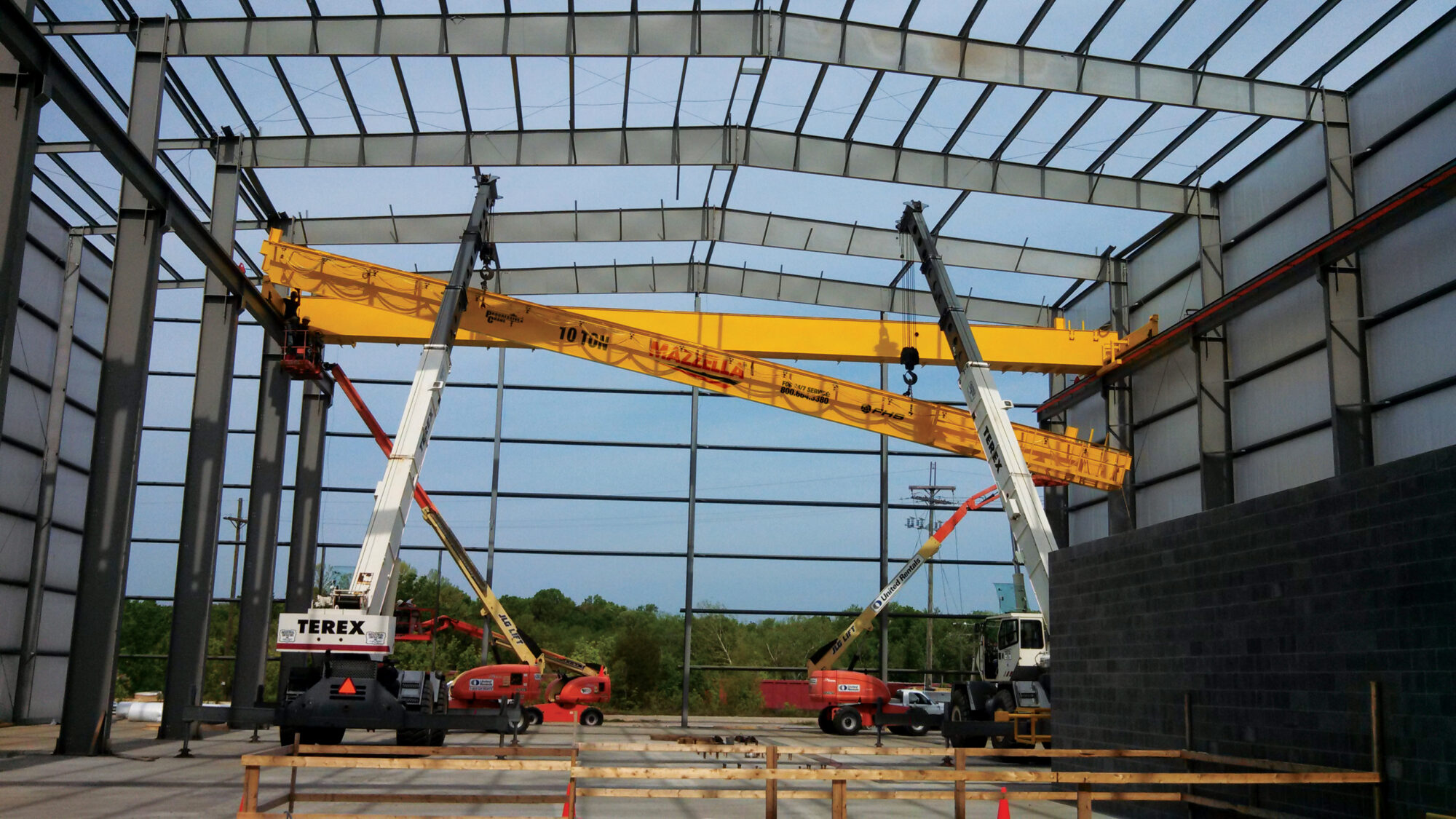
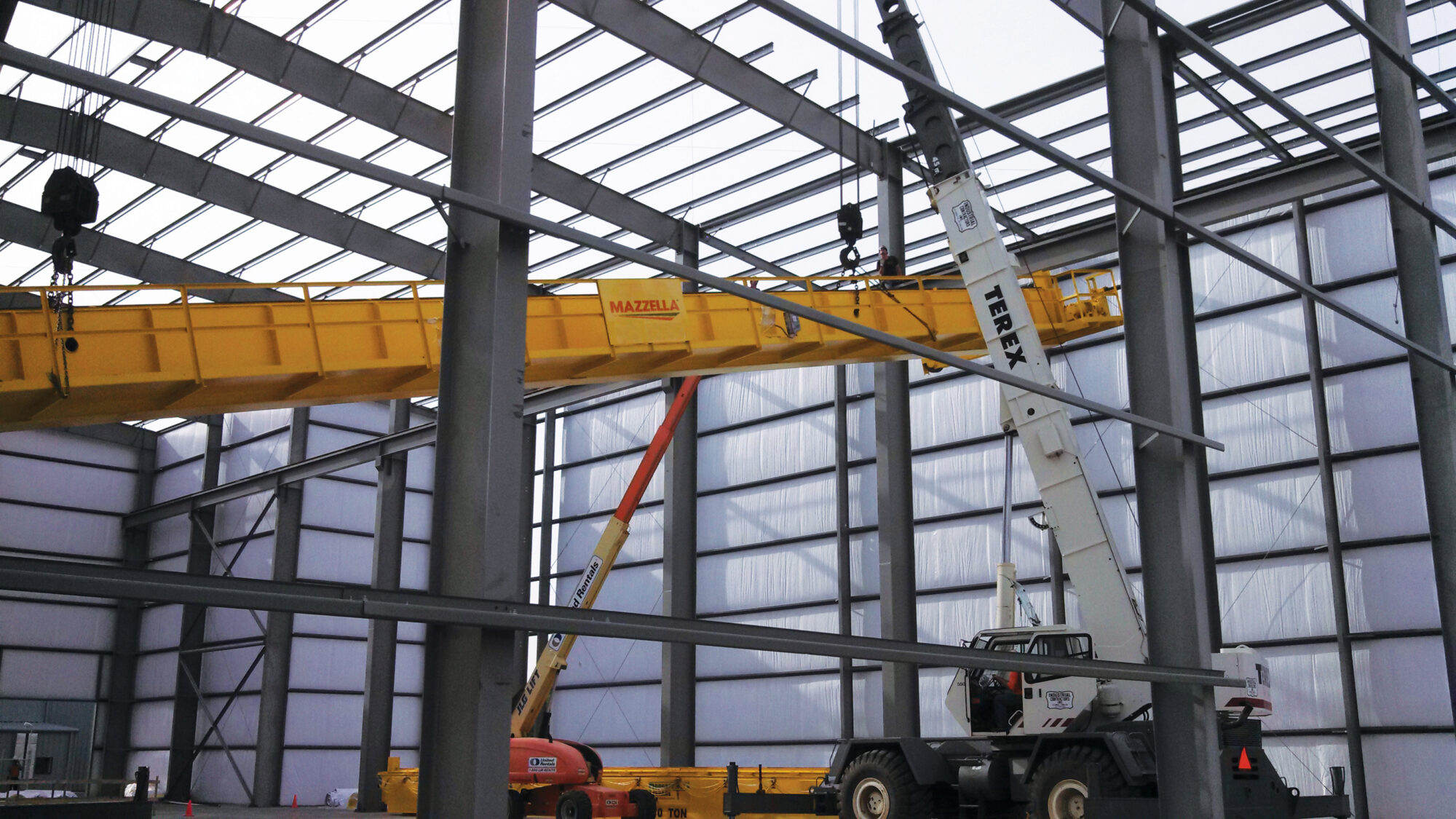
After the fabrication stage, we move on to the installation phase of the project. Prior to the installation, there’s going to be a site visit and conversation with the Project Manager, regarding what will be needed for the installation to go smoothly.
These conversations typically discuss potential access areas to the building and staging areas. For installation projects, you will not have a lot of responsibility regarding the logistics of the crane systems. Most crane manufacturers, including Mazzella, will arrange freight and schedule the crane’s arrival.
The installation crew will also be responsible for handling the new equipment. They’re used to rigging and lifting these pieces, so they can help prevent potential equipment damage.
Prior to the installation, the crane manufacturers will ask you to clear the area as much as possible to allow installers free access.
Mazzella handles most of the crane systems’ logistics—arranging the trucks and scheduling deliveries based on when our installation crews will be onsite.
If a customer would like us to ship a crane for them to stage on-site for any reason, we can arrange that, but the customer would likely be responsible for offloading the equipment. Typically, we try to schedule fabrications so they can be installed immediately after. This lowers the chance of equipment getting damaged and parts going missing.
Are There Any Additional Cost?
During the installation phase of the project, it’s possible to have some additional costs if unexpected delays occur. To avoid this scenario, have pre-installation meetings with your team to discuss and establish installation plans.
Is Load Testing Required for a Crane?
The load tests of the new crane systems are ultimately a requirement to be completed by the end user. Mazzella typically includes that as part of their scope in the original proposal. So just in case a customer might not realize that that’s a requirement of theirs, Mazzella offer that as a standard in our proposals.
If a load test is conducted, the load shall be not less than 100% nor more than 125% of the rated load of the crane.
There are several methods to install an overhead crane. Mazzella has in-house service technicians who are experts at installing cranes. But like other crane manufacturers, we will also use subcontractor companies that specialize in installing crane systems.
During the installation phase, your main point of contact is still the Project Manager. Once the startup and load test are complete, we provide a load test certificate and the Project Manager’s job is done. They will follow up with you to ensure the crane is performing as expected.
What Happens After You Install Your Crane?
To most, a crane is just a crane. However, each one operates differently and has unique features that a new operator needs to know.
Your Account Manager or Crane Specialist can walk you through the new crane and talk about safe rigging and operating practices. These discussions will ensure your operators are well informed about the new system.
Training for overhead crane operation is a requirement. However, certification is not required for overhead crane operations. If you need training for your crane operators, Mazzella can provide that.
After the crane’s installation, the account managers, crane specialists, and Project Managers are still available if you have any questions.
Is Warranty Provided?
Overhead cranes are typically provided with a standard one-year warranty. If you have issues with the system in that first year, you should reach out to your crane specialist or your account manager.
Typically, we will send out a crane technician to review the problem, and from there we can determine if it is a warranty issue.
Whether you have a new crane or an old crane, Mazzella has trained technicians that are qualified to work on your system. Any crane that you have requires at least an annual inspection. If it’s a highly used crane, you may want to look at semiannual or even monthly inspections.
What Should You Know Before Purchasing a Crane?
Hopefully, you better understand the process you may go through when purchasing an overhead crane.
If you are considering making that investment, we have a ton of information to help you become a more informed buyer. From our overhead crane buyers course to our overhead cranes e-book to numerous articles and videos, we have plenty of resources to keep you informed.
If you’d like to speak to an expert, contact one of our Crane Specialist to learn about our processes and offerings.

Copyright 2024. Mazzella.