
How to Inspect Shackles: ASME B30.26 Requirements and Best Practices
Are you looking for OSHA and ASME requirements for shackle inspection? Do you need to know how often and what…
Read Article
Rigging inspections are required by OSHA and ASME to be performed before use, on a periodic basis, and on a frequent basis according to language in OSHA 1910.184 and ASME B30 standards. Rigging inspections include the thorough evaluation of the condition of lifting slings, including wire rope slings, alloy chain slings, synthetic web slings, synthetic roundslings, high-performance roundslings, synthetic rope slings, and metal mesh slings. It also includes the inspection of rigging hardware including: sling hooks, shackles, eye bolts, manual hoists and chain falls, lever tools, and below-the-hook lifting devices.
Are you looking for OSHA and ASME requirements for shackle inspection? Do you need to know how often and what…
Read Article
Understanding how to properly care for your slings will help to extend the service life of the product, provide a…
Read Article
It's possible that if you have a below-the-hook lifting device manufactured prior to 2008, it may not be in compliance…
Read Article
This cross-reference guide will help you find the correct latch kit for Crosby, CM, Gunnebo, and Peerless lifting hooks. Download…
Download Resource
Do you know how often you should be inspecting your hooks, who should be performing those inspections, and most importantly—what…
Read Article
It can be frustrating and confusing to keep track of the ASME standards related to each specific piece of rigging…
Download Resource
You could argue that a sling identification tag is the most important component of a sling assembly. Without it, you…
Read Article
Learn How To Inspect Your Slings for OSHA & ASME Compliance! Do you know who's supposed to be inspecting your…
Download Resource
You could argue that a sling identification tag is the most important component of a sling assembly. Without it, you…
Read Article
Synthetic rope slings are preferred in certain lifting applications in the construction, shipyard, and offshore and deepwater industries. However, synthetic…
Read Article
Metal mesh slings are widely used in demanding environments like metalworking facilities and steel processing facilities where the loads may…
Read Article
In this article, our goal is to help you understand what is required for your web slings to meet ASME…
Read Article
It’s not a stretch to say that some companies are more proactive in training their employees and inspecting their rigging…
Read Article
If you’re not confident in your knowledge of the applicable OSHA and ASME standards, or just don’t have the resources…
Read Article
There’s no better feeling than knowing that your employees are equipped with the right tools they need to do the…
Read Article
In theory, this process seems like a highly-organized and bullet-proof way to make sure your lifting and rigging gear is…
Read Article
Understanding ASME standards will help to ensure the safety of the users, help extend the service life of the slings,…
Read Article
Did you know that OSHA, ASME, ANSI, WSTDA, AWRF and other professional organizations don't provide clear direction on what to…
Download Resource
Do you have that nagging feeling that your lifting and rigging program isn't in compliance with OSHA and ASME standards?
Download Resource
With so many different types of rigging gear out in the field, safety and production personnel have to stay laser-focused…
Read Article
Those that have been in the lifting and rigging industries for a while will remember that years ago, sling and…
Read Article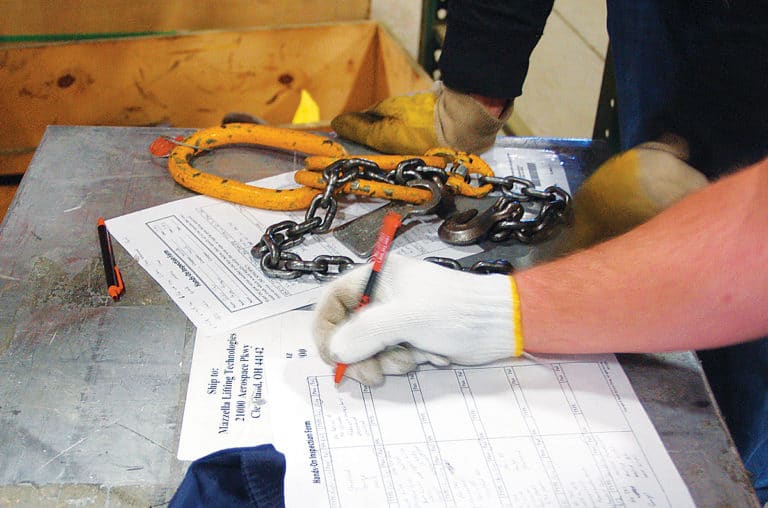
One of the most important aspects of selecting a rigging inspection company is to understand who is actually performing the…
Read Article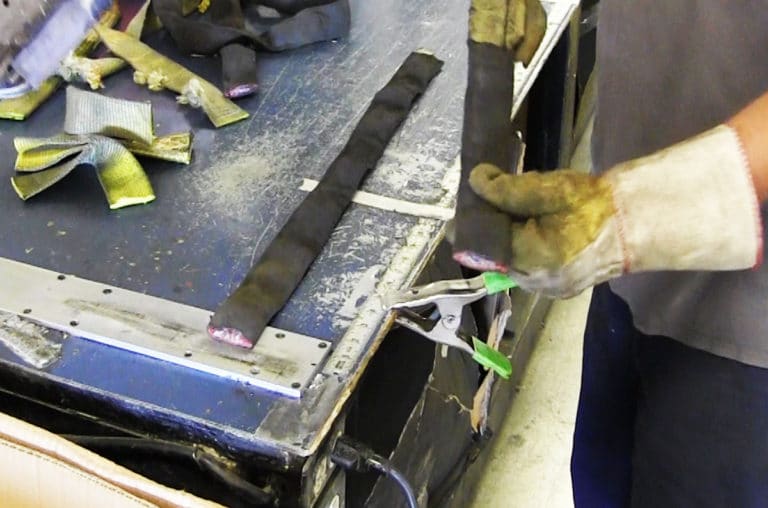
Because there are no standards or clear instructions developed by industry authorities like OSHA, ANSI, WSTDA, or AWRF, we have…
Read Article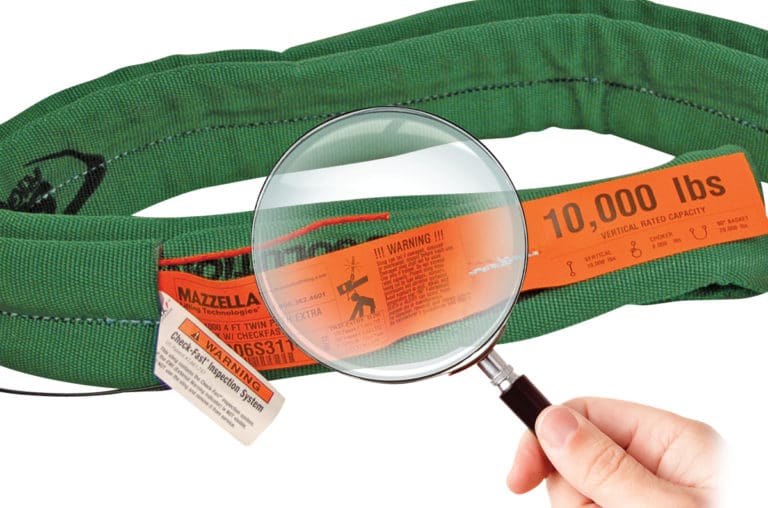
We often get questions from our customers about what to look for when inspecting a Twin-Path® synthetic roundsling. Customers also…
Read Article